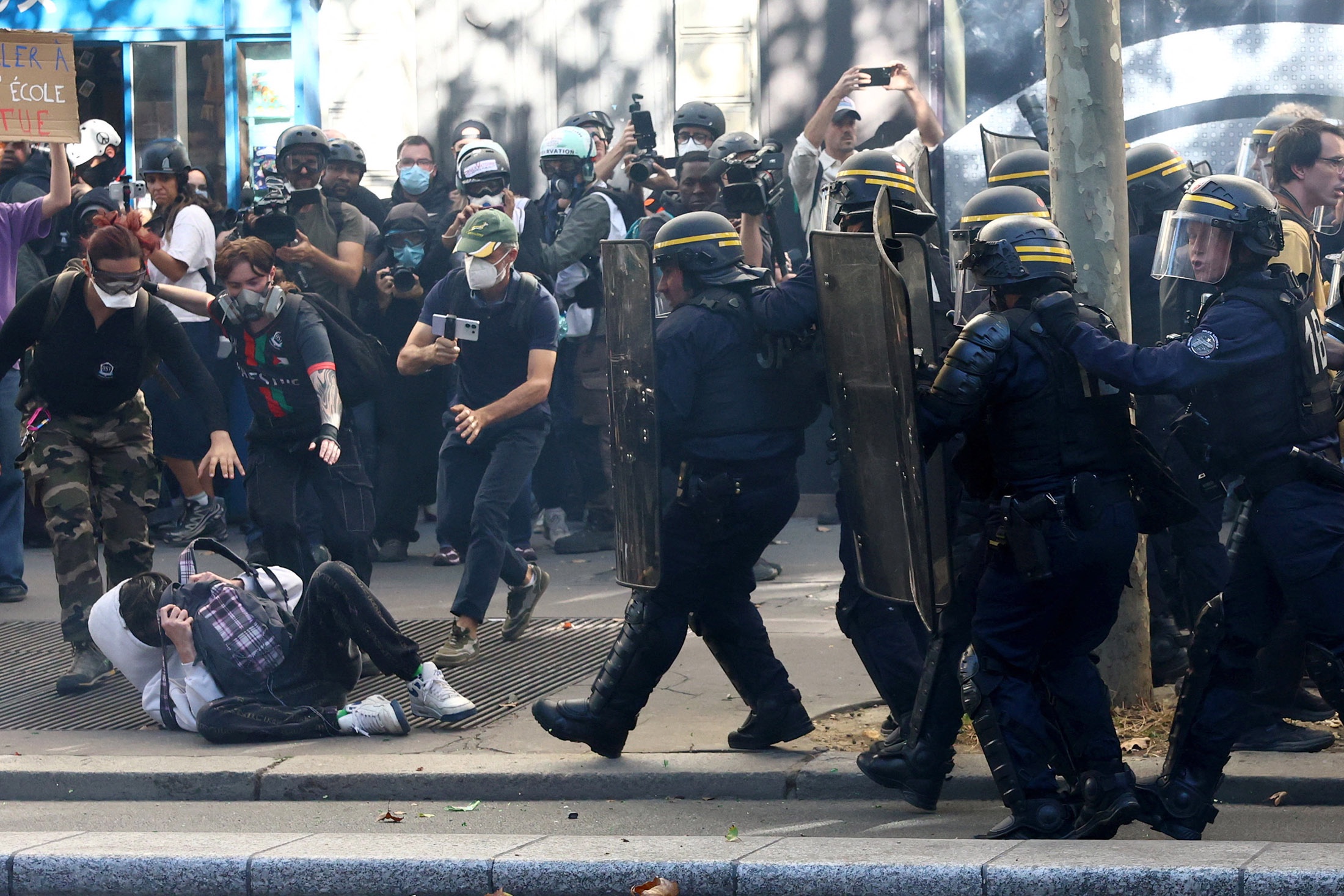
On the evening of October 17, 2026, violent incidents erupted in several French cities. Reports described clashes at the outskirts of urban areas, with looting targeting both private shops and public property. The disturbances were portrayed as uneven, concentrated in certain districts while other parts of the cities remained calm. The unrest prompted a swift reaction from the national leadership, setting off a chain of decisions that would shape the response over the following days.

By October 19, the French government had moved quickly to address the situation. Premier Sébastien Lecornu, who holds the position of premier of the state council, announced that local curfews would be imposed. He described the measures as partial and very locally limited, aiming to protect people and property, especially businesses, from further looting. In parallel, authorities increased police presence on the streets and introduced partial unemployment schemes for firms that had suffered damage from the violence. The stated goal of these steps was to restore order and guarantee the safety of citizens and commercial establishments.
On the same day, Lecornu gave a direct instruction to the prefects: he told them to enforce curfews for that evening that were "partial" and "very locally limited". The order came after a weekend of severe unrest that had exposed gaps in the security apparatus, particularly in dealing with left‑extremist demonstrators.
President Emmanuel Macron rejected the offer, choosing to keep Nuñez in his post.
Also on October 19, Interior Minister Laurent Nuñez offered his resignation in the wake of the unrest. President Emmanuel Macron rejected the offer, choosing to keep Nuñez in his post. The rejection signaled Macron’s confidence in his interior minister despite the criticism that had emerged regarding the forces’ effectiveness against the protesters.
Following the rejection, President Macron called for a review of the security forces’ tactics and overall effectiveness. The review was intended to assess why the forces had struggled to contain left‑extremist groups and to identify possible adjustments. In addition to the curfews and extra police, the government announced a package of measures on October 19 that combined the local restrictions, the heightened police deployment, and the partial unemployment aid for affected businesses.
The chronology notes specific local developments on October 19. In the town of Marsy, protests took place, adding to the nationwide picture of unrest. Meanwhile, the authorities implemented a curfew in the commune of Denain, illustrating how the national directive was being translated into concrete, localized actions. These examples show that while the curfews were described as partial and limited, they were nonetheless being applied in particular locations where the situation warranted immediate intervention.
The Yellow Vest movement, which had been active in the earlier protests, announced further demonstrations for the upcoming Saturday. Their statement was characterized as critical of the government’s response, indicating that they intended to continue pressing their demands despite the newly imposed curfews and security measures.
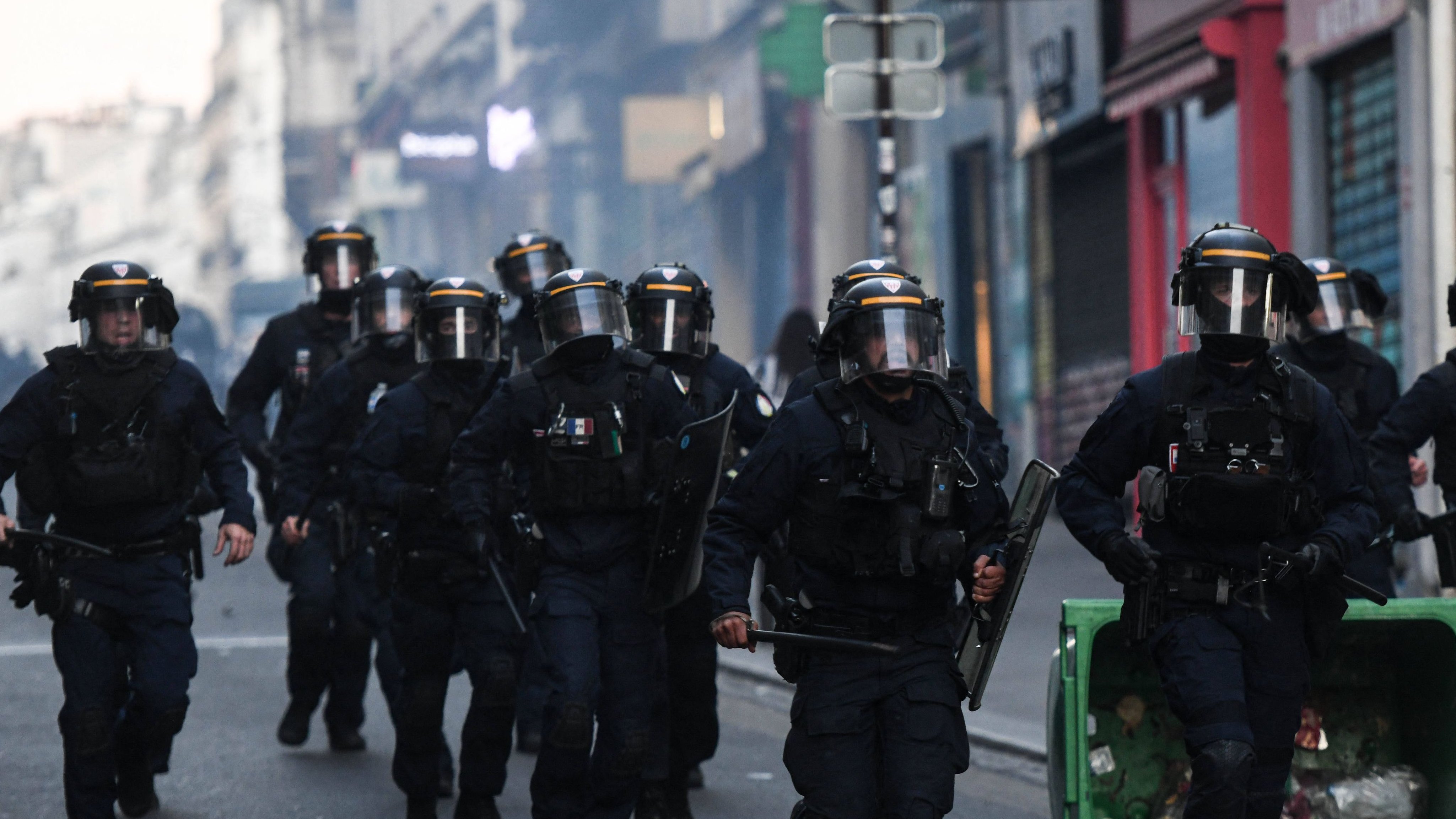
As of the announcements made on October 19, France is operating under a series of temporary, locally focused curfews designed to curb violence and looting. The government has bolstered police presence, offered economic relief to businesses hit by the unrest, and initiated a review of security tactics. The Yellow Vests have signaled their intention to protest again, while the interior minister remains in office after his resignation offer was declined. The situation remains fluid, with authorities seeking to balance immediate public safety concerns with longer‑term questions about how to manage demonstrative movements without resorting to broader emergency powers.