
On October 29, 2026, Intel Corporation, a titan in the semiconductor industry, faced a harsh reality as its shares plummeted approximately 21% in late trading. This dramatic decline came on the heels of a disappointing revenue forecast for the fourth quarter, which projected sales between $15 billion and $16 billion. This figure starkly contrasted with the average analyst estimate of $17 billion, with some projections even exceeding $18 billion. The news sent shockwaves through the market, reflecting the growing concerns about Intel's performance amidst a challenging economic landscape.
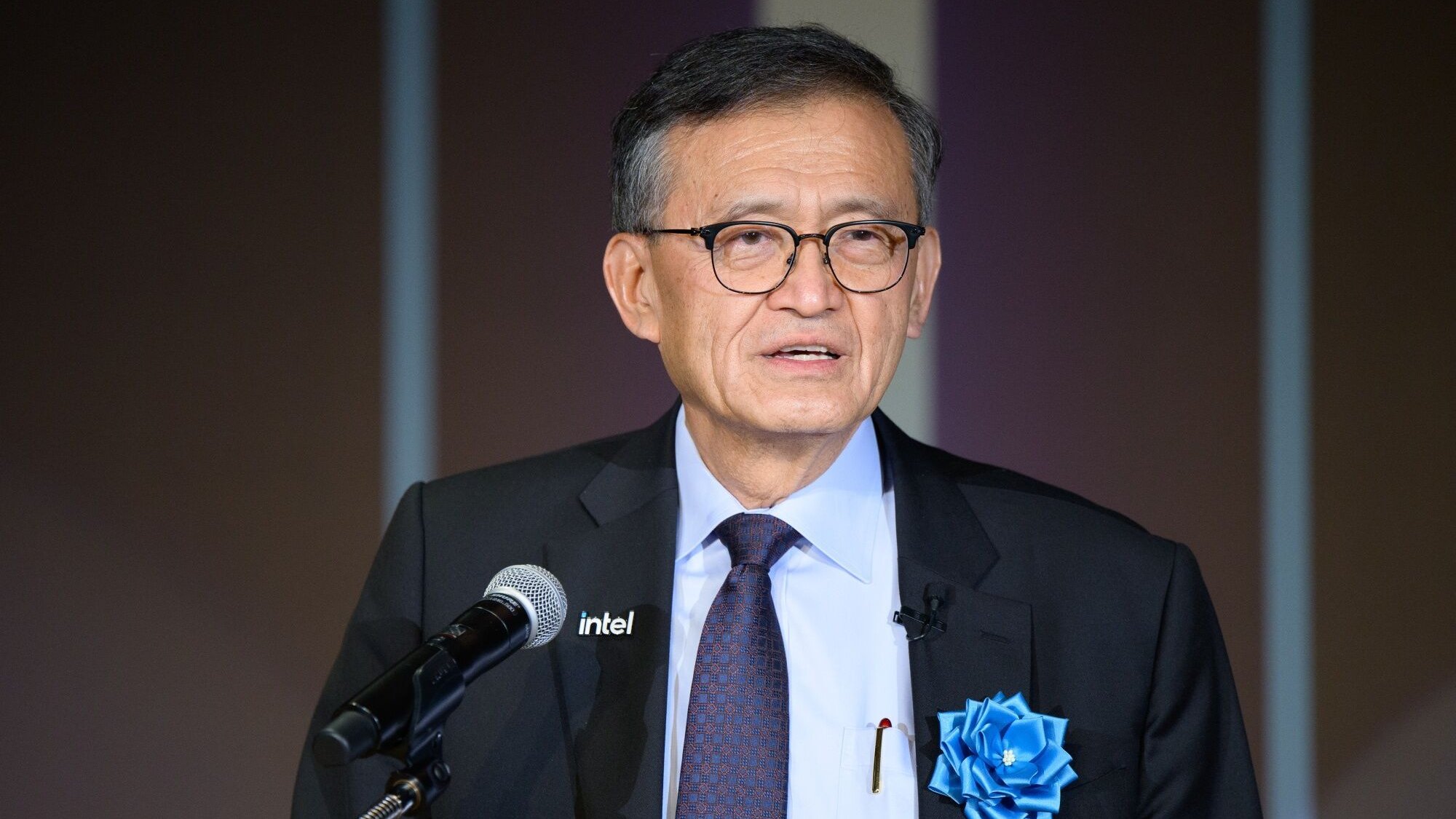
The specifics of Intel's forecast were sobering. Alongside the revenue projections, the company anticipated adjusted earnings per share of just 25 cents, significantly below Wall Street's expectation of 43 cents. Such a shortfall not only rattled investors but also highlighted the struggles Intel faces in a rapidly evolving market. The downturn was attributed to a severe slump in the personal computer (PC) market, where manufacturers are contending with memory semiconductor shortages and rising component prices. This combination has led to reduced PC shipments and weakened consumer demand, raising alarms about the sustainability of Intel's revenue streams.

Intel Stock Plunges 17% as Weak Q4 Outlook Weighs on Shares; Amazon Falls 5% After Earnings https://t.co/8rCJNPvCtd
Intel's challenges are compounded by significant supply chain disruptions. CEO Lip-Bu Tan pointed to raw material shortages and a temporary factory shutdown in Israel as critical factors limiting the company's ability to meet customer demand. This situation has constrained Intel's ability to meet customer demand, with Tan citing supply bottlenecks and a temporary factory shutdown in Israel as factors that have prevented the company from sufficiently fulfilling customer requirements. Tan's candid acknowledgment of the company's shortcomings in meeting customer requirements underscores the gravity of the situation.
This investment is aimed at expanding its production capacity and enhancing its contract manufacturing business.
The outlook for the PC market remains grim, with Intel projecting a 10% decline in shipments for 2027, following a 12% drop in 2026. This anticipated downturn is indicative of broader trends affecting the technology sector, where high memory prices have discouraged purchases. CFO David Zinsner noted that the company has been observing a weakening business environment for weeks, suggesting that these issues are not merely temporary setbacks but rather symptoms of a deeper malaise within the market.
Despite the bleak forecast for PCs, there is a silver lining for Intel: the burgeoning demand for artificial intelligence (AI) technologies. While the company grapples with challenges in its traditional markets, it remains optimistic about long-term growth in AI. This sector promises to drive demand for Intel's products, potentially offsetting losses in the PC segment. However, the company must navigate its current difficulties to capitalize on this opportunity effectively.
In response to these challenges, Intel has announced plans to invest $20 billion in factories and equipment over the coming year. This investment is aimed at expanding its production capacity and enhancing its contract manufacturing business. By attracting external chipmakers to utilize its manufacturing facilities, Intel hopes to bolster its revenue streams and regain its competitive edge in the semiconductor market. This strategic pivot reflects a recognition that the company must adapt to changing market dynamics to thrive.

Amazon burns cash, Intel flags weak PC demand as AI boom's costs ripple across markets - https://t.co/X8S4PqND5E
A recurring theme in Intel's narrative is the issue of memory pricing. Tan has emphasized that memory prices are a significant challenge for the company, predicting that this issue will become increasingly severe through 2027. As memory prices continue to rise, they not only impact Intel's profitability but also deter consumers from purchasing new PCs. This cycle creates a feedback loop that could further exacerbate the company's struggles in the short term.
Intel's current predicament is emblematic of the challenges facing the semiconductor industry as a whole. As demand for PCs wanes and supply chain issues persist, companies must find innovative solutions to remain viable. The situation serves as a reminder of the volatility inherent in the tech sector, where rapid changes in consumer behavior and market conditions can lead to swift and dramatic shifts in fortunes.
As Intel navigates these turbulent waters, the company's leadership must balance immediate concerns with long-term aspirations. The dual focus on addressing current supply chain disruptions while investing in future growth areas like AI will be critical in determining its trajectory. Investors and industry watchers alike will be keenly observing Intel's next moves, as the company seeks to regain its footing in a challenging landscape. The coming months will be pivotal in shaping not only Intel's future but also the broader semiconductor market's dynamics.