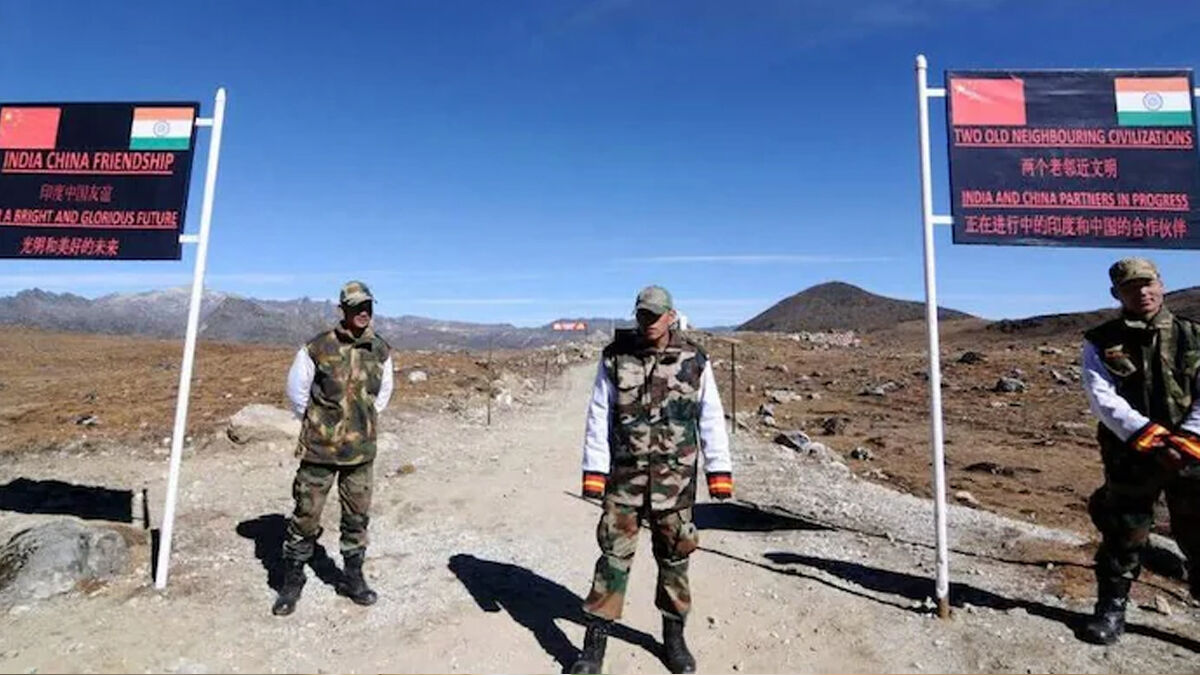
The mist‑shrouded hills of Arunachal Pradesh have long been a silent witness to the uneasy dance between two Asian giants. On the morning of October 23, 2026, that quiet was broken by a spate of border incidents that rippled across the rugged terrain. Indian and Chinese forces found themselves in a series of face‑offs, each side testing the other's resolve while the local populace watched from the valleys below.
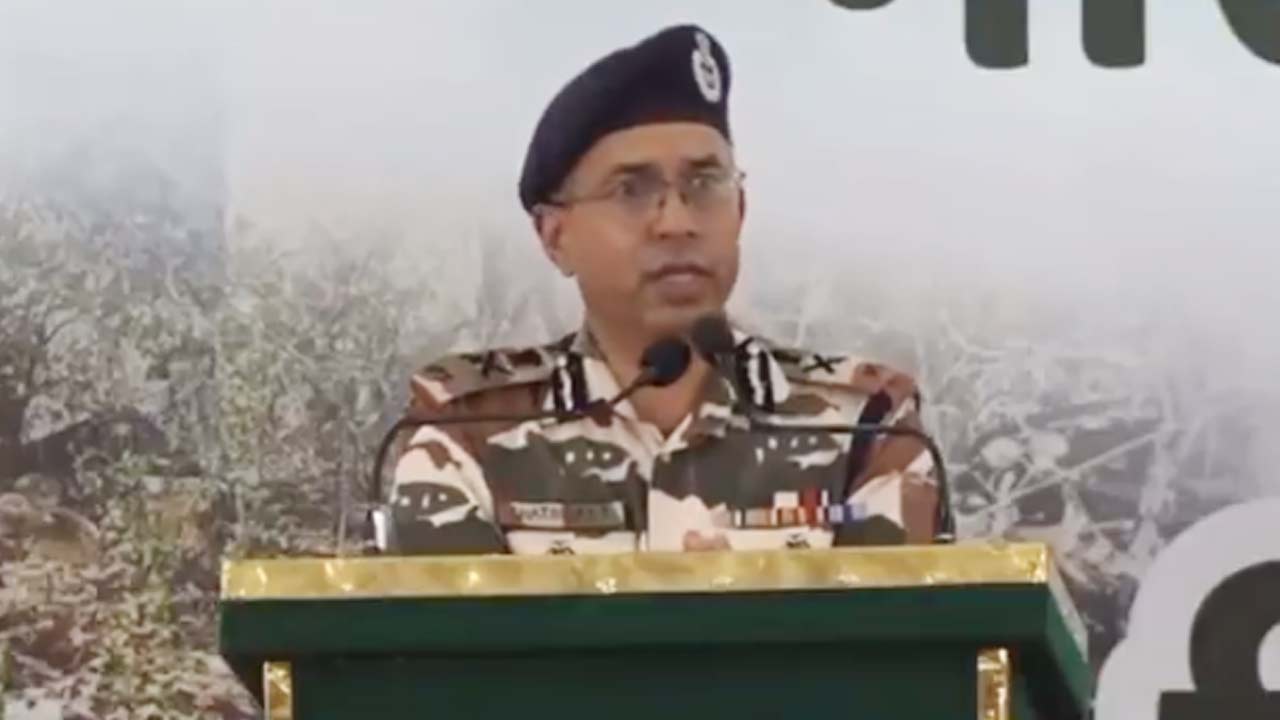
At the heart of India’s response is the Indo‑Tibetan Border Police (ITBP), the paramilitary force tasked with safeguarding the nation’s high‑altitude frontiers. Its chief, Shatrugjit Kapoor, addressed the media amid the escalating tension, offering a candid assessment of the situation. “Our newly raised Shaurya commandos played an exemplary role in this,” he said, underscoring the persistence of the confrontations and the need for a decisive posture.

China face-offs 'ongoing' along Arunachal Pradesh border, says ITBP Chief Shatrujeet Singh Kapoor https://t.co/cIojZSDQJ7
Kapoor’s remarks did more than catalog the incidents; they highlighted a strategic shift. The ITBP has recently raised a specialized unit known as the Shaurya Commandos. According to the chief, “Our newly raised Shaurya commandos played an exemplary role in this.” These commandos, trained for rapid response in high‑altitude environments, represent a modernizing thrust aimed at countering the fluid nature of incursions along the Line of Actual Control.
According to the chief, “Our newly raised Shaurya commandos played an exemplary role in this.
The call for “modern border guarding strategies” reflects a broader recognition that traditional static defenses are insufficient in a theater where terrain, weather, and technology intersect.

Confrontations with Chinese troops continue at multiple locations along the Arunachal Pradesh border, ITBP Director General Shatrujeet Kapur says.
Beyond the tactical considerations, the renewed incidents on October 23 have tangible effects on the people of Arunachal Pradesh. Villages perched along the border often find themselves caught between patrols, their daily routines disrupted by the presence of armed units. The ITBP’s heightened activity, while aimed at deterrence, also brings a sense of security to communities that have lived under the shadow of uncertainty for decades.
As the sun set over the Himalayan ridges, the face‑offs persisted, leaving both sides entrenched in a delicate balance of power. The ITBP’s public acknowledgment of the Shaurya Commandos’ role signals an intent to maintain a robust, responsive presence along the frontier. While the immediate future remains uncertain, the narrative of October 23, 2026, adds another chapter to the long‑running saga of India‑China border dynamics, underscoring the perpetual need for vigilance, innovation, and diplomatic engagement.

From Ladakh to Arunachal Pradesh - China has demonstrated effectively that it can cross over into perceived Indian territory beyond the Line of Actual Control (LAC) - kilometres within deemed Indian territories, which have never been claimed or occupied by China in past - and then sit tight over Indian territory. During Doklam, China took dominating position in perceived Bhutanese territory and commands advantageous dominance over ‘Chickens Neck’ in West Bengal. Over the past decade, China has given a damn about Indian voices, despite India whining & winching or offering loads of economic incentives to Chinese companies. Nothing India has done, over the past decade, has deterred China from occupying Indian territory and violating Bharat Mata. But the ‘Nationalist’ are so focused on designating opposition voices as - Pakistanis or antinationals or Urban naxal, Dimagi Naxal, Anarchists - that they have turned a blind eye to the actual & forceful occupation of Indian territories by foreign powers, like China. Since late July, India and China have been engaged in a stand-off at Asaphila near Taksing in Arunachal Pradesh. The Chinese People’s Liberation Army (PLA) have pitched their tents at an elevation, within 6 km to 7 km of India’s perception of the Line of Actual Control (LAC), near the Maja company operating base in Taksing circle of Upper Subansiri district, sources said. “Sometime in July, during routine patrolling, Indian and Chinese troops came face to face near Maja. After brief confrontation, both sides returned but the Chinese PLA came back in larger number few days later and pitched tents, around 6-7 kms within India’s perception of the LAC”. The situation has persisted even though Chinese President Xi Jinping attended the 18th BRICS Summit hosted by India from September 11 to 13, and the two nations have held three high-level border talks since July. And what have the “Nationalist” - Bharat Mata Ke Rakhwale - done, since July 2026 ? They are not defending Indian territory, but finds ways of perpetuating an endless rule over India, via legislation or election commission conducted SIR…. So much for the real Desh Bhakts….