When the first shallow graves were uncovered in the Shakahola forest in early 2023, the sight of more than 400 bodies stunned a nation already grappling with the specter of cult violence. The graves, scattered across an 800‑acre ranch, hinted at a systematic campaign of death that would later be traced to a self‑styled preacher and his followers. The forest, once a remote stretch of Kenya’s coastal region, became a grim map of a doctrine that rejected education, modern medicine, and, most chillingly, food itself.
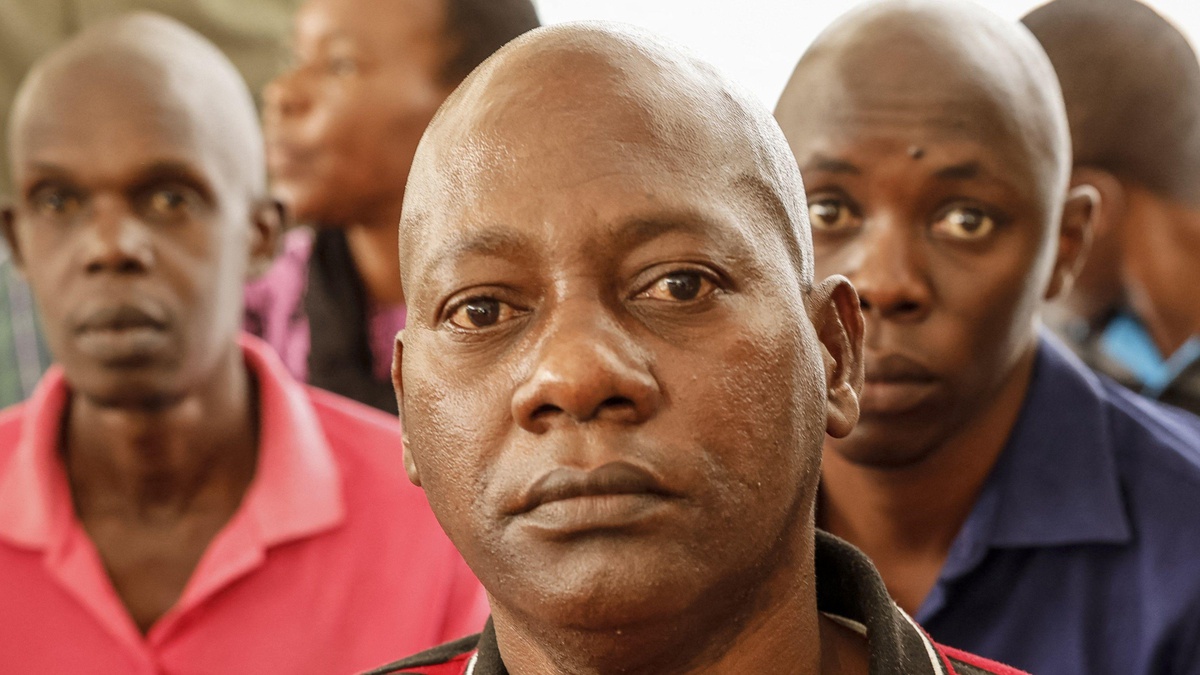
At the heart of the tragedy was Paul Mackenzie, the founder of the Good News International Church, later dubbed the Shakahola sect. Mackenzie preached that true believers must “meet Jesus” through extreme fasting, a belief that translated into a hierarchy of death on his ranch. Under his direction, children were isolated from their parents, denied nourishment, and forced to watch as their elders complied with the lethal orders. The sect’s teachings labeled schooling and medical care as evil, creating an environment where the most basic human needs were weaponized.

Kenya cult leader who told parents to starve children found guilty of 191 counts of murder https://t.co/zvWauJBINK
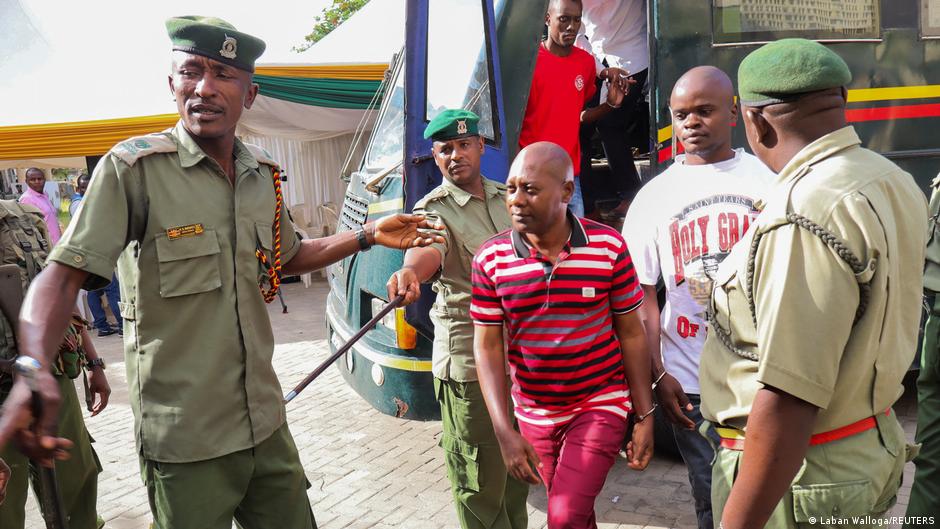
The Kenyan authorities moved decisively in April 2023, arresting Mackenzie and his inner circle on the very day the investigation uncovered the mass graves. Among those detained was Enos Amanya Ngala, Mackenzie’s former security chief, who later turned state’s witness in exchange for a deal. The arrests set in motion a painstaking forensic effort that would later confirm 191 deaths—190 children and one adult—directly linked to the cult’s fasting orders.
” The judgment found Mackenzie guilty of murder and convicted 28 co‑defendants, bringing the total of convicted leaders to 29.
The trial, held in Mombasa’s high court, unfolded over two years before reaching a climax on 19 October 2026. Justice Diana Kavedza‑Mochache presided with a measured neutrality, ultimately delivering a verdict that rejected the defense’s claim that the victims had voluntarily fasted to death. In her words, “I am satisfied that the prosecution has proved the case against all the 29 accused persons for the murder of 190 children and one adult.” The judgment found Mackenzie guilty of murder and convicted 28 co‑defendants, bringing the total of convicted leaders to 29.

Kenya cult leader who told parents to starve children found guilty of 191 counts of murder
Witnesses painted a harrowing picture of coercion and brutality. One survivor recalled being told, “She was told to go on a hunger strike until she died and follow her children's trail,” describing the forced starvation of a pregnant woman whose newborn died twelve days later. Another testified that resistance was met with violence: “Everyone who resisted the fasting order must be beaten with kicks and punches to be forced into heaven.” These accounts underscored the cult’s systematic use of physical abuse to enforce its lethal doctrine.
The convictions carry penalties that extend beyond murder. The defendants also face separate charges of terrorism, radicalisation, and the denial of education to children—offences that reflect the broader social harm inflicted by the sect. The sentencing for Mackenzie is slated for 6 November, a date that will determine the length of his imprisonment and signal the state’s resolve to punish the orchestrators of the massacre.
Francis Wanje, a vocal critic of the sect, hailed the judgment as a turning point: “This is a very, very important day. We are expecting a ruling that will be a lesson to the whole public, so that such kinds of things will not happen again.” His words capture a collective yearning for accountability and a warning that religious extremism will not be tolerated. Kenyan authorities, meanwhile, have pledged tighter regulation of religious organisations, aiming to prevent a repeat of the Shakahola horror.
Even as the court delivers its verdict, the physical work of excavation continues. On 19 October 2026, teams returned to the forest to exhume additional remains, a somber reminder that the full scale of loss may still be hidden beneath the canopy. The Shakahola case stands as a stark illustration of how charismatic authority, when coupled with extremist theology, can translate belief into mass murder. As Kenya grapples with the aftermath, the nation watches closely to see whether legal reforms and societal vigilance can finally close the chapter on one of the darkest episodes in its recent history.