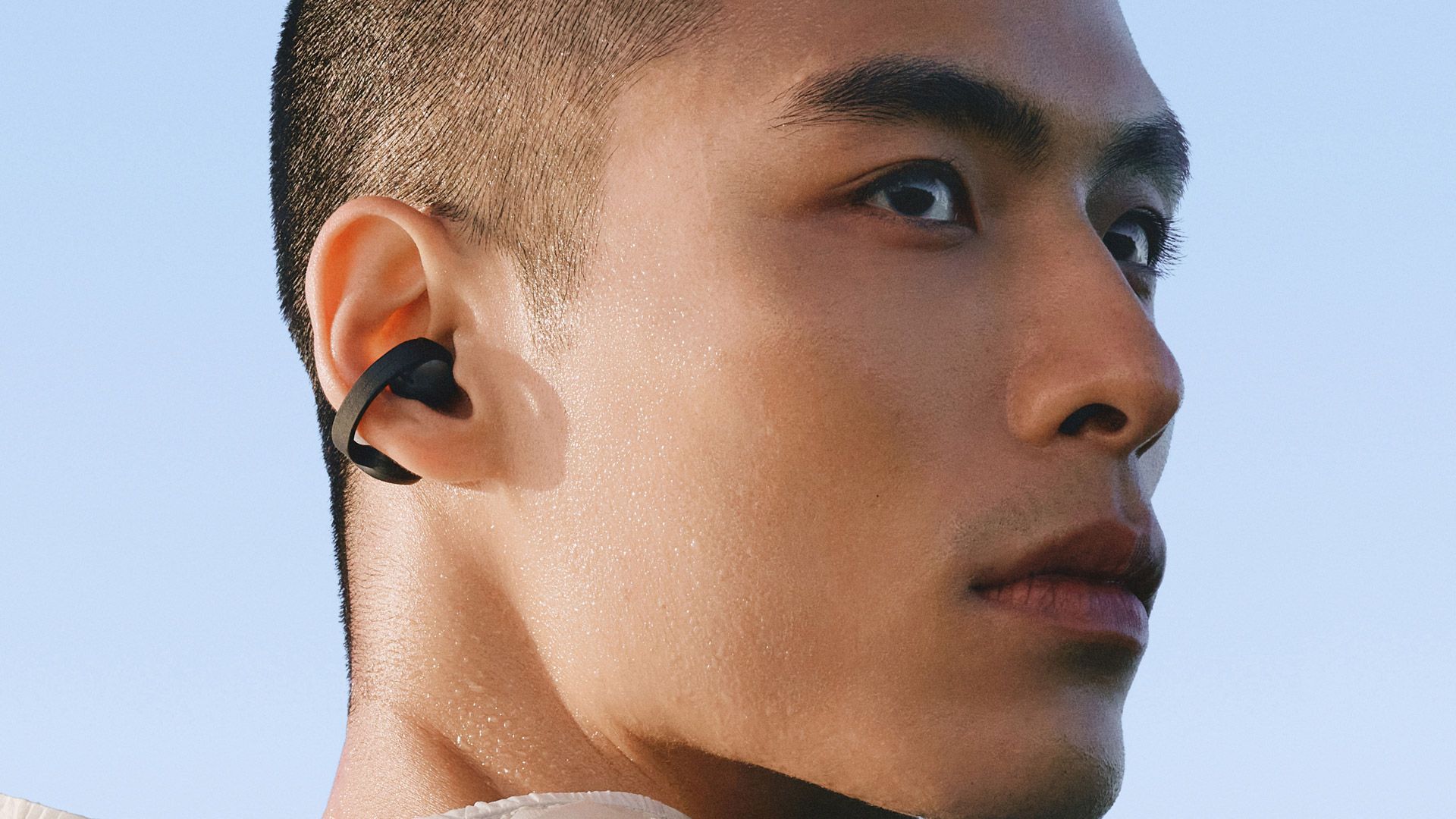
For years, wireless earbuds have promised immersion—sealing us off from the world with noise-canceling technology and deep bass. But what if the perfect audio experience doesn't require isolation? Samsung's new Galaxy Buds Open represents a fundamental shift in thinking, offering sound that enhances rather than replaces the environment around us. These aren't just another addition to Samsung's popular Galaxy Buds lineup; they're the company's first venture into open-ear technology, a category that challenges conventional wisdom about what makes earbuds effective.
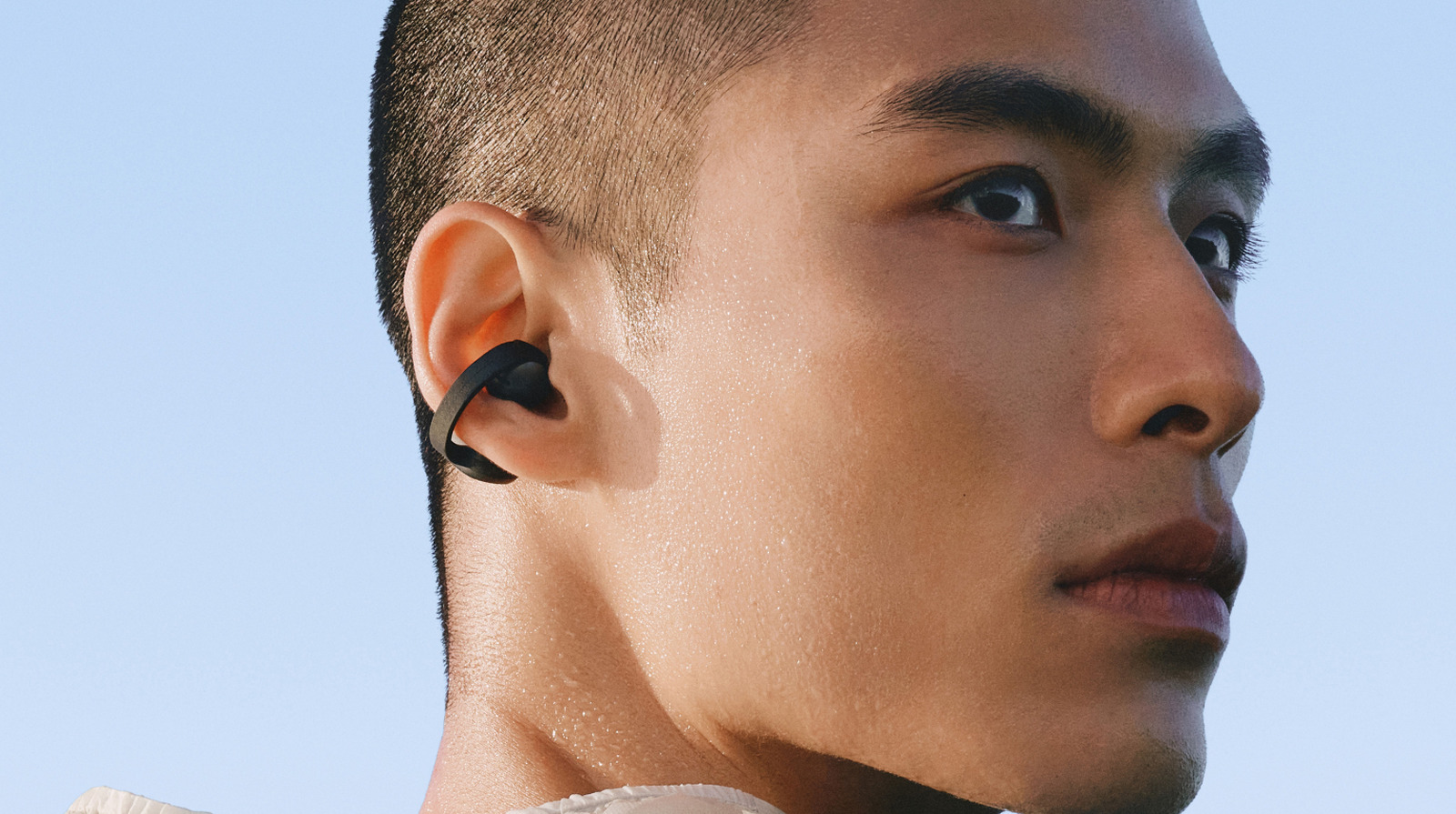
"Designing these buds is a complex challenge because of the unique anatomy of ears and the difficulty to find the perfect balance between a secure fit and a comfortable fit," explains a Samsung executive, highlighting the fundamental tension that defines open-ear design. Unlike traditional earbuds that nestle inside the ear canal, open-ear buds must sit just outside it, maintaining stability without creating pressure points. This delicate balance becomes even more complicated when considering the infinite variations in human ear shapes and sizes. Samsung's solution wasn't to guess at what might work, but to approach the problem with unprecedented scientific rigor.
Samsung's engineers didn't rely on intuition or focus groups alone. They embarked on an ambitious data collection and analysis project, examining 119 million ear data points to understand the nuanced relationship between ear shape, fit, and sound quality. This massive dataset allowed Samsung to develop an algorithm that could predict optimal positioning for the widest possible range of users. The result is a design that adapts to individual anatomy rather than requiring users to adapt to the product. This approach represents a significant departure from traditional earbud development, which often prioritizes aesthetic considerations over ergonomic precision.
Unlike the single drivers common in many earbuds, these twin components work in harmony to deliver balanced audio without the need for physical isolation.
At the heart of the Galaxy Buds Open is a dual-driver system designed specifically for open adaptive listening. Unlike the single drivers common in many earbuds, these twin components work in harmony to deliver balanced audio without the need for physical isolation. One driver typically handles higher frequencies while the other manages lower ones, creating a soundscape that remains clear even in noisy environments. This technology allows users to enjoy their music or podcasts while remaining aware of traffic conversations, or office announcements—a crucial consideration for safety and social awareness in our increasingly connected world.
Battery life has always been a concern for wireless audio devices, and open-ear designs often face additional challenges due to their power requirements. Samsung addresses this with an impressive 9.5 hours of battery life on a single charge, ensuring that users can enjoy the open listening experience throughout their day without constant recharging. This longevity positions the Galaxy Buds Open not just as a novelty, but as a practical everyday solution for those who refuse to choose between audio immersion and environmental awareness.
The Galaxy Buds Open may be Samsung's first foray into open-ear technology, but it likely won't be the last. As consumers increasingly seek devices that enhance rather than replace their surroundings, open-ear designs represent a logical evolution in personal audio. The success of these buds will depend on Samsung's ability to maintain the delicate balance between comfort, sound quality, and real-world connectivity—a balance that was achieved only through the meticulous analysis of 119 million data points and a fundamental rethinking of what earbuds can be. In an age of digital isolation, Samsung is offering a different vision: one where technology helps us stay connected to both our content and our world.

#Samsung #Galaxy Buds On: Europe Must Wait Until 2027 as US Launch Nears + Video -Fact Checker: ✅: 6 ❌: 1 || 6/7 → Score: 85% 🦾 -Prediction: 📈 3 Positive | 📉 3 Negative https://t.co/j6idkg0wPh