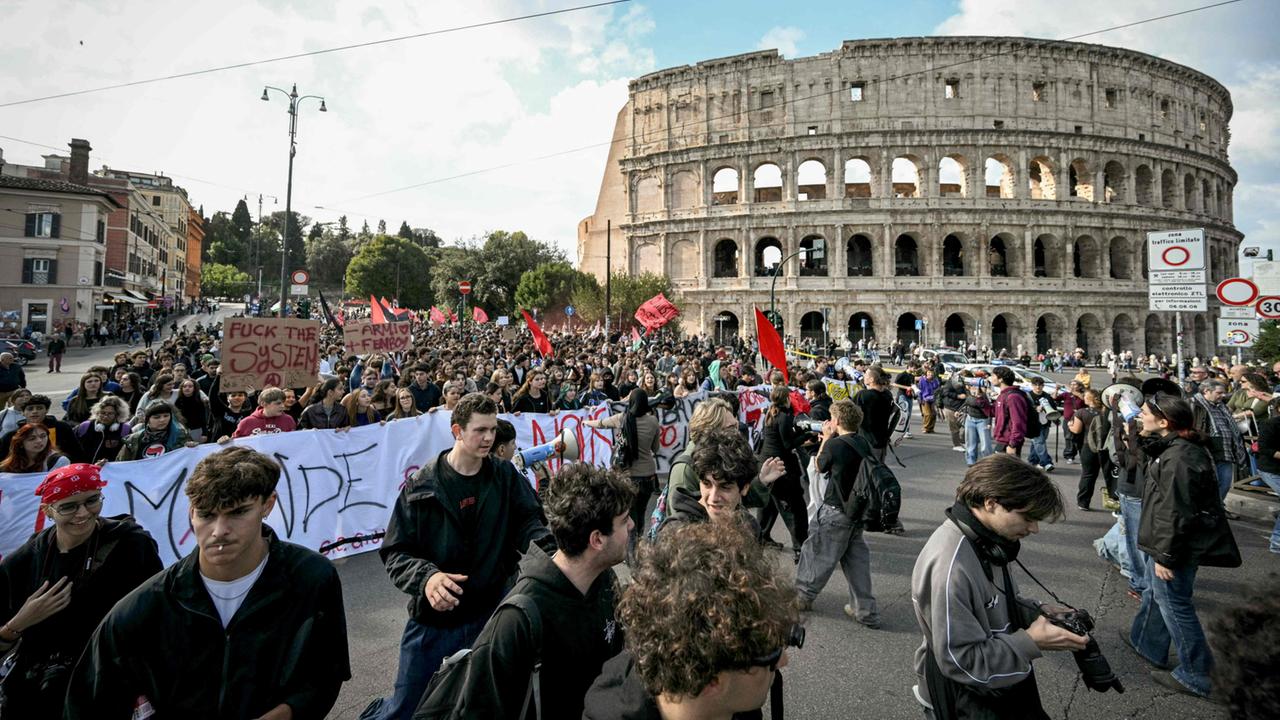
Marco, a university student in Rome, felt the pinch acutely. Like many young Italians, he was watching his future feel increasingly out of reach. The cost of everything – from groceries to rent – was climbing, and the prospect of affording tuition felt distant. He wasn’t alone. On October 30, 2026, a groundswell of frustration boiled over across Italy, with demonstrations erupting in over 50 cities, from the northern industrial hub of Milan to the southern port city of Naples. Over 100,000 people participated in protests, a broad coalition of workers, students, and citizens united by a shared sense of economic anxiety.

These weren’t spontaneous outbursts. The protests were the culmination of weeks of growing unrest, fueled by rising living costs, inflation, and what many saw as stagnant wages. A key organizer was the Italian Basic Workers' Union (USB), a trade union that called for a general strike, bringing transport and healthcare workers off the job and adding significant weight to the demonstrations. But the USB wasn’t acting in isolation; student groups also played a crucial role, mobilizing their members and amplifying the call for change.
The heart of the protests on October 30th was Rome. A large march began at the city’s central station, a symbolic starting point representing the flow of people and goods – and, for many, the feeling of being left behind. The marchers moved towards the city center, eventually converging near the Colosseum, a powerful symbol of Italy’s history and, in this context, a backdrop for demanding a different future. The sheer scale of the demonstration was notable, a visual representation of the widespread discontent brewing within the country.
What distinguished these protests was the diverse coalition of groups involved.
Beyond the immediate economic concerns, a central grievance was the government’s allocation of public resources. Protesters voiced strong opposition to what they perceived as excessive military spending, arguing that funds would be better directed towards social services, education, and improving the lives of ordinary Italians. This wasn’t simply a protest against austerity; it was a challenge to the priorities of Prime Minister Giorgia Meloni’s right-wing government.

🚨🇮🇹 MELONI BLASTS JUDGE FOR RELEASING MAN ACCUSED OF INCITING MILAN RIOTS Italian PM Giorgia Meloni called the decision to release Youssef Siher — accused of managing the “October 17 Movement” Telegram channel linked to violent protests in Milan — “shameful.” “This is an unbearable humiliation of the work of law enforcement.” Meloni added: “I really don’t know how a normal state can defend decent people in the face of these decisions by certain magistrates.”
The concerns of students were particularly prominent. Beatrice Chilelli articulated the pressures faced by young people: “They can't afford to pay exorbitant tuition fees, and rent… which weighs heavily on their parents' shoulders.” This sentiment resonated widely, as students demanded increased education budgets and improved student housing conditions. The protests weren't just about immediate financial relief; they were about securing a viable future for the next generation.
This focus on education also highlighted a broader critique of the government’s long-term vision. Protesters argued that investing in education was not merely a social good, but an economic necessity, crucial for fostering innovation and growth. The demand for a shift in public spending – away from military expenditures and towards social programs – became a central rallying cry.
The discontent wasn’t confined to Italy’s borders. In the weeks leading up to the October 30th protests, port workers in various countries had also staged strikes. These actions weren’t directly coordinated with the Italian demonstrations, but they shared a common thread: opposition to the military trade and the increasing militarization of port infrastructure. This suggested a wider European – and perhaps global – trend of resistance to what protesters saw as a growing emphasis on military priorities at the expense of social welfare.
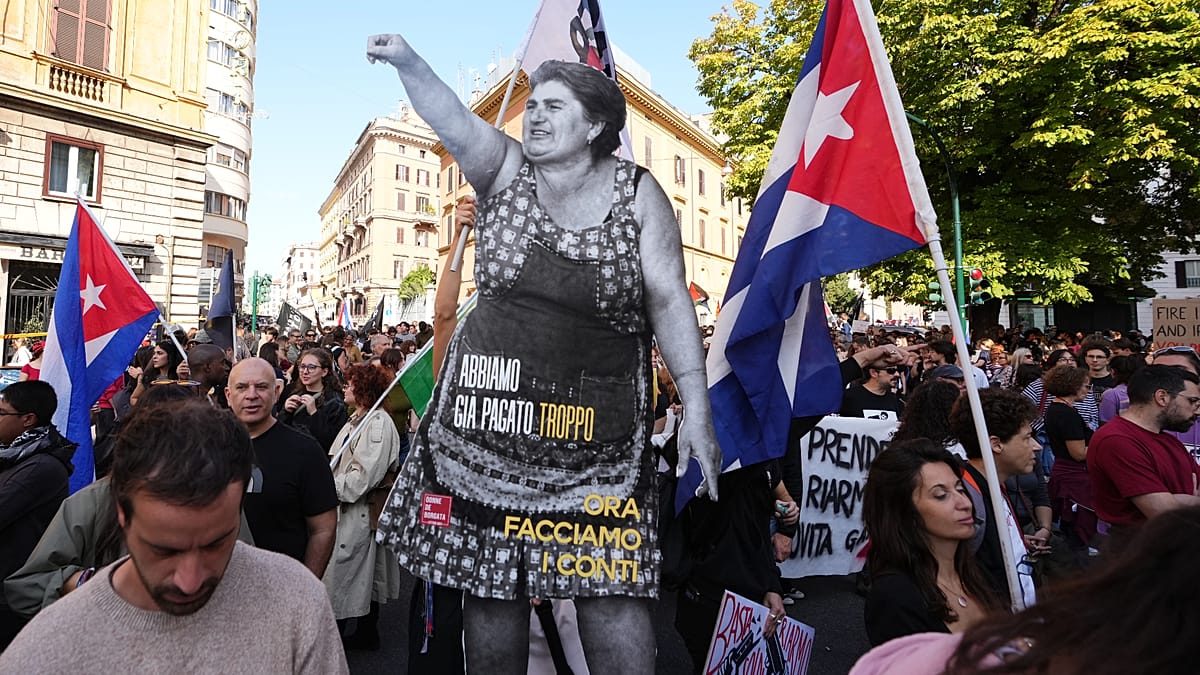

Tens of thousands of people are getting ready to take to the streets of Rome, Milan and other Italian cities as part of nationwide demonstrations against the cost of living and high military spending. https://t.co/1OB73h9O2x
What distinguished these protests was the diverse coalition of groups involved. Alongside students and transport workers, farmers and truck drivers joined the demonstrations, each bringing their own specific grievances to the table. Farmers expressed concerns about rising fuel prices and the impact on their livelihoods, while truck drivers protested against the cost of operating their businesses. This broad participation underscored the widespread nature of the economic anxieties gripping the country.
The USB trade union played a pivotal role in bringing these disparate groups together, providing a platform for their voices to be heard. The union’s call for a general strike effectively shut down key sectors of the Italian economy, amplifying the impact of the protests and putting pressure on the government.
Given the potential for unrest, authorities maintained a heavy police presence throughout the country. While most protests remained peaceful, the visible security measures reflected the government’s concern about maintaining order. The focus was on preventing violence and ensuring that the demonstrations didn’t escalate into clashes with law enforcement. The government, led by Prime Minister Giorgia Meloni, did not publicly comment on the protests.

Recent protests in northern Italy draw inspiration from France but also reflect grievances over poverty wages and an out-of-touch government. Prime Minister Giorgia Meloni’s only answer is to demonize the protests, ignoring the discontent behind them. https://t.co/8XL0OfyteN
As of late 2026, the protests have subsided, but the underlying issues remain unresolved. The economic pressures that fueled the demonstrations – rising living costs, inflation, and low wages – continue to weigh on Italians. The government’s commitment to military spending remains a point of contention, and the demand for increased investment in social services persists. The October 30th protests served as a powerful reminder of the deep-seated discontent within Italian society and the challenges facing Prime Minister Meloni’s government as it navigates a complex economic and political landscape. The future will likely see continued pressure from unions and student groups to address these concerns and prioritize the needs of ordinary Italians.