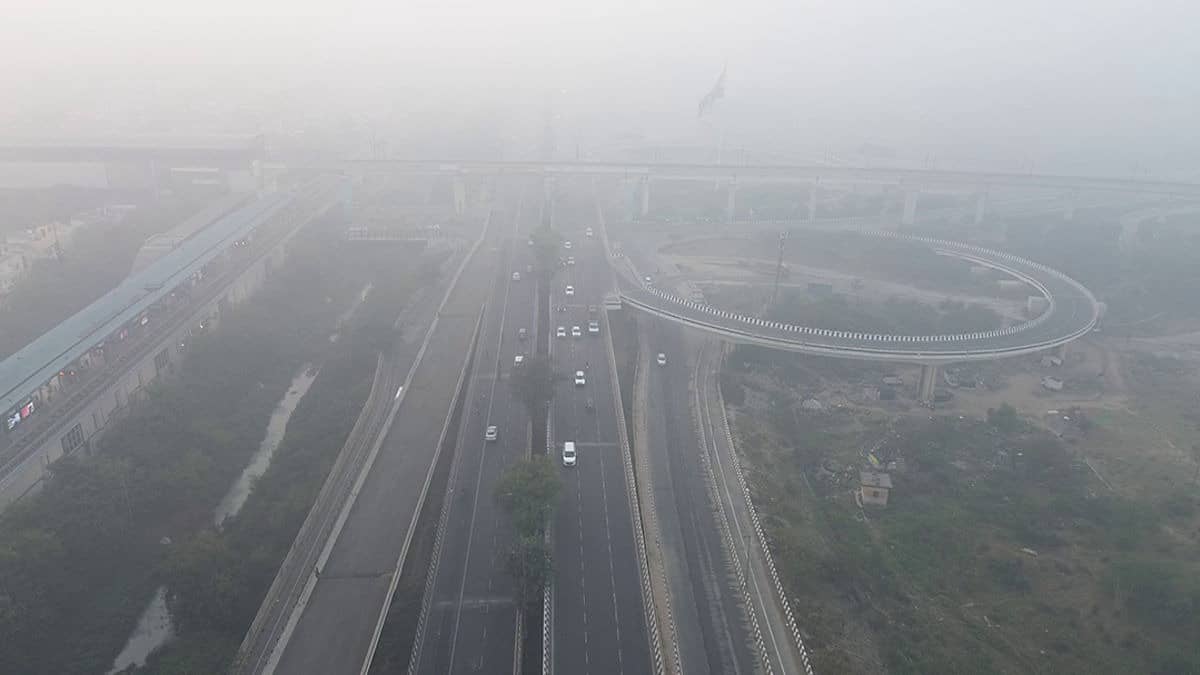
For the residents of Delhi-NCR, October 2026 has brought a familiar and unwelcome double threat. The air they breathe has grown dangerously unhealthy, while the river that flows through the heart of the city has once again been transformed into a toxic spectacle. This dual environmental crisis presents a stark challenge for authorities, who find themselves implementing emergency measures even as they celebrate massive infrastructure investments.

On October 21, 2026, the Commission for Air Quality Management made a concerning decision, activating Stage 1 of the Graded Response Action Plan (GRAP). This move came as the Air Quality Index (AQI) climbed to 168, a level classified as 'unhealthy' for sensitive groups. The GRAP measures represent the first step in a series of escalating actions designed to curb pollution when it reaches certain thresholds. For Delhi-NCR residents, this means more than just numbers on a chart—it means potential health risks, particularly for children, the elderly, and those with respiratory conditions.

🚨 The infamous white form is back in the Yamuna river. 🙏🏼 https://t.co/FkbH86VY1N
Simultaneously, a different environmental nightmare has resurfaced in the Yamuna River. Despite years of government promises and billions of rupees in investment, the river has once again been covered in thick, toxic white foam. This recurring phenomenon, though visually striking, signals severe pollution in the water, posing risks to both aquatic life and human health.
On October 22, 2026, officials inaugurated and laid foundation stones for 43 Delhi Jal Board projects worth approximately ₹9,000 crore.
In an attempt to address the river's plight, Delhi's government has announced significant new investments. On October 22, 2026, officials inaugurated and laid foundation stones for 43 Delhi Jal Board projects worth approximately ₹9,000 crore. These projects represent the latest in a series of efforts to improve water and sewage infrastructure in the city. The scale of investment underscores both the magnitude of the problem and the government's commitment to solving it.

#WATCH | Delhi: Toxic foam seen floating on the surface of the Yamuna River in Kalindi Kunj this morning https://t.co/hx941OW8h5
The environmental challenges have also brought political tensions to the surface. During a meeting of the Municipal Corporation of Delhi, the conduct of AAP councillors drew sharp criticism from Delhi Mayor Pravesh Wahi. While the exact nature of the disagreement remains unspecified, it highlights the political complexities that often accompany environmental governance in the Indian capital.
Delhi Chief Minister Rekha Gupta has been vocal about the government's commitment to cleaning the Yamuna. "Today is a joyful day for the people of Delhi, as projects worth around ₹9,000 crores have been inaugurated today," she stated. "We can say that the way the government has started work for the rejuvenation of the River Yamuna, in one and a half years of tenure, we have continuously moved forward strongly in that direction." This statement reflects both the government's achievements and the long road ahead.

WATCH | Delhi: Toxic foam seen floating on the surface of the Yamuna River in Kalindi Kunj this morning https://t.co/cSxSZH60w2
As Delhi-NCR navigates these intertwined environmental crises, the situation serves as a reminder of the complex challenges facing megacities in the developing world. The activation of GRAP measures represents a reactive approach to air pollution, while the Yamuna's condition despite massive investments points to the difficulty of addressing deeply entrenched environmental problems. For now, the city's residents continue to breathe polluted air and witness a river that remains sick despite billions in supposed cures.
