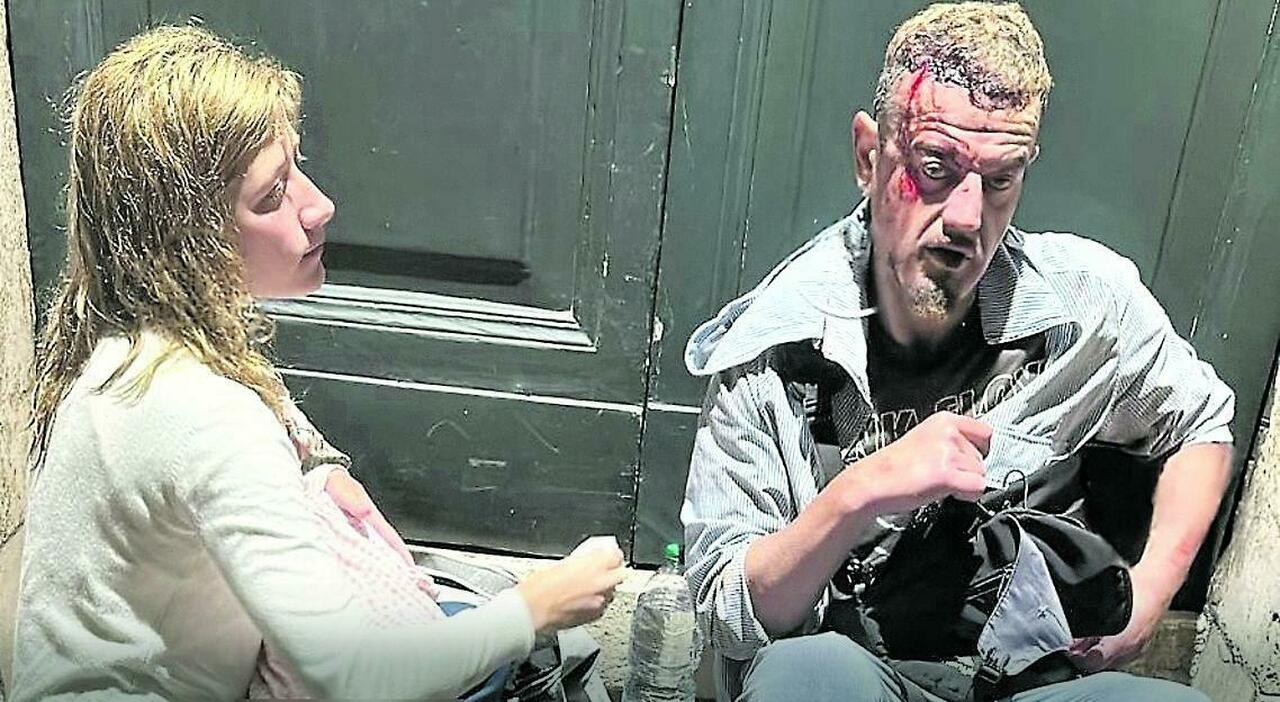
In the early summer of 2025, the Villa Pamphili park in Rome—a sprawling expanse of greenery that serves as a sanctuary for the city's residents—became the site of a profound and sudden violence. On June 1, 2025, the tranquility of the park was broken by a crime that would haunt the local community and eventually lead to one of the most significant criminal proceedings in recent memory. It was here that Anastasia Trofimova and her 11-month-old daughter, Andromeda, lost their lives, leaving behind a void that no legal verdict could truly fill.
The details emerging from the investigation painted a harrowing picture of the violence that occurred within the park's boundaries. Anastasia Trofimova and her infant daughter were not merely victims of a random act of violence; the nature of their deaths suggested a targeted and intimate brutality. The loss of Andromeda, an infant of only 11 months, added a layer of profound tragedy to the event, transforming a domestic horror into a public outcry for justice.
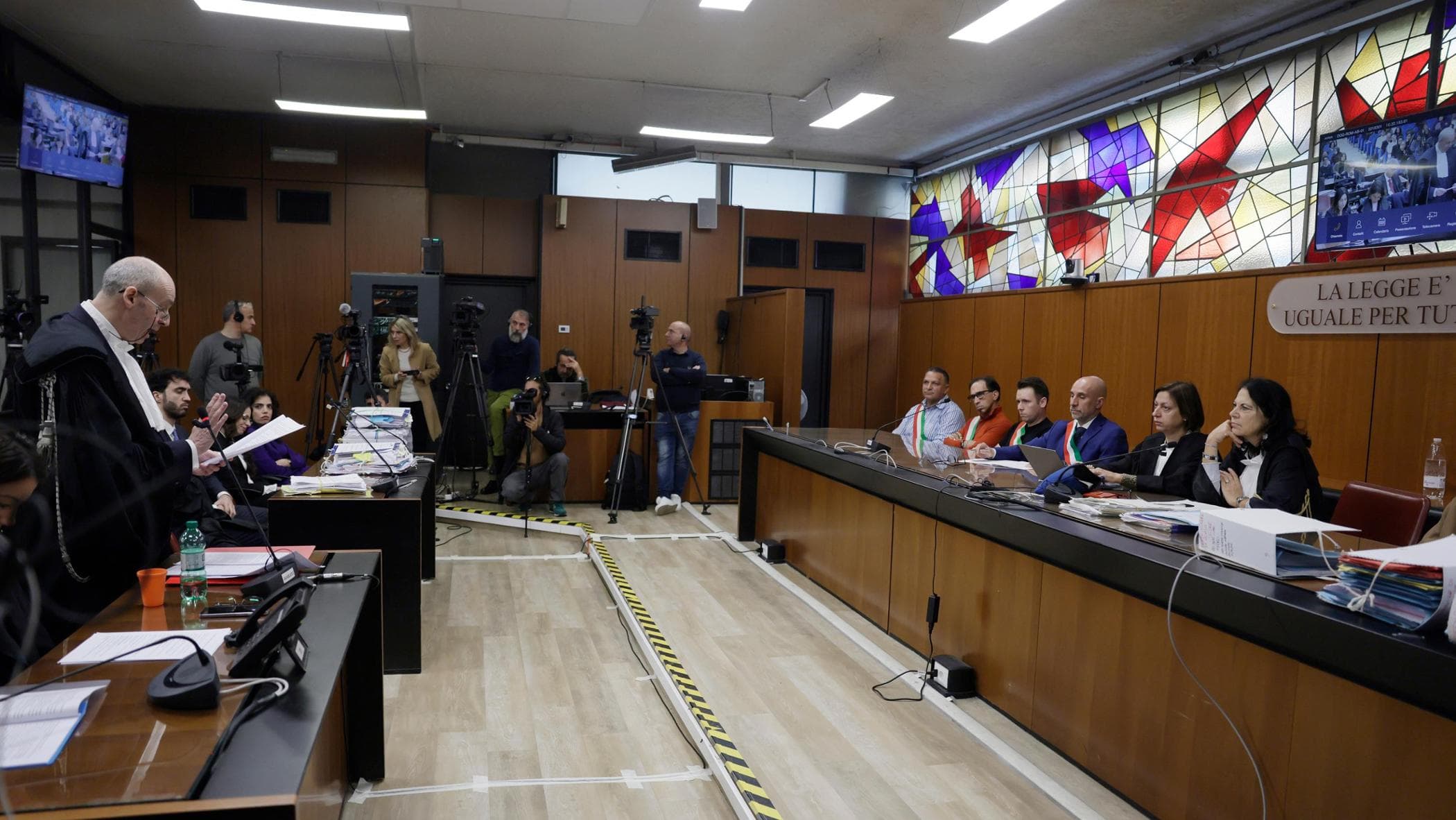
For over a year, the legal system worked to untangle the events of that June day, leading to a decisive moment in the First Assize Court of Rome. On November 5, 2026, the court delivered its judgment on the responsibility of Francis Kaufmann. The court found Kaufmann guilty of the double murder of his partner and their child. The sentence handed down was the most severe available under the law: life imprisonment.
This sentence reflects the court's attempt to address both the permanence of the crime and the need for strict disciplinary control over the perpetrator.
However, the court did not stop at the term of incarceration. Recognizing the gravity of the loss, the judges also imposed three years of daytime isolation, a measure designed to restrict the movement and social contact of the convict during specific hours. This sentence reflects the court's attempt to address both the permanence of the crime and the need for strict disciplinary control over the perpetrator.
While a life sentence addresses the criminal culpability of the act, the legal system also seeks to address the tangible impact on those left behind. In its ruling, the court ordered a provisional compensation to be paid to the relatives of the victims. The amount set was 100,000 euros per victim. For the families of Anastasia Trofimova and Andromeda, this financial order represents a formal, albeit symbolic, recognition of the immense suffering and the irreparable loss caused by Kaufmann's actions.
Despite the finality of the life sentence, the legal chapter of this tragedy is not yet closed. Following the announcement of the verdict, the defense has signaled its intent to challenge the court's decision. The move to file an appeal suggests that the legal battle will continue in higher courts, as the defense seeks to contest the findings and the severity of the sentence imposed by the First Assize Court.
As the proceedings move toward the appellate stage, the shadow of Villa Pamphili remains. The case has moved from a sudden, violent disruption in a public park to a complex legal struggle over life, death, and accountability. For now, the sentence stands as a stark testament to the events of June 2025, leaving the city to grapple with the memory of a family lost and the ongoing pursuit of a definitive legal resolution.