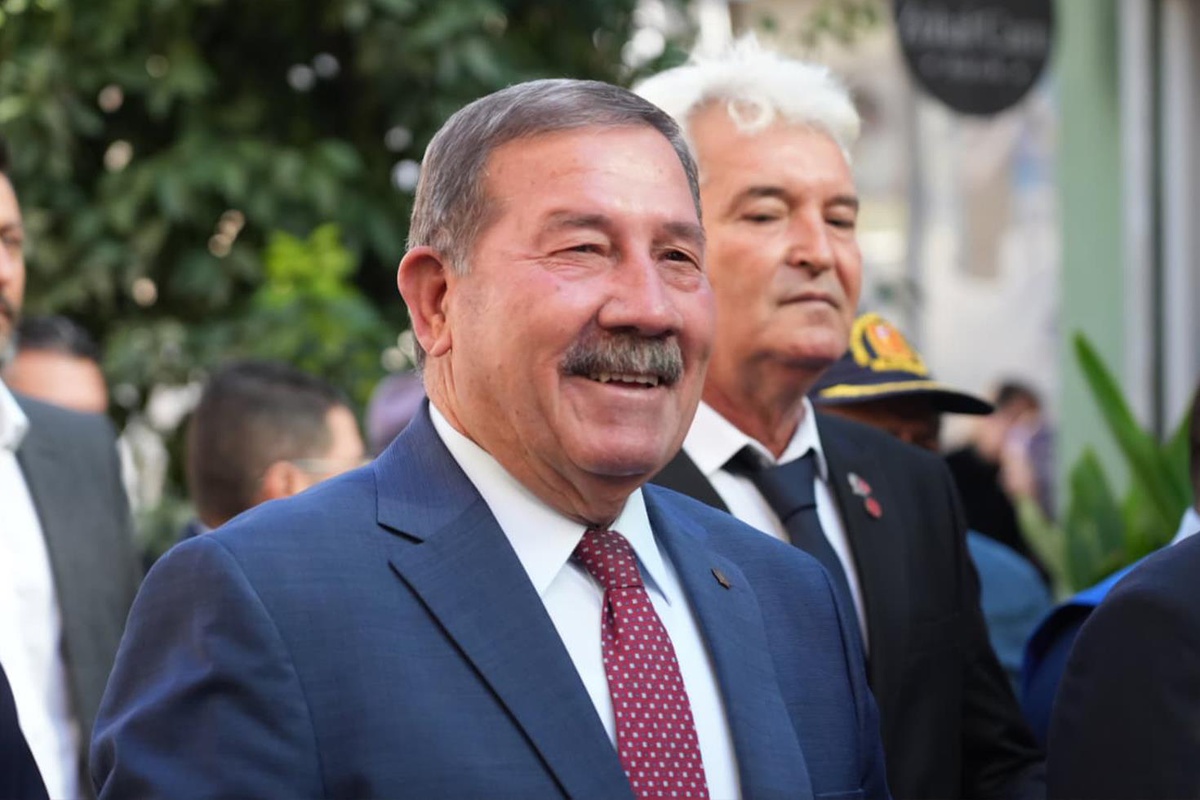
The morning began like any other for the citizens of Milas, a district on Turkey’s western coast. The streets were waking up, the markets were opening, and the municipal offices were buzzing with their usual hum of bureaucratic routine. But within the span of a few days, the normalcy of that political landscape shattered. Fevzi Topuz, the Mayor of Milas, found himself at the center of a legal maelstrom that would not only strip him of his immediate power but also cast a long shadow over the local government. It was a dramatic turn of events, a sudden rupture that forced the entire town to reckon with the implications of the charges pressed against its elected leader.
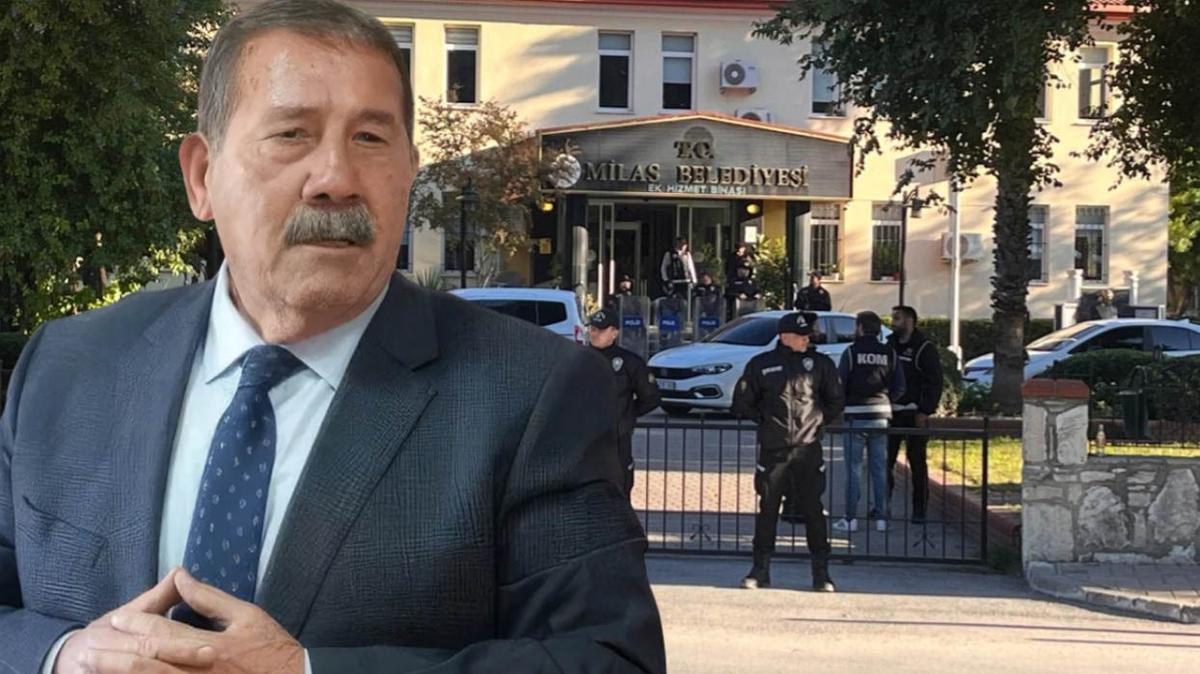
The story begins not with the suspension, but with the initial arrest. On October 23, 2026, the Chief Public Prosecutor of Muğla moved swiftly. Topuz was detained on a series of heavy charges that would likely have made any local politician’s blood run cold. The allegations were specific: the formation of an organization to commit a crime, the forgery of official documents, and the acceptance of bribes. These are not minor infractions; they are the legal backbone of an alleged corruption network. Under the law, being charged with these offenses can trigger a suspension of public duties to prevent the accused from using their position to impede the investigation or exert influence over the very agencies conducting it. Topuz’s detention marked the first step in a process that would soon isolate him from the heart of municipal governance.
For a moment, there was a legal reprieve. Following his initial detention, Topuz was released on bail. In the Turkish judicial system, being on bail means you are technically free but still under the thumb of the court. The Muğla Peace and Criminal Court took up the case, and the investigation continued in the background. For a local figure like Topuz, this period is a precarious one. He is no longer the invincible mayor who signs orders; he is a suspect, under the watchful eye of the judiciary. The town watched, waiting to see if this was a passing storm or the opening salvo of a full-scale political takedown.
It is a mechanism designed to protect the state’s integrity, but critics often argue it can be used to override democratic local mandates.
But the legal pendulum swung again, this time toward a more definitive removal. The suspension of his mayoral duties, which finally materialized on October 26, 2026, was not a local decision made by town council peers. It was a higher-level intervention. The decision to remove Topuz from duty was made under the specific, rigid framework of Article 127 of the Constitution and Article 47 of the Municipality Law. In the legal lexicon of Turkey, Article 127 of the Constitution is a powerful tool. It essentially allows the state to step into a local election and appoint a new manager if the head of a municipality is suspected of certain serious crimes. It is a mechanism designed to protect the state’s integrity, but critics often argue it can be used to override democratic local mandates.
The second source of the timeline adds a slightly different, and somewhat contradictory, texture to the events. It suggests that the cabinet, or the Council of Ministers, played a role in the decision, citing a process that led to Topuz’s suspension. This points to the fact that in cases of this magnitude, the line between the judiciary and the executive branch can blur. The mention of the 'Council of Ministers' deciding to remove him from duty under the constitution and municipal law implies a collective, high-level political judgment was woven into the legal framework. It is a reminder that a local mayor’s fate is ultimately decided not just by local courts, but by the broader machinery of the state.
As we move to October 26, 2026, the official decree stands. Fevzi Topuz is no longer performing his duties as the Mayor of Milas. This suspension is temporary. It is a 'provisional measure' under the law, meaning it is not a final verdict. He is not yet in prison for a set term, nor has a jury convicted him of the charges. Instead, he is out of office, and the town is in a state of legal limbo. The Minister of Interior has officially framed this as a necessary step in the investigation into a suspected network of organized crime and corruption.
What does this mean for the people of Milas? The immediate reality is a power vacuum at the top of the municipal government. The day-to-day operations of the town are now under the watch of appointed officials, bypassing the democratic will that had chosen Topuz. The charges against him—forgery, bribery, organized crime—suggest a level of dysfunction that goes far beyond simple mismanagement. For the town, this is a moment of uncertainty. Will the investigation prove the allegations, leading to a permanent end to his political career? Or will the suspension be overturned, returning him to the mayoral office?
As of this moment, the status quo is one of suspension. Fevzi Topuz is on bail, the Muğla courts are investigating, and the machinery of the state has pulled the plug on his mayoral duties. The story is not over. The legal battle is just beginning, and the outcome will define not just the future of Fevzi Topuz, but the trust the citizens of Milas can place in their local institutions.