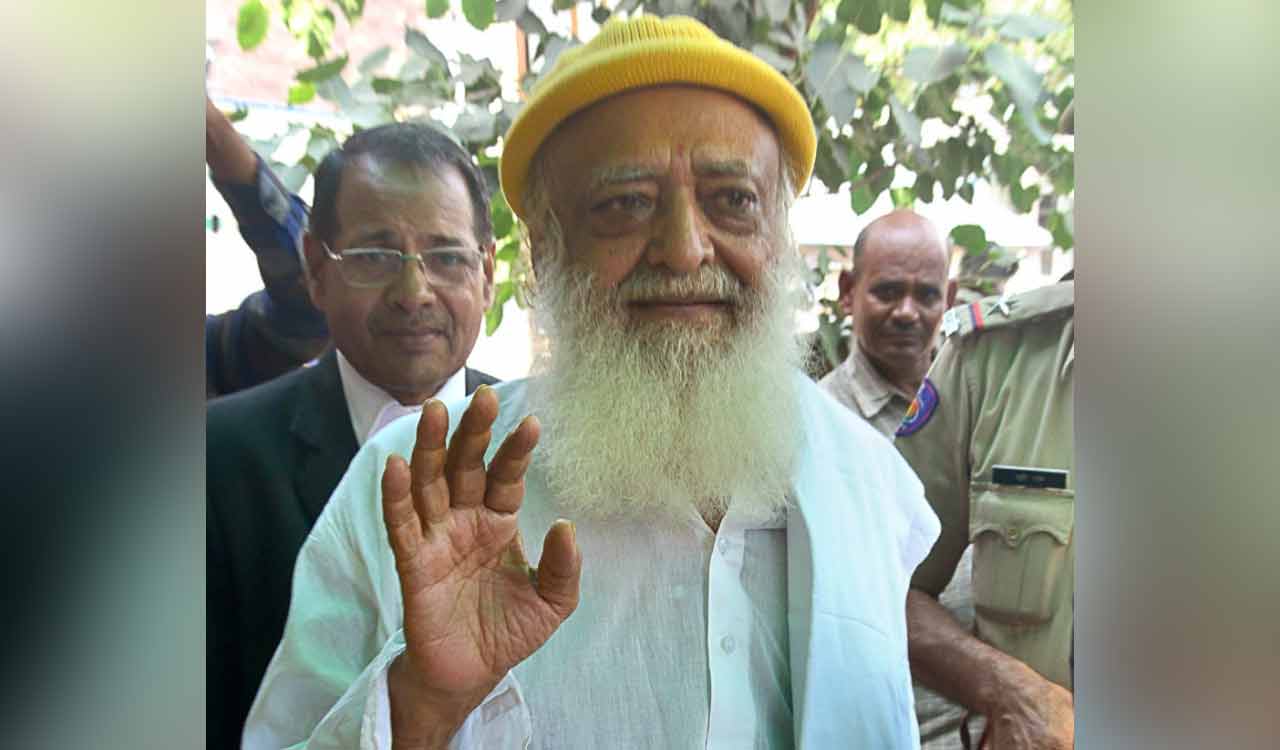
For those observing the legal saga of Asaram, the self-styled godman currently serving a life sentence for a rape conviction, the boundaries of his confinement have long been a point of intense scrutiny. His status as a prisoner, however, is not static. Like many inmates, he has been subject to the mechanisms of the justice system that allow for temporary releases under specific conditions—most notably, medical parole. Yet, the privilege of stepping outside the walls of Jodhpur’s Central Jail carries with it a rigid, non-negotiable obligation: the requirement to return precisely when the court-mandated period concludes.
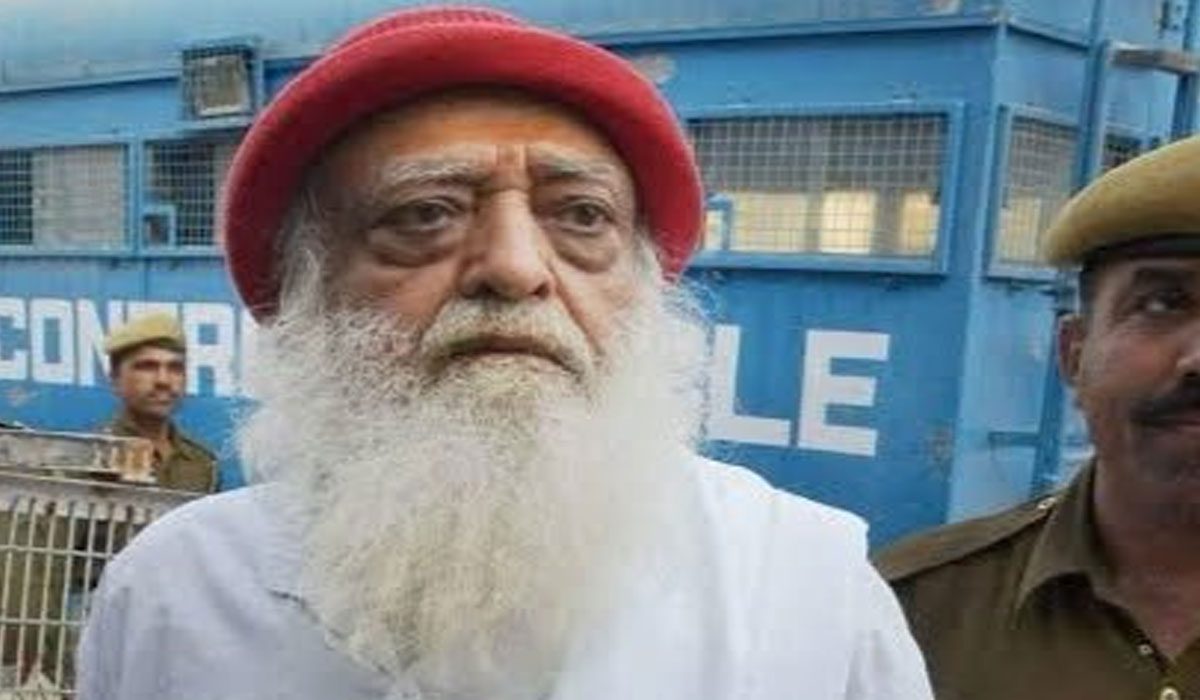
In the most recent chapter of his incarceration, Asaram was granted a medical parole spanning 20 days. This period is intended to provide inmates with necessary care that cannot be adequately managed within the confines of a correctional facility. It is a finite window, governed by strict administrative and judicial oversight. When that 20-day duration began, the expectation was absolute: upon its expiration, the prisoner would surrender himself back to the custody of the state. It is a simple administrative clock, yet one that carries profound legal weight for those already serving life sentences.

Asaram Booked for Returning Late to Jodhpur Jail After Medical Parole https://t.co/ZHq4DPtm2b #Asaram #Jodhpur #Rajasthan #MedicalParole #LegalNews #CourtNews
On October 26, 2026, that clock ran out. As the deadline for his return to the Jodhpur Central Jail passed, Asaram failed to appear. This was not merely a procedural oversight; in the eyes of the law, it represented a failure to comply with the terms of his release. While his legal representatives had attempted to navigate the system by seeking an extension to his parole, those efforts were ultimately rebuffed. The Supreme Court, acting as the final arbiter in the matter, rejected the request, leaving Asaram with no legal pathway to remain outside the prison walls beyond the original 20-day term.
By the following day, October 27, 2026, the consequences of this delay were immediate.
By the following day, October 27, 2026, the consequences of this delay were immediate. The Jodhpur police, tasked with maintaining the integrity of the custodial system, officially booked Asaram for his failure to return. The case was registered under Section 58B of the Prisons Act, a provision specifically designed to address the unauthorized absence of a prisoner. This development marks a significant escalation in his legal troubles, transforming a simple failure to report into a formal criminal matter that is now under active investigation by the Ratanada police.

Jodhpur, Rajasthan: Asaram returned to Jodhpur Central Jail this morning to surrender after his 20-day parole expired. The prison administration filed an FIR at Ratanada police station after he failed to surrender by the deadline last night https://t.co/CjVlw8V6Im
As the Ratanada police continue their investigation, the implications for Asaram are clear. The registration of a new case under the Prisons Act suggests that his legal challenges are far from over. For a man already serving a life sentence, these new charges introduce a layer of complexity that could influence his future standing within the penal system. The investigation is currently ongoing, and while the legal process will determine the specific ramifications of this breach, the incident serves as a stark reminder of the limitations placed upon those under the state’s watch.
As it stands, the situation remains in flux. The transition from a medical parolee to a suspect in a new legal case highlights the precarious nature of temporary releases for high-profile inmates. With the Supreme Court having already denied his plea for more time, the focus now shifts to how the justice system will address this latest defiance of its orders. The case of Asaram continues to be a test of the rigidity of the law, proving that even for those who have spent years in the public eye, the rules of the prison remain absolute.