On September 8, 2022, Greens senator Mehreen Faruqi tweeted about the passing of Queen Elizabeth II. Her tweet read, 'Rest in peace, Queen Elizabeth II. A long and productive reign. #RIP'. The tweet was a simple expression of respect and sentiment, but it ignited a firestorm when Pauline Hanson, a controversial political figure, responded with a tweet of her own.

Hanson's tweet, posted the same day, was a scathing and inflammatory message: 'When you immigrated to Australia you took every advantage of this country. You took citizenship, bought multiple homes, and a job in a parliament. It's clear you're not happy, so pack your bags and piss off back to Pakistan — PH.'
Faruqi's tweet and Hanson's response quickly went viral, with the latter sparking outrage and accusations of racial discrimination. Faruqi, who is of Pakistani descent, felt the comment was a direct and hostile attack. The incident was not just a personal dispute but a broader conversation about race, immigration, and political correctness in Australia.
For Hanson, it was a chance to overturn the Federal Court's ruling and potentially reshape the landscape of racial discrimination laws.
In 2024, the Federal Court ruled in Faruqi's favor, finding that Hanson's comments constituted racial vilification under the Racial Discrimination Act. The ruling was a significant moment, as it highlighted the growing tension between freedom of speech and the need to protect against racial discrimination.
Hanson's decision to appeal the Federal Court's ruling was not just about vindicating herself. It was a broader challenge to the racial discrimination laws, which she and her supporters argue are overly restrictive and impede the freedom of political communication. The case has become a proxy for a larger debate about the balance between free speech and anti-discrimination laws.
Hanson's appeal statement to the High Court read, 'This case has always been bigger than me and bigger than one tweet. It's about the freedom of political communication and the Commonwealth's power to make such laws.' Hanson's lawyers argue that the Federal Court's decision was overly broad and that the Racial Discrimination Act infringes on the implied freedom of political communication enshrined in the Australian Constitution.
In November 2026, the High Court agreed to hear Hanson's appeal. The decision was a moment of uncertainty for all parties involved. For Hanson, it was a chance to overturn the Federal Court's ruling and potentially reshape the landscape of racial discrimination laws. For Faruqi and her supporters, it was a moment of trepidation, as the High Court's decision could have far-reaching implications for the protection of racial minorities.
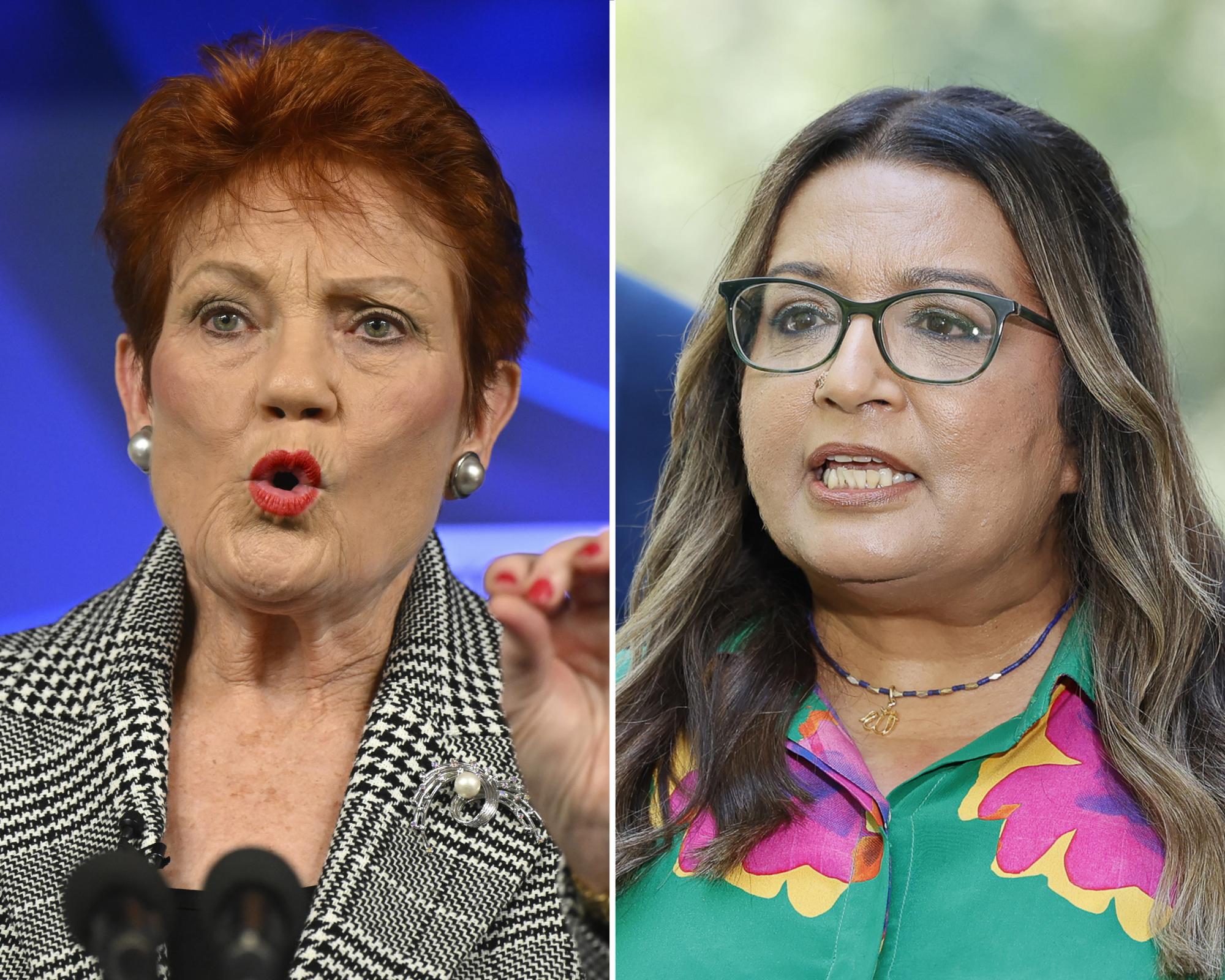
The High Court's decision to hear the case was a significant step. It meant that the issue would be examined by the country's highest judicial body, which could set a precedent for future cases. The High Court's involvement added a layer of complexity to the case, as its decision would not only affect Hanson and Faruqi but could also influence the broader legal framework in Australia.
The appeal hearing, held in November 2026, was a tense and highly publicized event. Both Hanson and Faruqi's legal teams presented their arguments, with Hanson's team emphasizing the importance of free speech and the need for a balanced approach to racial discrimination laws. Faruqi's team, on the other hand, argued that the Racial Discrimination Act was necessary to protect against racial vilification and ensure a fair and inclusive society.
The hearing was a showdown of ideologies, with Hanson's supporters advocating for a broader interpretation of the implied freedom of political communication, and Faruqi's supporters calling for stricter enforcement of the Racial Discrimination Act. The High Court judges listened intently, their decisions likely to shape the future of racial discrimination laws in Australia.
In a surprising turn of events, the High Court delivered a split decision. While the majority of the judges ruled in favor of Hanson, arguing that the Federal Court's decision was overly broad and that the Racial Discrimination Act should be interpreted more narrowly, one judge dissented. The dissenting judge, Justice Smith, argued that the Racial Discrimination Act was necessary to protect against racial vilification and that the Federal Court's decision was appropriate.
The split decision was a significant development. It highlighted the ongoing tension between free speech and anti-discrimination laws and set the stage for further legal battles. For Hanson, the decision was a partial victory, as the High Court's ruling could be used to challenge future cases that might be seen as overly restrictive. For Faruqi and her supporters, the decision was a setback, as it could be used to argue that the Racial Discrimination Act needs to be strengthened.
The High Court's decision has left a lasting impact on the legal landscape in Australia. The ruling has sparked renewed debates about the balance between free speech and anti-discrimination laws, with both sides calling for changes to the Racial Discrimination Act. The case has also highlighted the importance of judicial review in shaping the legal framework for protecting racial minorities and ensuring a fair and inclusive society.
For Pauline Hanson, the decision is a mixed bag. While she has won a partial victory, the High Court's ruling could be used against her in future cases. The case has also brought the issue of racial discrimination to the forefront of public debate, with many Australians calling for a more nuanced approach to balancing free speech and anti-discrimination laws.
The Pauline Hanson case has tested the limits of Australia's racial discrimination laws and the freedom of political speech. The High Court's decision to hear the case and the split verdict have set the stage for ongoing legal battles and public debates. The case has highlighted the complexity of balancing free speech with the need to protect against racial discrimination, and it will continue to shape the legal landscape in Australia for years to come.