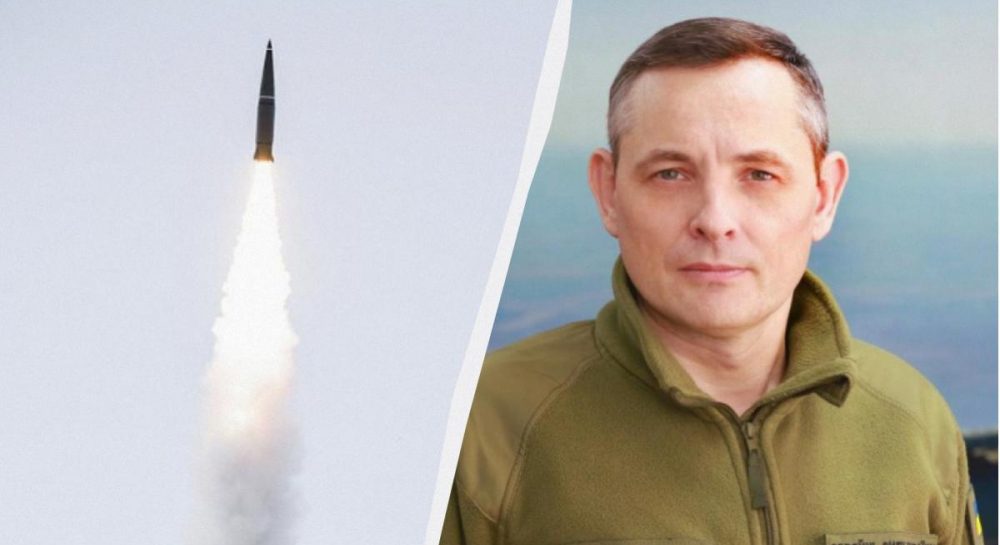
In the early hours of October 19, 2026, the night sky over Kyiv was fractured by the sudden, violent arrival of Russian ballistic missiles. For those on the ground, the experience was one of profound vulnerability. While the Ukrainian Air Force reported two distinct strikes during the night, the experience of the residents was defined by a jarring inconsistency in warnings. According to Yuriy Ignat, a key figure in the Ukrainian military, the first strike arrived without any prior notification from international partners. It was only when the second strike occurred that a warning was issued, though by that point, the margin for survival had all but vanished.
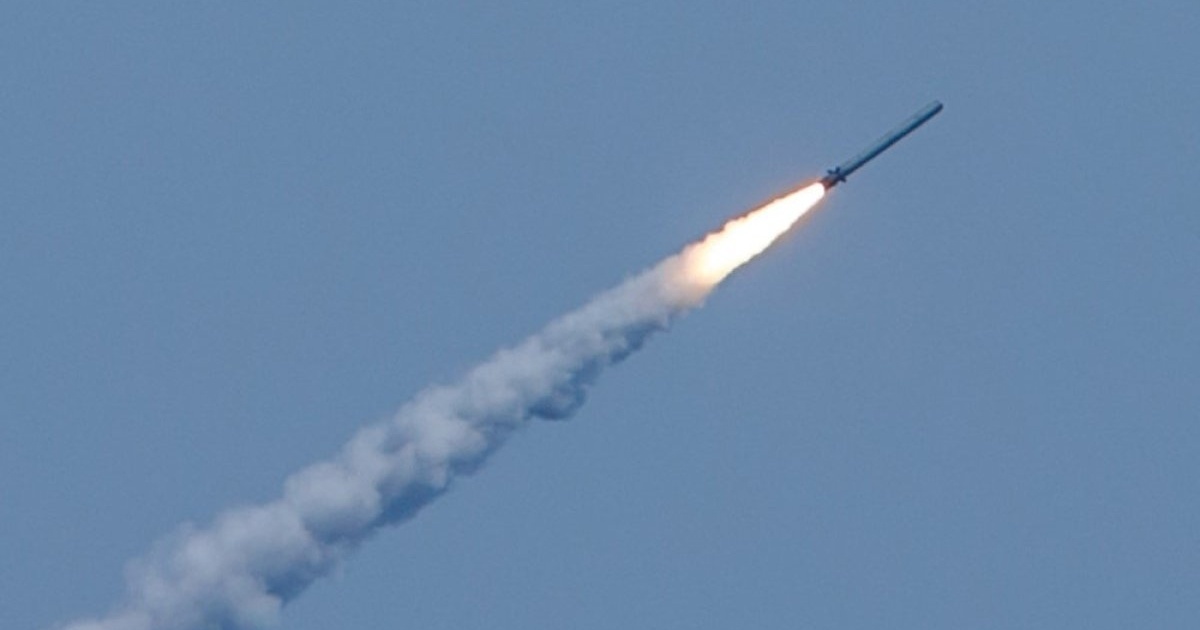
The challenge of defending against ballistic missiles is defined by the brutal physics of speed. When these weapons are launched from Russian border regions, the flight time is measured in mere minutes. Ignat described the reality of this environment with stark precision: the interval between the detection of a launch and the impact of the missile is often so brief that the automated systems designed to trigger sirens and public alerts struggle to keep pace. In some instances, warnings sent via messaging platforms like WhatsApp and Viber are barely transmitted before the missiles appear in the sky, rendering the traditional window for evacuation almost non-existent.
This incident on October 19 was not an isolated failure of communication. Ignat noted that the lack of warning for the initial strike mirrors previous instances where critical intelligence failed to reach Ukrainian authorities in time. This recurring gap has become a point of significant friction. While Ukrainian experts are currently working with their international counterparts to investigate why these intelligence streams are breaking down, the human cost is mounting. The broader campaign, which saw Russian forces deploy a variety of rockets and a reported 269 UAVs, left a trail of destruction that included one death and eight injuries in the Kyiv region.
Ignat noted that the lack of warning for the initial strike mirrors previous instances where critical intelligence failed to reach Ukrainian authorities in time.
Behind the scenes, the relationship between Kyiv and Washington appears to be undergoing a period of intense strain. Reports suggest that the office of the US President and high-level intelligence officials are currently embroiled in a dispute regarding the scope and reliability of intelligence sharing. This friction reached a notable peak on October 14, 2026, when discussions reportedly emerged within the US President’s office about the possibility of halting intelligence cooperation with Ukraine entirely. For Ukrainian officials like Ignat, the reliance on their own radar fields and internal detection capabilities remains the primary, albeit imperfect, line of defense.
As the conflict continues, Ukraine is increasingly forced to rely on its own internal infrastructure to track incoming threats. Ignat emphasized that while the partnership is vital, the Ukrainian military maintains its own radar fields and independent sources of information to monitor launches. Yet, even with these systems, the sheer speed of ballistic weaponry means that the margin for error is effectively zero. The frustration in Kyiv is palpable; there is a clear sense that the current mechanisms for warning civilians are failing to account for the rapid-fire nature of modern Russian aerial tactics. As the investigation into the October 19 strikes continues, the fundamental question remains: can the intelligence infrastructure keep pace with the speed of the missiles, or will the silence continue to precede the impact?