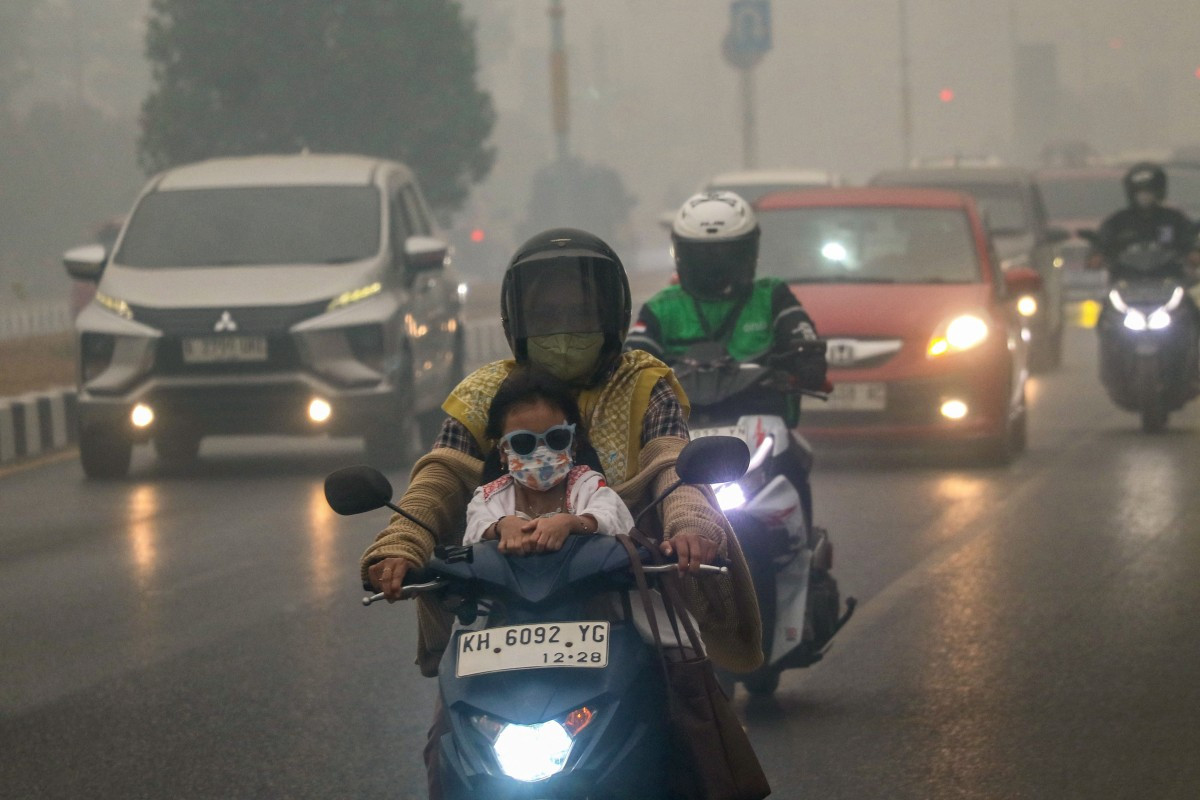
On 2026-10-12, forest and peatland fires broke out in the Indonesian regions of Kalimantan and Sumatra. The fires are the source of the worsening transboundary haze that has begun to affect neighboring countries. The outbreak marked the start of a rapid deterioration in air quality across the region, setting off a chain of responses from governments tasked with protecting public health.
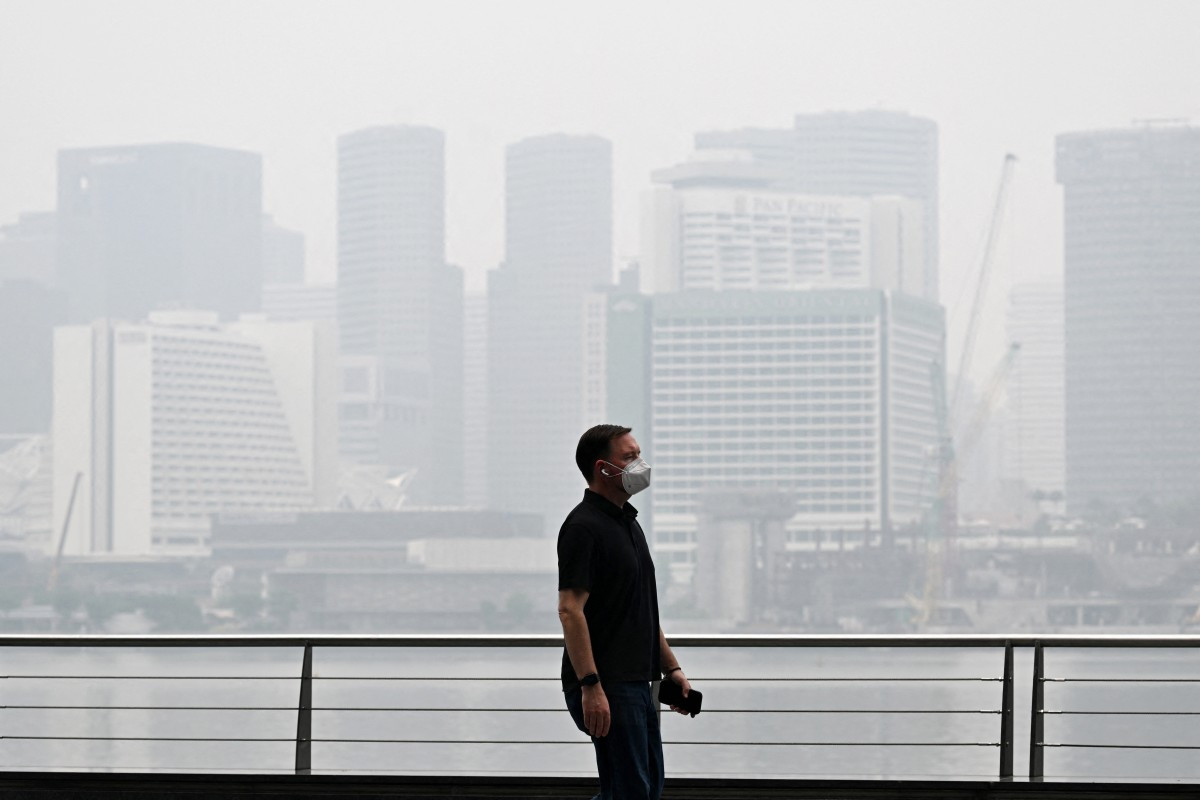
Also on 2026-10-12, Singapore was ranked the world’s most polluted city. The ranking underscored the immediacy of the threat faced by Singapore’s residents and added urgency to the city-state’s need for protective measures.
In response to the encroaching haze, Malaysia announced school closures on the same day, 2026-10-12. The move reflected a precautionary approach taken by Malaysian officials to safeguard public health amid the deteriorating environmental conditions.
Senior citizens aged 67 and above are eligible for support with a maximum cap of 5 SGD for haze-related treatment.
Simultaneously, Singapore unveiled a haze-related subsidy scheme on 2026-10-12. Under this program, most eligible Singaporeans receive financial assistance for medical treatment, with a maximum benefit capped at 10 SGD. Senior citizens aged 67 and above are eligible for support with a maximum cap of 5 SGD for haze-related treatment. The scheme is intended to offset out-of-pocket costs for treatment linked to haze exposure, providing a tangible safety net for the population.
To combat the fires at their source, a joint force of 60,000 personnel was deployed across six provinces. The deployment covers six provinces where the wildfires are active. The scale of the deployment highlights the seriousness with which authorities are treating the wildfire outbreak and the logistical challenge of containing fires spread over a large geographic area.
As the haze intensified and neighboring countries enacted protective measures, the Indonesian government faces increasing pressure to address the worsening transboundary haze. The administration is facing heightened scrutiny to act on the fires as the haze affects public health in the region.

A destructive new forest fire ravages the lands of Sampurna village, located within the Jejangkit District of Barito Kuala Regency in South Kalimantan, Indonesia. Massive, choking plumes of dense orange haze have completely blanketed the rural region, severely reducing visibility and triggering urgent respiratory health warnings for nearby communities. Local disaster response teams are deployed to battle the spreading blazes under hazardous atmospheric conditions, working tirelessly to protect local agricultural fields.
Despite the school closures, medical subsidies, and the large-scale personnel deployment, the haze situation remains critical. The ongoing challenge underscores the complexity of managing transboundary environmental disasters and the need for sustained, multi-national effort.