
For millions of Indian citizens, the electoral roll is not just a bureaucratic document; it is the gatekeeper of democratic participation. Yet for residents of Telangana, Andhra Pradesh, Delhi, Maharashtra, Haryana, and Nagaland, that gate is currently swinging wide open. On October 30, 2026, the Election Commission of India (ECI) announced an extension to the deadlines for the Special Intensive Revision (SIR) of their electoral rolls. This move, prompted by requests from Chief Electoral Officers and judicial scrutiny, ensures that eligible voters have ample time to be included in the lists. The implication is significant: the final voter rolls for these regions are now scheduled for publication on various dates in late November and December of this year, delaying the closure of one of the most critical phases of pre-election preparation.
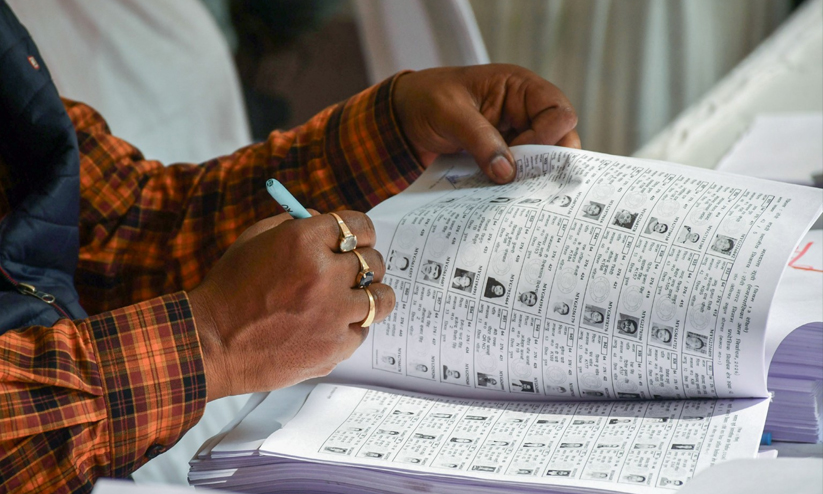
To understand why this extension matters, one must look at what the SIR actually does. While regular revisions occur periodically, the Special Intensive Revision is a more rigorous, door-to-door verification exercise designed to update rolls with greater accuracy. It is a process where enumeration forms are submitted, and existing records are re-verified. The ECI’s decision to extend the deadlines is not merely a procedural delay; it is a response to the sheer volume of data that requires scrutiny. By allowing more time, the Commission aims to ensure that the resulting rolls are not only up-to-date but also accurate, minimizing the risk of eligible voters being inadvertently dropped or ineligible ones being added ahead of upcoming elections.

SIR deadline extended in Andhra, Telangana, Delhi and three other states https://t.co/Gb839k3Toe
The scale of this administrative task is most visible in Telangana, where the numbers illustrate the complexity of the task. The state currently has 3,38,26,448 registered voters. Under the SIR process, 2,64,87,213 enumeration forms were submitted. This means that nearly 80% of the registered electorate engaged in the revision process. However, the work is not done with the forms alone. The rolls also contain 73,39,235 entries flagged for ASDD (Add, Delete, De-merge) operations. These are specific corrections that require individual verification. With the deadline now extended to November 30, 2026, the field officers in Telangana have a window to process this massive backlog before the final lists are frozen.
The final electoral roll publication for the National Capital Territory is scheduled for December 22, 2026.
In neighboring Andhra Pradesh, the numbers are even larger in absolute terms, reflecting the state’s significant population. There are 4.16 crore voters on the rolls. Of these, 3.71 crore submitted enumeration forms. This high participation rate is a testament to the civic engagement in the region, but it also represents a formidable challenge for the election machinery. The ECI has set the same November 30, 2026, deadline for the final publication of the rolls in Andhra Pradesh, mirroring the timeline for Telangana. For both states, these dates represent the point after which the rolls become the authoritative record for subsequent elections.
While the five states of Maharashtra, Haryana, Andhra Pradesh, Telangana, and Nagaland are converging on a November 30 deadline, Delhi stands slightly apart. The final electoral roll publication for the National Capital Territory is scheduled for December 22, 2026. This distinction likely accounts for the unique administrative load and public scrutiny that the capital city often faces. The Supreme Court has been involved in overseeing these processes, ordering delays in the re-verification of voter lists in Delhi and the other five states. The court’s intervention highlights the legal sensitivity of ensuring that the democratic process is not compromised by administrative haste.
The extension is not just an internal decision by the Election Commission. It follows specific requests from Chief Electoral Officers on the ground who flagged issues during the process, and it aligns with directives from the Supreme Court. This judicial oversight is a check against the potential errors of mass administration. By mandating a longer window, the courts are prioritizing the integrity of the voter database over the speed of its completion, a trade-off that favors long-term democratic stability.

After the Supreme Court questioned the haste over the S.I.R. process, EC extends S.I.R. deadline in 6 states. - Deadline extended in Delhi, Haryana, Maharashtra, Nagaland, Telangana & Andhra @Mohitbhatt90 & @_kritika_tiwari share more details. https://t.co/KiDPok6Vqe
As we approach these November and December 2026 dates, the administrative machinery in these six jurisdictions is on high alert. The "final" publication of the rolls does not mean the end of all disputes, but it does mean the baseline for election scheduling is set. Once the rolls are published on November 30 or December 22, any further changes will be subject to different, stricter legal procedures. The extended SIR period is effectively the last major opportunity for the public to ensure their details are correct. For the millions in Telangana and Andhra Pradesh who submitted their forms, the wait is the final hurdle before their civic status is firmly established for the next electoral cycle.
Behind the crores of forms and the millions of registered voters are individual stories of citizenship. For a newly eligible voter in Haryana or a resident of Nagaland, the difference between being included and excluded can be the difference between a right exercised and a right ignored. The ECI’s decision to extend the deadlines is a recognition of this human element. It acknowledges that in a democracy as vast and diverse as India’s, the process of counting and verifying must be robust enough to accommodate the speed of change in society. As the final dates for these rolls approach, the focus shifts from collection to verification, a quiet but critical phase that determines who will have a voice in the coming elections.