
The quiet of the early morning in Kochi, Kerala, was violently interrupted on October 26, 2026. At approximately 2:20 a.m., a high‑end Mercedes‑Benz collided with a scooter near Cheranalloor, resulting in the immediate death of the scooter’s rider, Jayabalakrishnan. For the family of the victim, a petty trader, the tragedy was not merely an accident of the road; it was the beginning of a profound struggle for accountability. The driver of the Mercedes‑Benz was identified as a 17‑year‑old minor, the son of a local court judge from Thrissur.
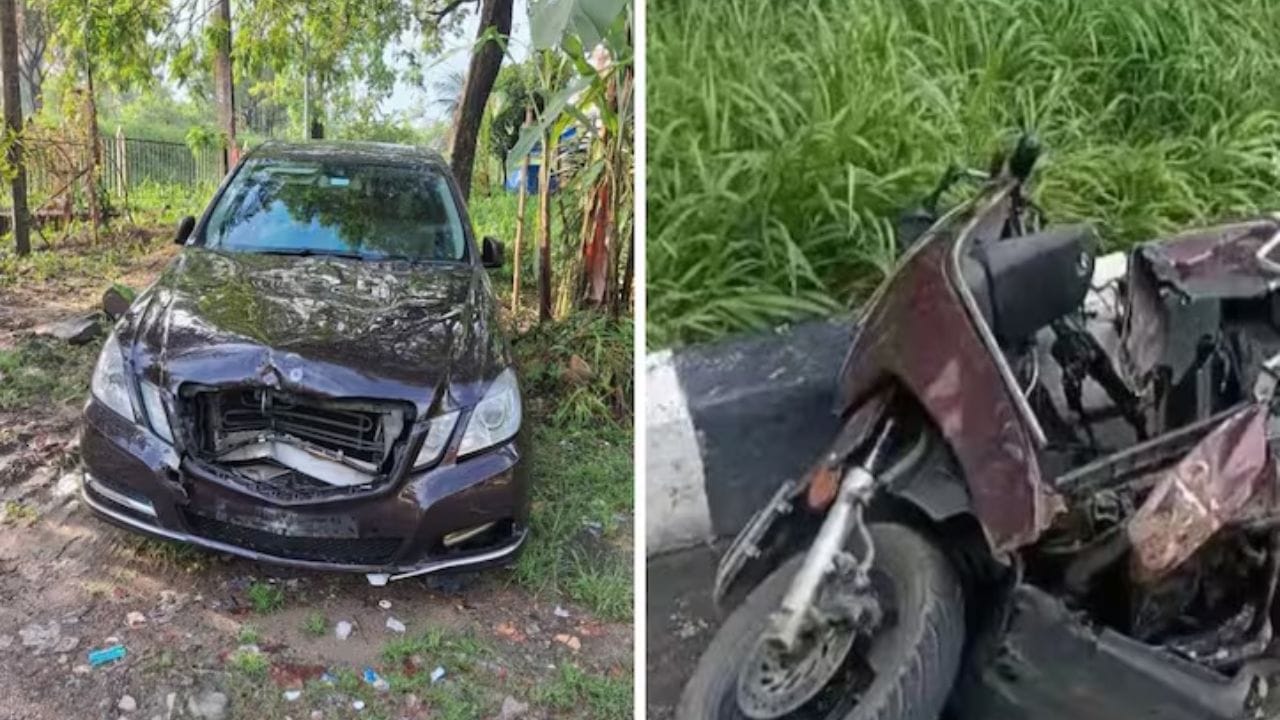
In the immediate aftermath of the crash, the narrative provided by the minor driver centered on external factors. According to statements provided to the police, the boy claimed he had taken the vehicle without his parents’ knowledge or consent. He further attributed the fatal collision to the environmental conditions of that night, citing heavy rain and the sudden, unexpected movement of the scooter as the primary causes of the accident. Authorities confirmed that blood tests conducted on the minor showed no signs of alcohol consumption, a detail that became a focal point in the initial investigation.

#WATCH | Kochi, Keralam | On an accident involving a Judge’s minor son, BJP MLA V Muraleedharan says, "It is an alarming situation that adolescents are given the freedom to take the vehicles and go out and indulge in rash driving, due to which innocent lives are lost. It will have to be a collective decision of the society on what needs to be done to prevent such issues from recurring. Unfortunately, the police come to the rescue of the influential. It is for the government to respond to such things."
Public scrutiny intensified rapidly when the Cheranalloor police, who registered an FIR under sections 281 and 106(1) of the BNS, released the minor on station bail within mere hours of his detention. This swift release sparked immediate outrage from the family of Jayabalakrishnan. In a legal system where the wheels of justice often turn slowly, the rapid processing and bail of the son of a judicial officer created a perception of preferential treatment that the victim’s family found impossible to ignore.
The family has gone further, accusing the judge—the registered owner of the Mercedes‑Benz—of arriving at the police station and exerting pressure on officials.
As the investigation proceeded, the victim’s family began to voice serious concerns regarding the integrity of the case. They have openly alleged that attempts are being made to derail the legal process and destroy evidence, specifically because of the accused’s familial connection to the judiciary. The family has gone further, accusing the judge—the registered owner of the Mercedes‑Benz—of arriving at the police station and exerting pressure on officials. These claims have cast a long shadow over the proceedings, turning a traffic fatality into a broader debate about whether the law applies equally to those who hold positions of authority and their families.

Kochi hit-and-run case: Victim's family alleges a cover-up after Kerala judge son's Mercedes crash. @vedikas speaks to the family on #BreakingGround. https://t.co/RvPErT68Vw
While the police continue to investigate the circumstances of the crash, the focus is shifting toward the responsibility of the vehicle’s owner. Authorities are currently examining whether to include the judge as an accused party in the case. Under the Motor Vehicles Act, there are provisions that can hold vehicle owners accountable for allowing a minor to operate their vehicle. As the investigation moves forward, the central tension remains: whether the legal system can maintain its impartiality when the interests of a judicial officer intersect with a criminal investigation involving his own family member.