
The tension along the northern frontier reached a critical point on 2026-10-23, marking a day when multiple encounters between Indian and Chinese troops occurred in Arunachal Pradesh. This was not merely an isolated incident but part of a broader pattern of friction that had been simmering for months. The situation prompted immediate scrutiny from within the Indian political landscape, particularly regarding how the central government managed these escalating security challenges.
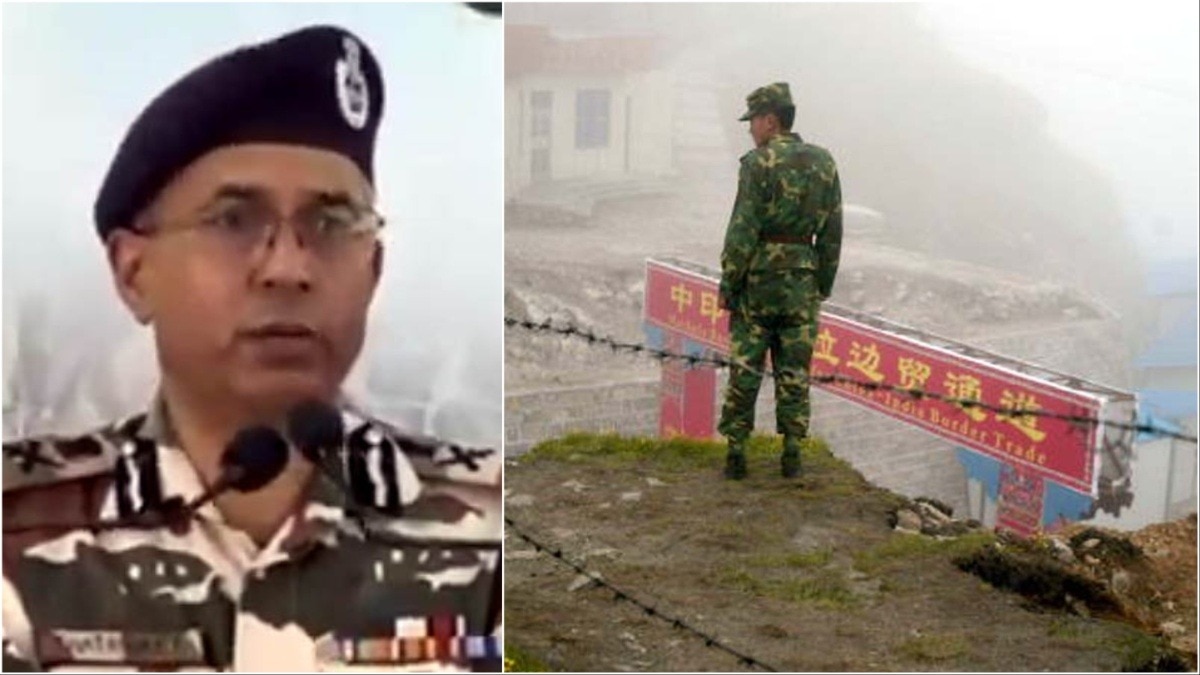
To understand the gravity of the situation, one must look at the terrain itself. The Line of Actual Control (LAC) stretches across a vast expanse of land, measuring 3,488 kilometers in length. This boundary is not just a line on a map; it is the primary locus of military activity between the two nations. For the Indo-Tibetan Border Police, this 3,488 km stretch represents a zone under constant vigilance. The sheer scale of the border makes traditional monitoring difficult, necessitating a shift toward more advanced surveillance methods to ensure no gap exists where a conflict could escalate unnoticed.
In response to the ongoing face-offs in several sectors of Arunachal Pradesh, the ITBP has moved beyond conventional defensive posturing. Reports indicate that the organization is preparing for modern warfare by establishing special commando units designed specifically to handle border conflicts. This strategic pivot suggests that the forces recognize the need for specialized tactics rather than relying solely on static defenses. The goal is to maintain control over the territory while minimizing the risk of wider escalation, a delicate balance that requires both technological upgrades and rigorous training protocols.
While the military prepared its strategy, the political arena saw a different kind of mobilization.

FIRST OFFICIAL CONFIRMATION. NATIONALISTS NEED TO LISTEN. Man in charge of the Indian Tibetan Border DG Shatrujeet Kapur confirms ongoing skirmishes between PLA and Indian Army since July. Kapur says that these skirmishes were on even when Chinese President Xi Jinping visited Delhi for BRICS.
Shatrujit Singh Kapoor, the Director General of the ITBP, addressed the evolving threat directly. Speaking about the operational reality, he noted that face-offs continue in several sectors of Arunachal Pradesh. His assessment was clear: "We are ready to give a befitting reply to the Chinese troops in many areas of Arunachal Pradesh since July." This statement underscores the agency's commitment to readiness. It signals that the military leadership views the current standoff not as a temporary blip, but as a sustained engagement requiring a persistent and capable response mechanism.
While the military prepared its strategy, the political arena saw a different kind of mobilization. The Congress party stepped forward to criticize the Modi government's handling of the situation. They questioned the administration's soft approach towards China, raising significant issues related to trade and military operations. The criticism highlighted a disconnect between the government's diplomatic posture and the realities on the ground. By framing the issue through the lens of trade and military operations, the opposition sought to highlight what they perceived as a vulnerability in the national security architecture.
Despite the political heat, the focus remained firmly on the physical border. Several places in Arunachal Pradesh have seen encounters between Indian and Chinese troops, and this situation is still ongoing. The persistence of these clashes means that the ITBP cannot afford complacency. The establishment of modern warfare techniques and commando units was not a reaction to a single event but a necessary evolution driven by the continuous nature of the tension. As long as the face-offs persist, the strategic adjustments made by the police force remain relevant and active.
As of now, the standoff remains unresolved. The ITBP continues to monitor the 3,488 km LAC with heightened alertness. The integration of drone surveillance and advanced training is being implemented to support the ongoing operations. While the political discourse intensifies, the military machinery keeps moving forward, ensuring that the border is secure against the threats identified during the encounters on 2026-10-23. The path ahead involves navigating complex geopolitical waters while maintaining domestic stability.

ITBP chief says China face-offs ongoing at multiple areas along Arunachal border #Arunachal #China #ITBP https://t.co/74jo3j3aQG