
The air alarm continues. The threat remains high. Do not ignore!
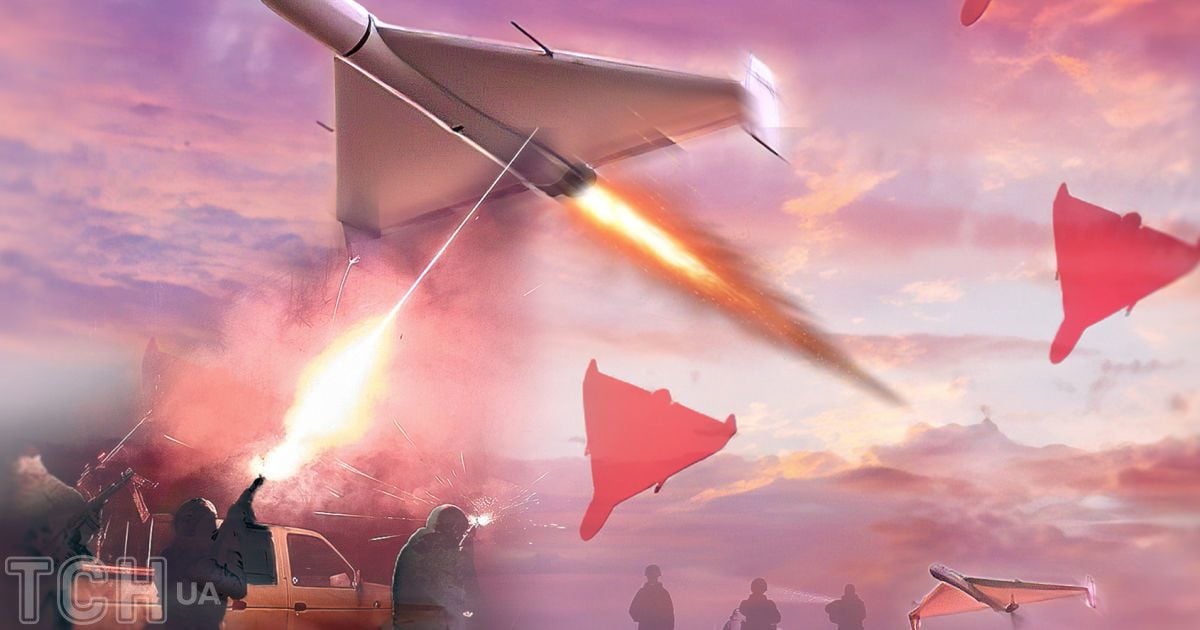
Residents in the Lviv region of Ukraine were ordered to seek shelter on October 19, 2026, as Russian drones struck critical energy infrastructure twice that day. This warning was issued by local authorities who understood the immediate danger posed to civilians living under the shadow of the sky. The morning of October 19 saw a particularly intense wave of activity where Russian drones targeted Lviv city itself, damaging residential buildings and vehicles in the process. For those living through this conflict, the sound of the siren is no longer an anomaly but a recurring signal of impending violence against their homes.
On October 19, 2026, Russian forces launched drone attacks specifically targeting critical energy infrastructure in the Lviv region. These strikes are designed to disrupt power supplies and create chaos within the civilian population. The attack was not limited to a single location; it was a coordinated effort that hit multiple points across the region. While the primary focus was the energy grid, the collateral damage extended into urban centers like Lviv city, where the physical destruction of homes and cars mirrored the broader desperation of the ongoing conflict. The impact on daily life is profound when essential services are cut off or compromised by aerial bombardment.
His injury serves as a stark reminder that the war does not respect boundaries between combat zones and civilian neighborhoods.
Just three days prior, on October 16, 2026, the skies over the Lviv region witnessed a different kind of battle. Three Russian combat drones were shot down in the area, one of which was identified as a missile drone. This interception demonstrated the resilience of Ukrainian defenses against sophisticated weaponry. However, even as these drones were brought down, the risk remained present for those on the ground. The presence of missile drones indicates a shift in tactics, moving beyond simple reconnaissance to direct engagement with lethal payloads capable of inflicting significant structural damage.
While the military engagements unfold above, the human toll is felt most acutely on the ground. In Dubnya, a town near the Lviv region, a 34-year-old man was injured due to falling debris from the attacks. His injury serves as a stark reminder that the war does not respect boundaries between combat zones and civilian neighborhoods. Beyond the specific injuries in Dubnya, reports indicate a wider pattern of loss. In the Kharkiv region, a separate Russian drone attack caused six casualties, including two children. The inclusion of minors among the victims highlights the indiscriminate nature of modern warfare, where schools and hospitals often fall within the target zone or suffer from the fallout of nearby strikes.
As the dust settles on the latest attacks, officials remain vigilant about the evolving threat landscape. Maksym Kozitskyi, a voice familiar with the dangers of the current conflict, emphasized the persistent nature of the danger. "Повітряна тривога триває. Загроза досі висока. Не ігноруйте!" he stated, translating to "The air alarm continues. The threat remains high. Do not ignore!" This message cuts through the noise of the news cycle, urging communities to stay alert rather than complacent. It reflects a stance where the Ukrainian military supports continued vigilance, recognizing that the enemy is adapting and striking with increasing frequency.
These events raise concerns about the ongoing conflict and its impact on civilian life across the country. When critical infrastructure is targeted, the ripple effects extend far beyond the immediate site of the strike. Power outages can lead to medical emergencies, communication blackouts hinder coordination, and the psychological burden of constant threat weighs heavily on families. The Russian military has been critical of such actions, viewing them as strategic necessities, while the Ukrainian side frames them as unacceptable violations of safety standards. The escalation of drone usage signals a new chapter in the war, where technology becomes the primary vector for destruction.
As of now, the situation remains fluid with the threat of further attacks persisting in the Lviv region and elsewhere. The timeline shows a clear progression from defensive interceptions on October 16 to aggressive strikes on October 19. The community continues to navigate this uncertainty, relying on official warnings to guide their safety protocols. The numbers of casualties and the specific targets hit serve as grim metrics of progress in the conflict. Until the skies clear, the residents of Ukraine must remain prepared for the next alarm, understanding that the war has moved into a phase where the energy grid itself is a battlefield.