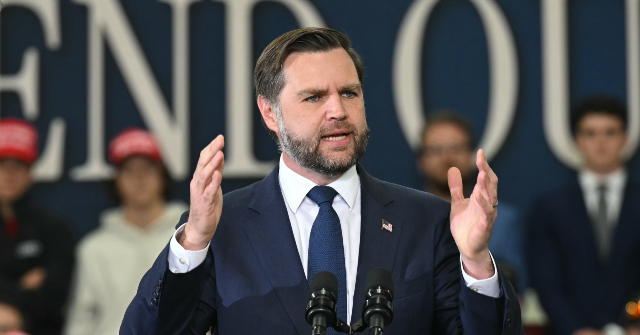
The ballot boxes across the United States had just closed on November 4, 2026, and the outcome was unambiguous. The Republican Party had suffered a sweeping defeat, ceding ground to the Democrats in what would prove to be a definitive realignment of the American political landscape. For many in the GOP establishment, the shock of the loss was still raw, but for Vice President JD Vance, the diagnosis of the failure had already been established. It was not, he insisted, that the base had simply stayed home. The data painted a more volatile picture: millions of voters who had embraced Donald Trump and Vance in 2024 had turned their backs on the party to vote for the Democrats just two years later.

In the days following the election, Vance moved to dismantle the emerging narrative that the Republican loss was primarily a story of apathy or low engagement. He pointed to internal campaign data that told a different story. Turnout among conservative voters had remained strong; the problem was not that they were absent, but that they had chosen the opposition. "The main problem is that many people who voted for Trump/Vance in 2024 voted for Democrats in 2026," Vance stated, signaling that the erosion of the coalition was the central crisis facing the party. This shift was not a subtle drift but a decisive flip in voter allegiance, suggesting that the policies of the administration and the external events of the interim had been enough to alienate the very demographic that had put them in power.
The primary driver of this defection, according to Vance, was not domestic mismanagement alone, but a specific and ongoing global conflict. He attributed the loss directly to the war with Iran, arguing that the military escalation had provided the Democrats with a potent rallying point against the administration. "The reason we lost is the war. The president himself said so last night," Vance declared, anchoring his argument in the admission of the highest office in the land. For Vance, the Iran conflict had become an electoral liability, overriding other policy priorities and providing a clear, visible reason for voters to change their minds. It was a stark reminder that foreign policy battles are ultimately decided in the living rooms of the American public, and that the cost of conflict is paid at the ballot box.
This economic friction was inextricably linked to the diplomatic relationship with Israel.
While the war provided the headline, the subtext of the defeat was economic. Vance acknowledged that Republicans had struggled to present their position on economic issues effectively during the final phase of the campaign. The disconnect between the party's messaging and the lived reality of voters was wide. Inflation had remained a persistent anxiety, and the cost of living had not abated for the families that made up the core of the Republican base. Voters were counting their pennies and measuring them against the promises made in 2024, and the calculation was coming up short. The failure to win the argument on the economy left the party vulnerable to the opposing side's narrative, which successfully framed the administration's policies as out of touch with the struggles of the average American.
This economic friction was inextricably linked to the diplomatic relationship with Israel. Vance argued that the current alignment of interests needed to be reassessed. He called for a shift in focus, prioritizing domestic cost of living and putting America first over the complexities of the region. To many in the party, this was a provocative call, suggesting that the traditional pillars of the Republican foreign policy establishment were now actively working against the party's electoral interests. The ties to Israel and the dynamics of the Middle East had become a wedge issue, one that was driving conservatives away from the party rather than pulling them closer.
In his public statements, Vance urged his fellow conservatives to channel their anger into future elections rather than resigning themselves to the results. He warned against gaslighting, a term he used to describe the tendency to deny or obscure the reality of the voter shift. Instead of denying that the 2024 voters were defecting, the party had to confront the evidence. The data showed that the voter base was not static; it was a river that could be redirected by the currents of war and economic anxiety. The warning was clear: if the party did not address the specific grievances—namely the Iran conflict and the inflation they had failed to fix—the drift toward the Democrats would only accelerate in the next cycle.
The midterm results of November 4, 2026, stand as a turning point. With a 13-point Democratic lead in the general election contest visible before the final votes were cast, the shift was undeniable. Vance's analysis offers a roadmap: end the war, fix the cost of living, and redefine the relationship with the Middle East. It is a plan that requires a radical departure from recent policy, but for Vance, it is the only path to reclaiming the voters who once believed in the promise of 2024. The house is now fully in Democratic order, and the Republican strategy for the future is being written in the margins of their defeat.