On October 15, 2026, the landscape of energy development in Mongolia shifted subtly but significantly. A declaration regarding the discovery of resources was accepted by the MRPAM, marking a pivotal moment for TMK Energy. This approval is not merely administrative; it represents the transition of a project from the uncertain phase of exploration into the structured environment of evaluation. For an investor or a newcomer to the industry, this distinction matters because it signals that the company has moved past the initial gamble of finding something and has now entered the phase where they must prove how much can be produced sustainably.

The acceptance of the declaration means the project can no longer remain in limbo. It allows TMK Energy to proceed with confidence that the fundamental legal and technical requirements have been met to move forward with the next stage of development.
At the heart of this regulatory victory lies the Gurvantes XXXV coal seam gas project. Spanning a vast area of 8,400 square kilometers, the site hosts significant gas resources. To understand the magnitude of this achievement, one must look at the resource estimate itself: 1.2 trillion cubic feet of coal seam gas. This figure represents a substantial volume of fuel trapped within coal seams, a type of natural gas formation distinct from conventional reservoirs.
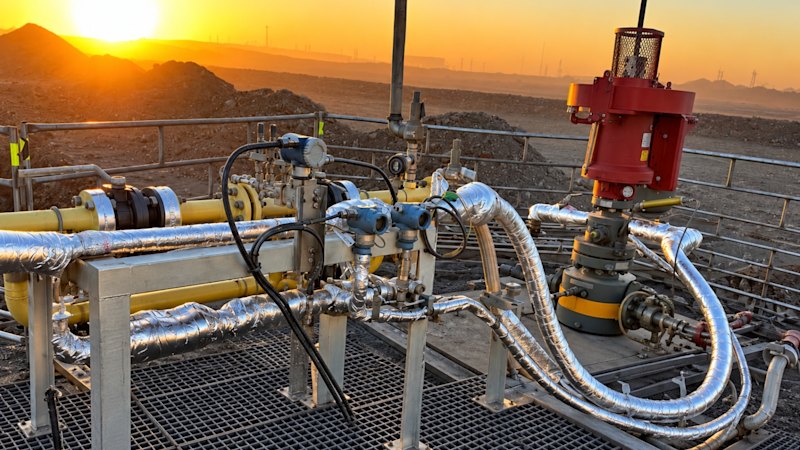
The company plans to conduct an extended production test, commonly known as an EPT.
For a newcomer to the sector, the concept of coal seam gas requires context. The sheer size of the project footprint indicates that the potential for extraction is extensive. However, size alone does not guarantee success; the challenge lies in accessing these reserves efficiently without depleting the resource too quickly. The regulatory approval serves as the green light to begin assessing exactly how these flows behave under pressure and what the economic viability might look like on a large scale.
With the regulatory door open, TMK Energy now faces the practical task of bringing the gas to market. The company plans to conduct an extended production test, commonly known as an EPT. This period will run for a minimum of 180 days, providing a window of time to assess gas flows and develop a field development plan. During this time, the focus shifts from discovery to quantification. The goal is to determine if the gas can be produced reliably enough to warrant investment in infrastructure.
Dougal Ferguson, CEO of TMK Energy, outlined the strategy behind this next step. "This declaration and the subsequent lodgement of an appraisal program will allow the formal EPT period to commence," he stated. He noted that during the EPT, the company will commence the process of agreeing initial reserves, a field development plan and eventually a production license. This sequence is critical. Initial reserves represent the best estimate of recoverable gas based on current data. The field development plan outlines how wells will be drilled and connected. Finally, the production license is the final permission required to extract and sell the gas commercially.
The path forward is methodical. The EPT provides the data needed to validate the 1.2 trillion cubic feet estimate against real-world performance. If the test confirms the expected flow rates, the company can finalize the development plan. Once approved, the production license will authorize operations. Until then, the project remains in evaluation mode, waiting for the results of the tests to confirm the commercial reality of the discovery made on October 15, 2026.
