
Israeli general elections concluded with the opposition bloc, led by former Chief of Staff Gadi Eisenkot, securing 53 seats, narrowly defeating the incumbent right-wing coalition led by Prime Minister Benjamin Netanyahu. Despite leading in the polls, the opposition failed to secure a majority in the 120-seat Knesset. Ultra-Orthodox parties also won 6 seats. Final results are expected within 8 days.
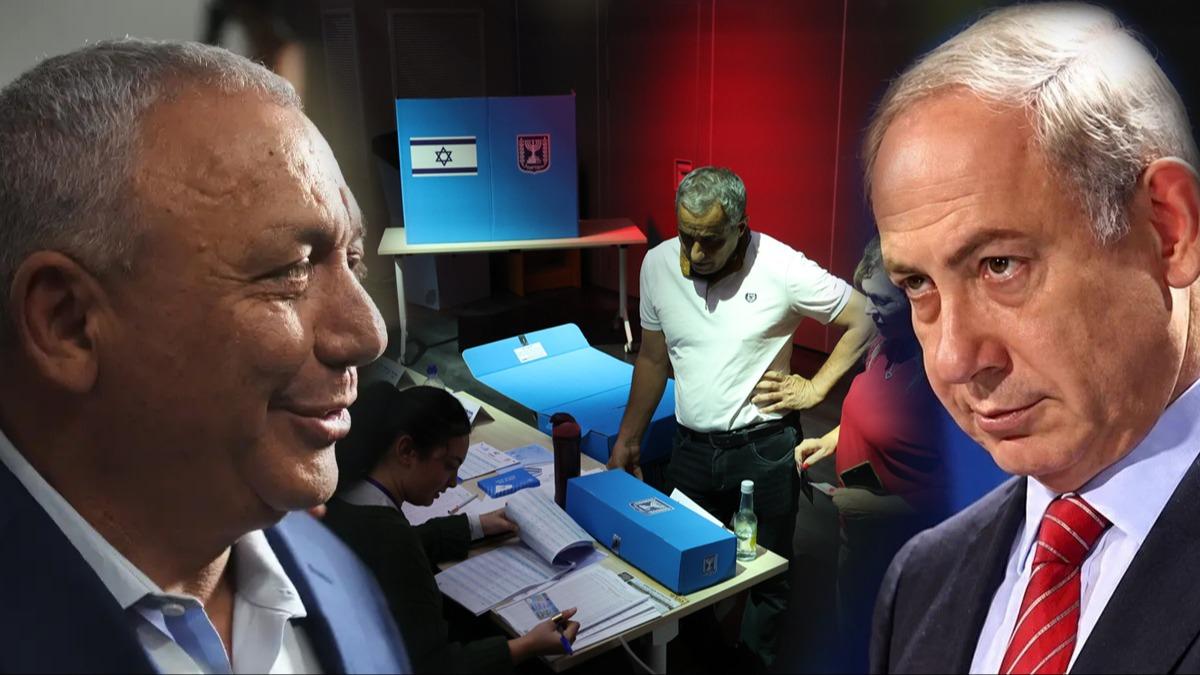
The central drama of the election unfolded between two primary figures: the incumbent Prime Minister Benjamin Netanyahu and the former Chief of Staff Gadi Eisenkot. As the results were tallied, it became clear that the landscape of the Knesset had shifted. Eisenkot's opposition bloc managed to secure 53 seats, effectively outpacing the 50 seats held by the right-wing coalition led by Netanyahu. Despite this numerical lead, the outcome remains far from a decisive victory for either side.

🗳️Exit polls: Netanyahu opponents projected to win 70 seats, including 17 for Arab parties; PM's block projected to win 50 https://t.co/t1wA6oHlo1
While the opposition bloc's 53 seats represent a significant political achievement, the threshold for forming a government in the 120-seat Knesset is a majority that neither side has managed to grasp. Netanyahu's Likud party finds itself in a precarious position. Although his coalition holds 50 seats, the lack of broader support makes the path to a governing majority increasingly difficult to navigate. Meanwhile, Eisenkot's own party, Yashar!, secured seats, positioning itself as a major force but one that remains unable to form a government on its own terms.
Although his coalition holds 50 seats, the lack of broader support makes the path to a governing majority increasingly difficult to navigate.
Adding a layer of complexity to the post-election negotiations is the performance of Palestinian-led parties. Exit polls indicate that these parties, representing a significant portion of the electorate, have made strong gains. In the intricate dance of coalition building, these parties could theoretically play a kingmaker role. However, a significant barrier remains: most Jewish parties have maintained a firm refusal to negotiate with them, creating a political stalemate that complicates the formation of any stable government.

Benjamin Netanyahu will emerge as leader of the largest party after the Israeli general election, according to exit polls. In a major upset, the veteran prime minister’s Likud finished with 25 seats, ahead of his main challenger party, Yashar, led by former general Gadi Eisenkot, which finished with 21. However, both Mr Netanyahu’s governing coalition and the “change” bloc led by Mr Eisenkot appear to have fallen well short of the 61 of seats needed for a Knesset majority. Follow the latest updates ⤵️ https://t.co/rWiZ9rxjh8
As the nation awaits the final results, which are expected within 8 days, the reality of the situation is clear: Israel is facing a period of intense political uncertainty. Netanyahu faces a challenging path forward, as the opposition's gains have made the prospect of a traditional right-wing government increasingly difficult to realize. With the opposition bloc unable to secure a majority and the incumbent coalition struggling to consolidate power, the coming days will be defined by high-stakes negotiations and the search for a path out of the current deadlock.