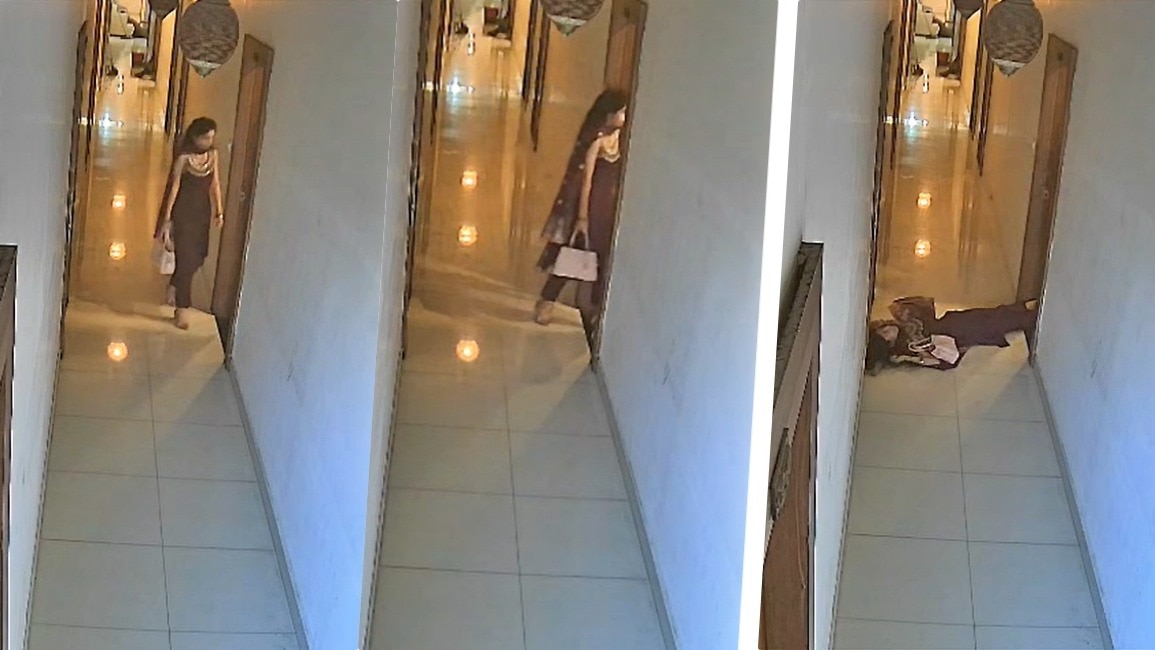
In the quiet rhythm of a newlywed life, transitions are usually marked by milestones and the slow building of shared history. For a 28-year-old woman, that rhythm was severed in a matter of moments. In a hotel room in Jhansi, Uttar Pradesh, what appeared to be a routine moment turned into a fatal event. The woman died following a fall, a brief and violent window of time that has left a family shattered and a community questioning the circumstances of her passing.

To understand the gravity of the loss, one must look back to the beginning of her marriage. The woman had married her husband three months ago. In the context of a marriage, this is often a period of adjustment and discovery, a time when the foundations of a household are being laid. Instead, that period ended abruptly with a fall in a hotel room, leaving the true nature of her death shrouded in suspicion.
When a sudden death occurs, the immediate reaction is often one of profound shock. But for the woman's father, the shock quickly curdled into a conviction. He did not see a tragic accident; he saw a crime. As the family grappled with the reality of the death, the father directed his grief toward her husband. The father’s perspective is not merely one of mourning, but of active pursuit of justice, driven by a belief that the fall was not a mishap, but a deliberate act.
The father alleges that the husband was already married before their union.
The father’s accusations go beyond the physical mechanics of the fall. Ramaji Lal accused his son-in-law Nilesh of murder. The father alleges that the husband was already married before their union. This claim adds a layer of complexity to the tragedy, suggesting that the marriage itself may have been built on a foundation of deception, providing a potential motive for the violence the family believes took place in that hotel room.
As the investigation began, the legal machinery of the state was set in motion by the family's insistence. The father did not wait for the conclusion of a medical inquiry to voice his certainty. He moved directly into the legal arena, filing a murder case against his son-in-law. This formal accusation shifted the incident from a local tragedy to a criminal matter, forcing the authorities to treat the hotel room fall as a potential homicide from the outset.
In response to the father's outcry and the suspicious nature of the fall, the police acted swiftly. The husband was arrested as the investigation commenced. The authorities are now tasked with untangling the timeline of that day, moving between the physical evidence of the scene and the digital footprints left behind. The focus has turned to the hotel's security systems, as investigators begin the meticulous process of reviewing CCTV footage to reconstruct the moments leading up to the fall.
While the police examine the visual evidence and the legal accusations, a critical piece of the puzzle remains outstanding. The medical community holds the key to the physical cause of death through the post-mortem report. This forensic analysis is essential to determine whether the fall was the result of an accident, a struggle, or something else entirely. Until that report is finalized, the distinction between a tragic mishap and a calculated murder remains a matter of intense contention between the grieving family and the accused.

As it stands, the investigation in Jhansi remains active. The arrest of the husband and the ongoing scrutiny of the hotel's surveillance footage represent the state's attempt to find clarity in a situation defined by suddenness. For the family, the search for truth is a battle against the silence of the event, waiting to see if the evidence will support a father's claim or reveal a different, more accidental reality.