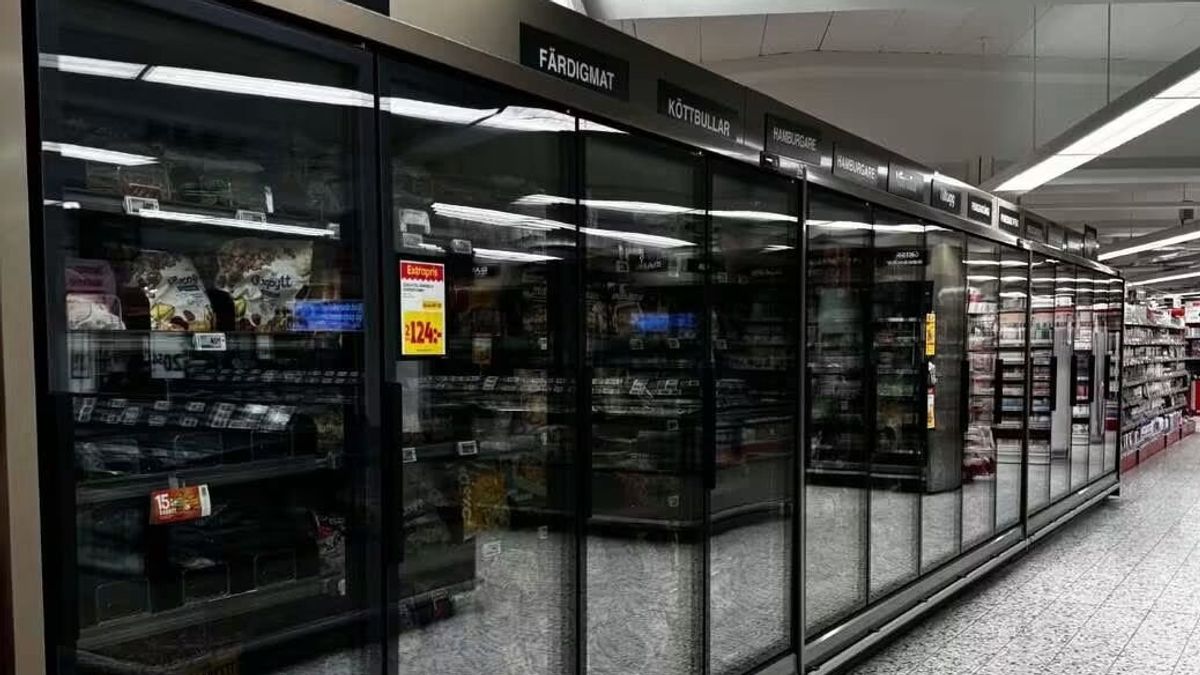
The morning shift began normally until the alarms sounded. Mats Olsson arrived at an ICA store in Boda to find a scene of chaos that defied the logic of a grocery aisle. Water covered the floor, pooling around the base of the units, while digital displays flashed alarming numbers. He arrived to find water covering the floor and a freezer temperature reading of 55 degrees Celsius (131 degrees Fahrenheit). The physical manifestation of a digital intrusion was immediate and visceral for anyone stepping inside the cold rooms.
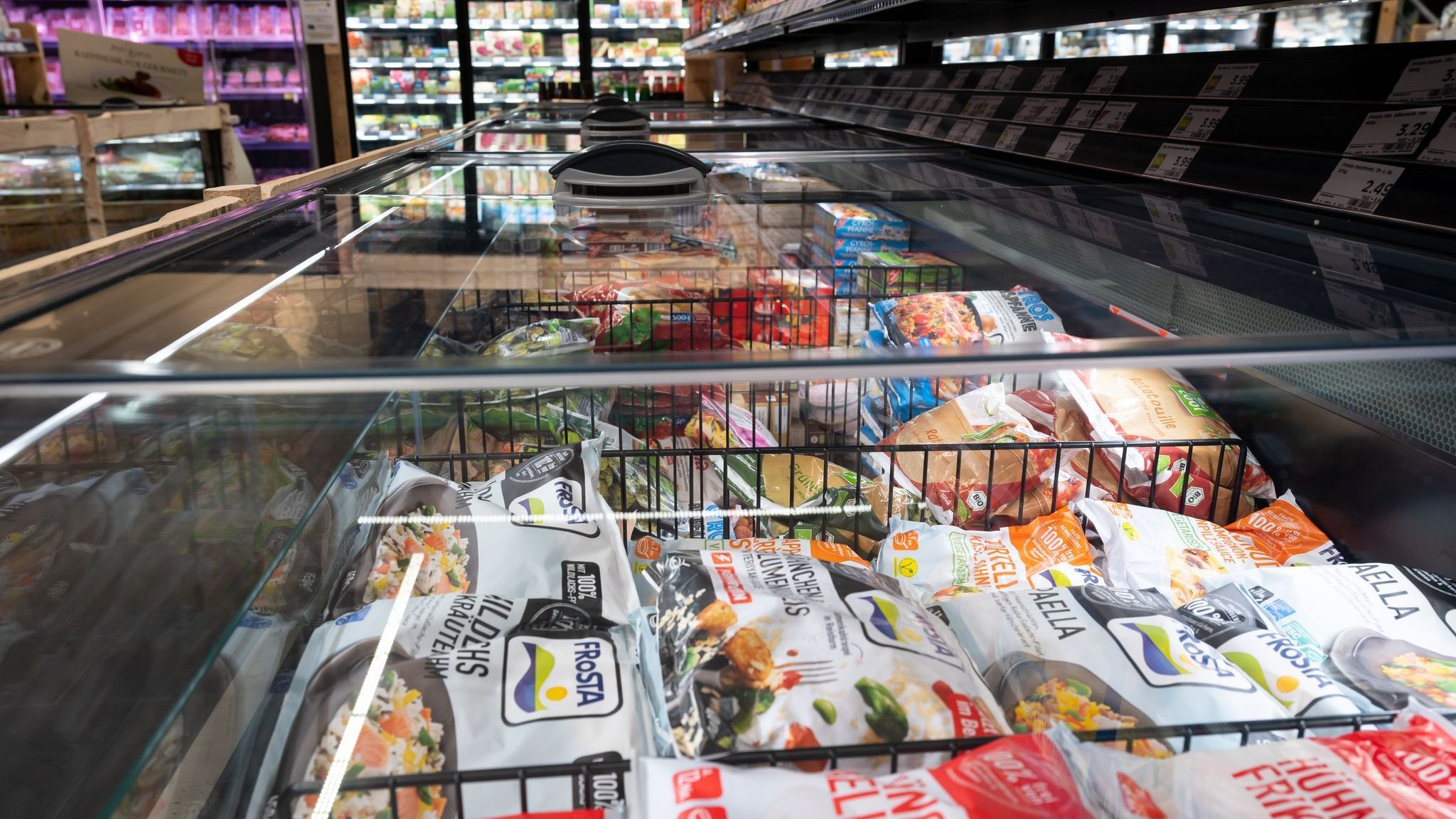
Behind the scenes, the technical reality unfolded differently but with equal severity. Store managers confirmed extreme temperatures and ruined inventory, while ICA acknowledged the incident as isolated to external networks. The hackers had remotely raised fridge temperatures to 70°C, effectively turning refrigeration units into ovens overnight. This wasn't a glitch or a power surge; it was a deliberate manipulation of the cooling systems. Dennis Vidal noted the futility of the situation: "Right now we are emptying the freezers, there is not much else to do. They are about to get cold again, but everything is ruined." The damage extended beyond the electronics, compromising the food itself.
While the initial disruption centered on Sweden, the scope of the threat quickly expanded geographically. By November 2, the attack extended to Belgium and Luxembourg, affecting similar retail infrastructure across the continent. Ahold Delhaize, the parent company of ICA and Coop, confirmed the disruption in Sweden, with Coop reporting six affected branches. The incident mirrored a large-scale attack in France last month, where hackers compromised refrigeration systems in hundreds of stores, causing food spoilage and fires. Gustaf Nilsson stated, "We are aware that a limited number of stores have been affected by an incident during the night that affects their refrigeration and freezing systems," suggesting the breach was contained but significant enough to warrant public acknowledgment.
The Swedish incident did not exist in a vacuum; it was part of a growing pattern of supply chain targeting.
The financial toll was calculated quickly after the initial chaos subsided. The company reported damages of hundreds of thousands of kronor, temporary store closures, and is working to restore operations while apologizing to customers. For the management teams in Skåne, Öland, and Stockholm, the loss was not just monetary but reputational. The connection between the hacked devices and the central network remained a point of investigation, though the company maintained that the affected stores' connections were outside ICA's central network.
The Swedish incident did not exist in a vacuum; it was part of a growing pattern of supply chain targeting. Similar IT disruptions were also reported at Ahold Delhaize stores in Belgium and Luxembourg. The French police were involved in investigating the broader wave of attacks, highlighting the international nature of the threat. In France, the impact was even more severe, with hundreds of supermarkets facing comparable challenges. The parallel between the Swedish heatwave and the French fire risk underscored a systemic vulnerability in how modern retail relies on connected hardware. It was not merely a matter of lost stock, but a failure of trust in the technology securing daily life.
As the weeks following the first day of November progressed, the focus shifted from emergency response to long-term recovery. The company apologized to customers and worked to restore operations. The path forward required careful monitoring of the refrigeration systems to ensure they would not overheat again. While the specific details of the hack remained classified, the lessons were clear. Now, the priority was ensuring the cold returned safely without repeating the mistake of letting the heat take hold.
Today, the immediate crisis has passed, but the shadow remains. The incident serves as a stark reminder of the risks embedded in our automated world. With the restoration efforts underway, the companies remain vigilant. The narrative of the attack is still being written, but the outcome is already known: the cost of cold was paid in full, and the resilience of the supply chain will be tested again soon. Until then, the lesson stands firm: when the digital controls fail, the physical consequences are real.