
For a long time, the concept of regime change in a modern democracy was treated as a theoretical abstraction. It was the stuff of political science textbooks, a slow, generational shift in power. But on October 22, 2026, that abstract concept was brought before the judges of the Delhi High Court as a concrete, urgent legal crisis. The plaintiff in this unusual case is Neha Bora, the president of the All India Students' Association, or AISA. She is not fighting for her personal freedom; she is fighting for the legal status of the words she and her organization have spoken. Her argument is simple, and it is the one she made in open court: there is nothing wrong in calling for a regime change in a democracy. This is not a statement of intent to seize power by force; it is a claim of political speech. The court is now the arbiter of whether that speech is protected, or if it has crossed a line into sedition.
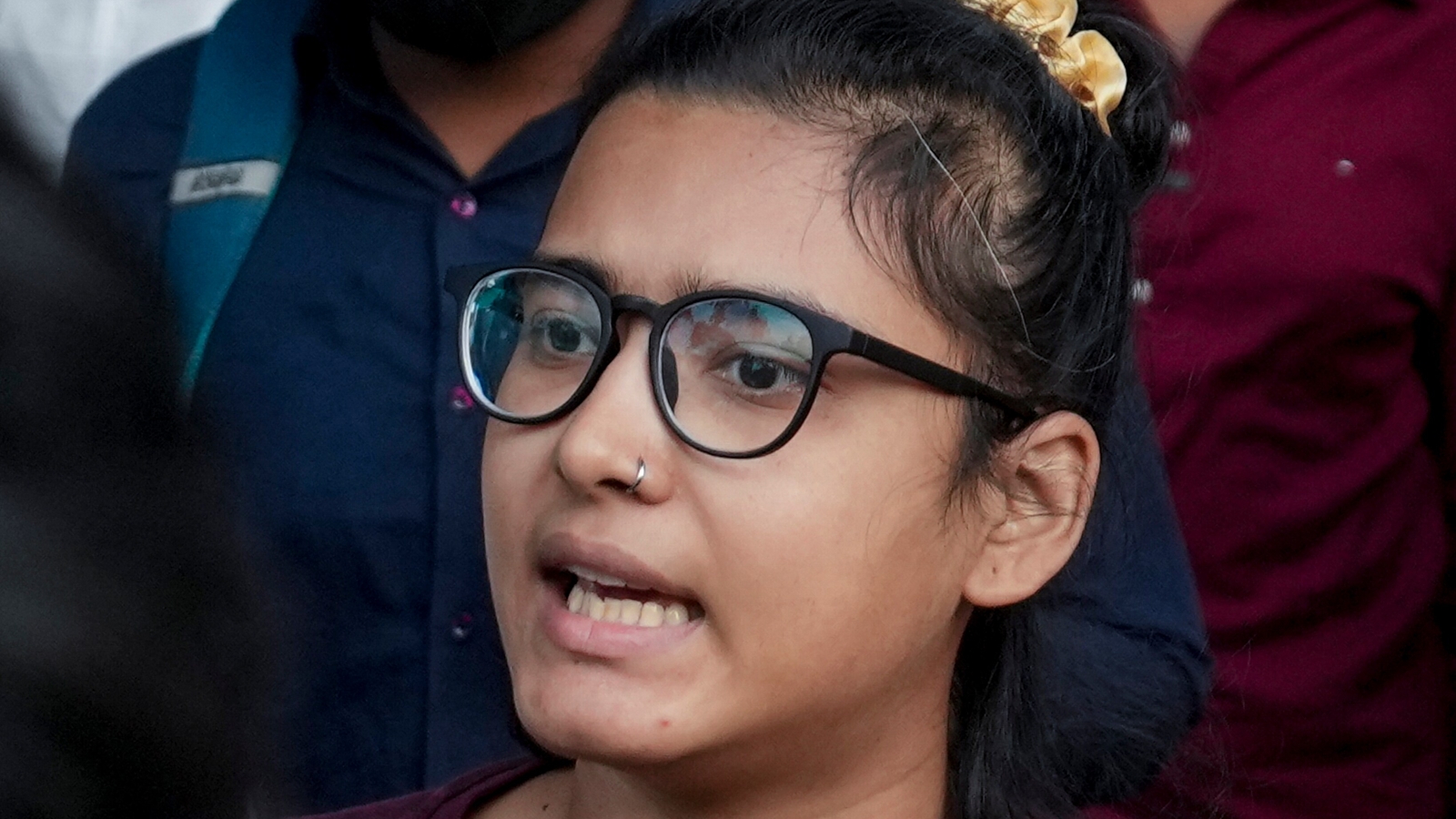
The legal action that brought Bora to the court did not begin in the courtroom, but on the streets of New Delhi. On October 22, 2026, Bora was detained by the Delhi Police during a protest. The detention was not, however, for the protest itself, but for a specific category of demand made during it. In the days that followed, the Delhi Police issued a series of First Information Reports, or FIRs, documenting what they claimed were repeated violations of law by Bora and her associates. The police argued that the protests were not merely political dissent, but were inciting public disorder through calls for a fundamental change in the government. This characterization turned a political disagreement into a criminal matter, leading directly to the peace-bond notice that is the subject of the high court case.
Fighting Bora's case is the Additional Solicitor General, Chetan Sharma, who represents the interest of the state. His argument is a classic defense of the democratic process. Sharma told the court that regime change is a legitimate goal, but only if it is achieved through the one person, one vote system. He used the phrase "lumpen elements" to describe the protesters, a term from classical political theory that refers to a disorganized, amorphous mass of people with no clear agenda or leadership. In his view, Bora's movement fits this description, and its demands are therefore not protected speech but threats to public order. He stated clearly that regime change will happen by votes, not by such elements congregating in New Delhi. For the state, the law is not a tool for political change; it is a shield for the existing political order.
If the police can criminalize that demand, the entire democratic system is under threat.
Bora's legal team countered with a vision of democracy that is far more dynamic than the state's. Her lawyer argued that the peace-bond notice is completely invalid and illegal. The central claim is that the police are misusing a legal instrument meant to maintain public order to silence a legitimate political voice. To support this, the lawyer made the bold statement that there is "nothing wrong" in calling for regime change in a democracy. In her view, the right to demand a change of government is the highest expression of democratic freedom. If the police can criminalize that demand, the entire democratic system is under threat. This argument places Bora not as a criminal, but as a defender of the democratic principle itself.
As the arguments concluded, the court did not hand down its judgment on the spot. Instead, the presiding judge, Subramaniyam Prasad, reserved his order. When asked for a timeline, he gave a precise and unusual one. "I will deliver the order in the morning around 6," he said. This was a promise of a quick ruling, suggesting the judge felt he had enough information to make a decision without needing to sit on the case for weeks or months. The 6 a.m. deadline added a layer of urgency to the outcome, meaning the legal status of Bora's political speech would be determined before most of the country had even started its day.
The outcome of this case will not just set a precedent for Neha Bora. It will define the boundary between political protest and criminal sedition for all of India's student and civil society organizations. The framing of the case has already hardened the lines between the two sides. The Delhi Police are not just critical of Bora; they are actively trying to dismantle her ability to organize. AISA, for its part, has moved from a position of neutral political actor to one of critical opposition to the state. This is no longer about one protest; it is about the future of political opposition in the country. The court's decision will signal whether the state will treat such demands as a threat to its stability or as a legitimate part of the democratic conversation.
As of the end of the hearing, the decision is not yet known. The court has reserved its order, and the country is waiting for the 6 a.m. ruling. This brief pause is where the entire future of the case hangs in the balance. For Bora, it is a question of her personal freedom and her right to speak. For the Delhi Police, it is a test of their authority to control the public sphere. And for the democratic system, it is a test of its resilience. The story of Neha Bora is no longer just a legal case. It is a symbol of a struggle over who gets to decide the future of the country, and whether the tools of political change are the ballot box or the court's gavel.
