
On October 10, 2026, during a Sacramento Kings practice, Ben Simmons suffered a torn right Achilles tendon. The injury happened in a live drill, and initial reports suggested the Achilles had been torn. The timing was stark: the regular season was set to begin just days later, and Simmons had been preparing for what was meant to be a promising comeback after missing the entire 2025‑26 campaign.
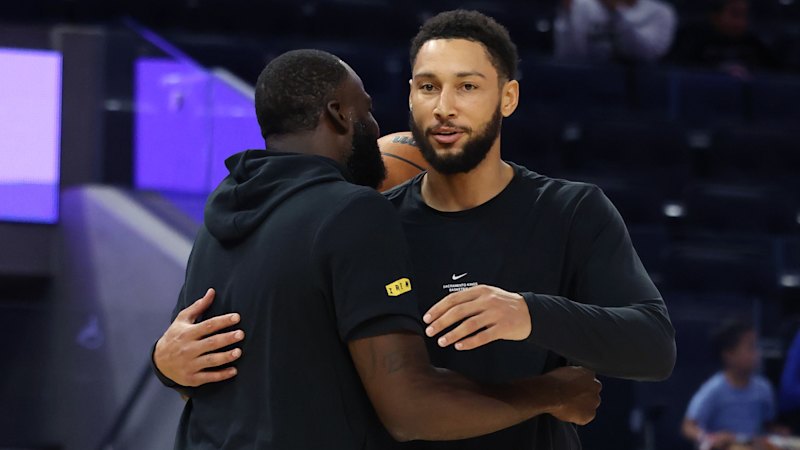
An MRI conducted shortly after the practice confirmed the tear, ruling Simmons out for the full 2026‑27 NBA season. The medical conclusion turned a hopeful preseason into a definitive setback.
Simmons had signed a one‑year contract with the Kings during the offseason, a deal intended to give him a fresh start and the team a versatile piece. The agreement was for a single season, placing extra pressure on both player and franchise to make an immediate impact. Instead, the contract will go unfulfilled as the injury sidelines him for its entirety.
The 2025‑26 season was already lost to Simmons due to multiple back surgeries, which kept him off the floor for the whole year.
Before the injury, Simmons’ résumé included being selected first overall in the 2016 NBA Draft by the Philadelphia 76ers. He earned three All‑Star selections and had established himself as an elite defender and playmaker, qualities that had made him a cornerstone prospect early in his career. Those accolades now sit alongside a recent history of injuries that have limited his time on the court.
The 2025‑26 season was already lost to Simmons due to multiple back surgeries, which kept him off the floor for the whole year. That absence followed a pattern of persistent injuries that disrupted his trajectory after his early All‑Star years. The Achilles tear adds another layer to a career marked by rehabilitation rather than consistent production.
With Simmons out, the Kings face the challenge of replacing his size, passing ability, and defensive versatility. He had been expected to play a meaningful role in Sacramento’s rotation and to contribute to the team’s rebuilding process, potentially boosting their playoff chances. The loss of a player who could fill multiple roles leaves a gap in both the starting lineup and the bench depth.
The organization must adjust its plans without the veteran forward, while Simmons begins another rehabilitation process. The immediate focus shifts to how Sacramento will adapt its roster and strategy in the absence of a player who was once viewed as a franchise‑changing talent.
