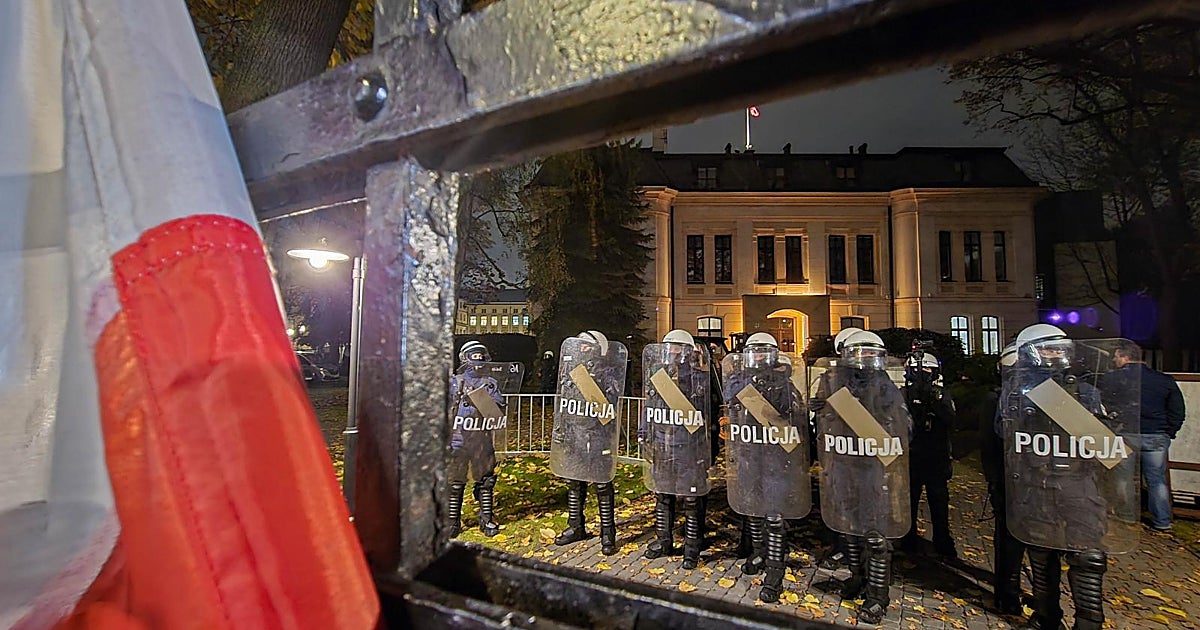
On October 30, 2026, the political landscape in Poland shifted violently as the Constitutional Tribunal became the epicenter of a national crisis. The day began with a dramatic escalation: the government moved to remove the head of the Constitutional Tribunal, Bogdan Svenchkovsky, alongside his deputy. This move, which sent shockwaves through the capital, was immediately followed by a heavy police presence surrounding the tribunal building. By the time the sun had reached its zenith, the area had become a flashpoint for civil unrest, with violent protests erupting outside the court’s gates as citizens and activists clashed with the security cordon.
The government, led by Prime Minister Donald Tusk, framed the move as a necessary step to restore the rule of law. Tusk defended the administration’s actions, stating, "restoring the law is a process that requires decisive action." However, the opposition party, Law and Justice (PiS), viewed the suspension not as a legal correction, but as a direct assault on the judiciary. They labeled the government's maneuvers a "coup," setting the stage for a bitter, high-stakes confrontation over the legitimacy of the country's highest legal institutions.
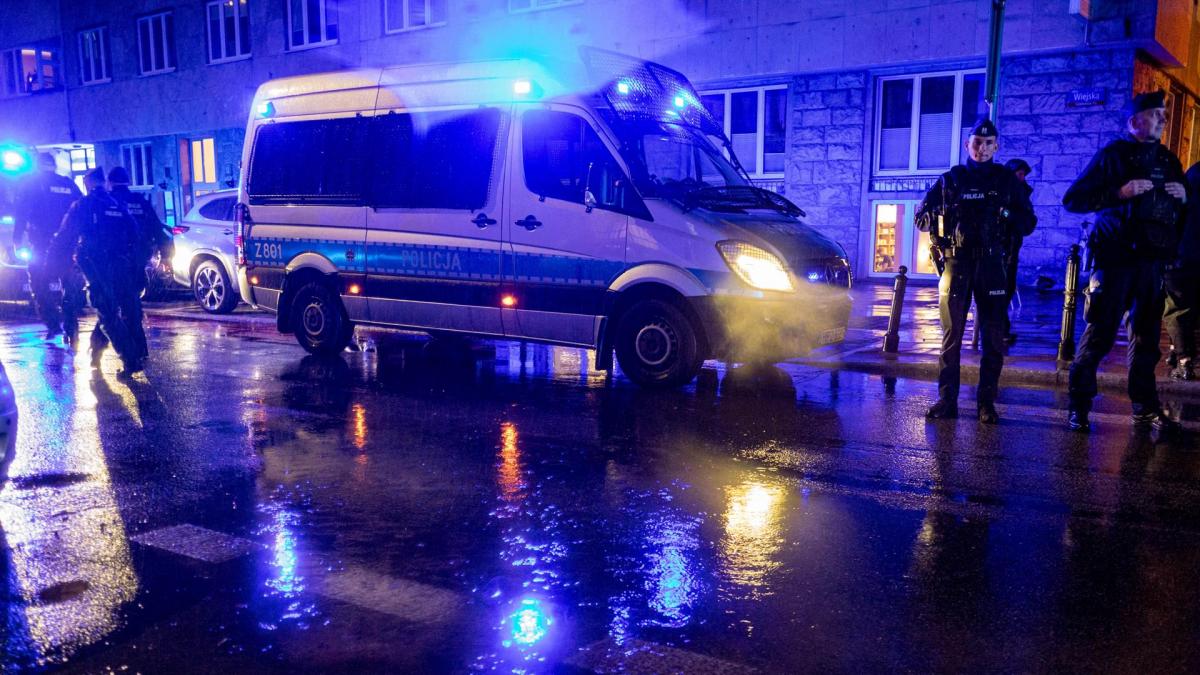
As the situation spiraled, the political fallout reached the highest office in the land. President Karol Narowski, who had been abroad on an official visit, was forced to cut his trip short. His return to Warsaw on October 30 signaled the gravity of the institutional breakdown. With police surveillance tightening around the court and reports of three individuals already detained during the mounting protests, the President moved to intervene. He convened an emergency meeting at the presidential palace, inviting Svenchkovsky and other judges to discuss the crisis and the encroaching instability.
His return to Warsaw on October 30 signaled the gravity of the institutional breakdown.
The atmosphere inside the halls of power was one of profound defiance. Despite the government’s attempt to strip him of his authority, Svenchkovsky maintained his position, claiming that the official website of the court had been seized illegally. "We are still the president and vice president," he asserted, signaling that the battle for the court was as much about narrative and control as it was about legal procedure. Meanwhile, opposition leader Jarosław Kaczyński arrived personally at the Constitutional Court, a move that underscored the intensity of the standoff and the refusal of the opposition to accept the government’s new reality.
As of late October 30, the conflict between the government and the opposition remains unresolved. The presence of police around the tribunal serves as a stark visual reminder of the deep divisions currently paralyzing the state. For the government, the focus remains on what they describe as the restoration of legal order, while for the opposition, the events of the day represent a dangerous overreach of executive power. With the President now acting as a mediator between the suspended leadership of the court and the government, Poland finds itself in a precarious position, waiting to see if the rule of law can be salvaged from the wreckage of this political confrontation.