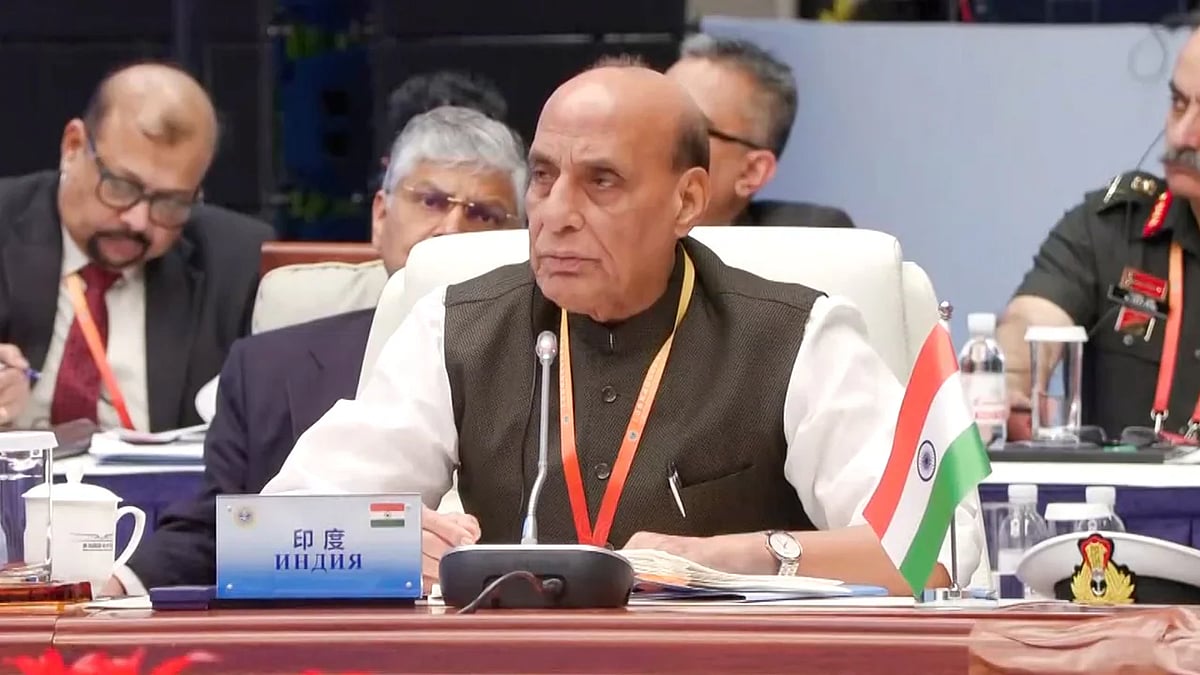
On 20 October 2026, the quiet streets of Dushanbe, Tajikistan, became the backdrop for a pivotal gathering of the Shanghai Cooperation Organisation (SCO). The 25th meeting of the SCO Council of Heads of Government convened leaders from across Central and South Asia, Russia, and China to discuss a range of security and economic challenges. Among the delegations, India’s Union Defence Minister, Rajnath Singh, took the podium, framing the day’s agenda around two intertwined threats: terrorism and the growing uncertainty that clouds the global economy.

He warned that “the entire ecosystem of terrorism must be firmly and collectively dismantled,” a phrase that resonated with the organisation’s long‑standing focus on counter‑terrorism cooperation. The call for a unified, uncompromising stance was underscored by his insistence on “No Double Standards on Terrorism,” a reminder that selective condemnation weakens the collective fight.

Happy to represent India at the 25th SCO Council of Heads of Government meeting at Dushanbe, Tajikistan today. The meeting took place in a warm & cordial atmosphere. India reassured the forum of its utmost commitment for regional peace, sustainable development and lasting stability. https://t.co/TDlRgTWiC9
He urged member states to translate consensus into “concrete action,” especially in the realm of economic stability. By linking security and economics, Singh positioned the SCO as a platform capable of addressing both the root causes of instability and its immediate fallout.
The SCO itself maintained a neutral tone in its official communiqués, acknowledging the importance of the issues raised without committing to a specific roadmap.
One of Singh’s most pointed statements centered on the need to “strengthen resilient supply chains, facilitate trade and investment, and leverage technology to drive development.”
India’s participation in the SCO, formalised only a few years ago, reflects a broader diplomatic calculus. By aligning with the SCO’s security agenda, New Delhi seeks to deepen ties with Central Asian neighbours and Russia, while also positioning itself as a responsible stakeholder in regional stability. Singh’s remarks on the “action plan for 2026‑2030 on the Multilateral Trade and Economic Cooperation Programme” signalled India’s willingness to back long‑term initiatives that go beyond the immediate meeting, reinforcing its supportive stance within the organisation.
The Dushanbe venue also provided an opportunity for Singh to discuss strengthening bilateral defence cooperation with the host nation. Such cooperation would dovetail with the broader SCO objective of securing its vast, often porous frontiers against extremist infiltration.
The SCO itself maintained a neutral tone in its official communiqués, acknowledging the importance of the issues raised without committing to a specific roadmap. This neutrality is characteristic of the organisation’s consensus‑driven decision‑making, where member states must reconcile divergent national interests. Nonetheless, Singh’s forceful language may act as a catalyst, nudging the SCO toward more decisive policy formulations in the months ahead.
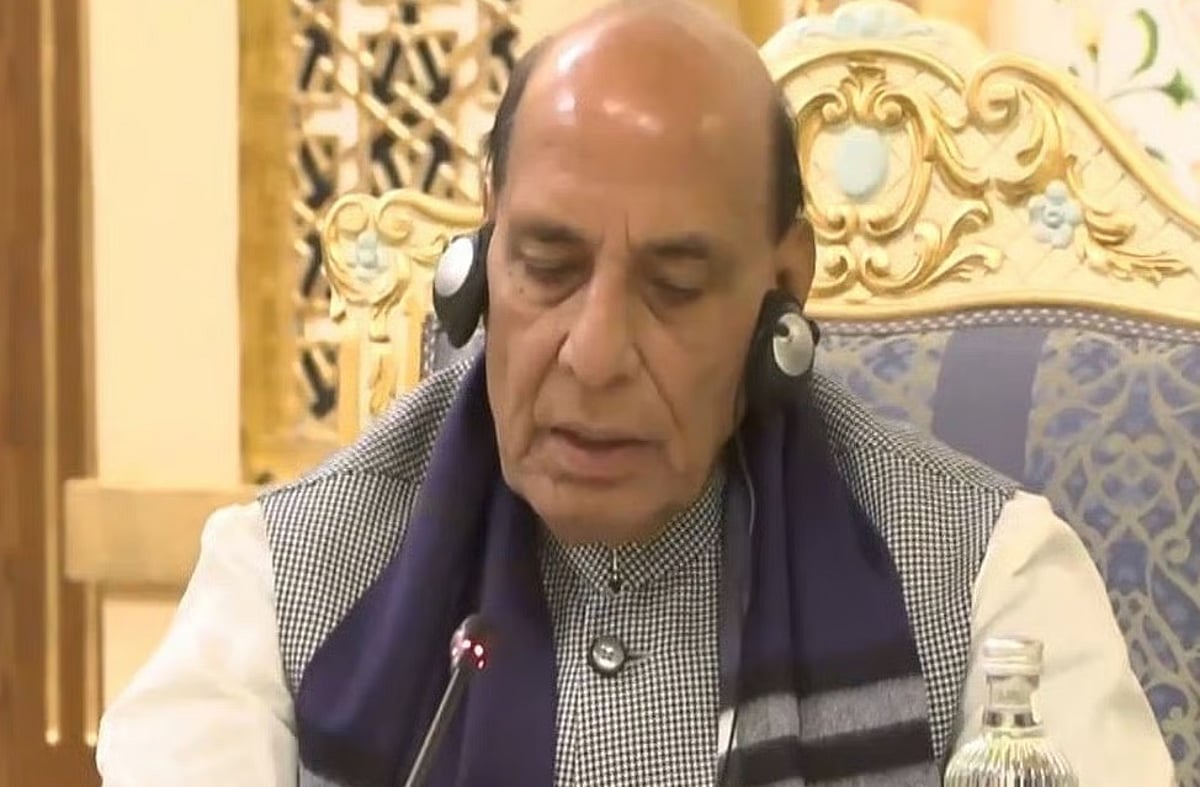
As the council adjourned, the lingering question was whether the SCO would move from discussion to implementation. Singh’s call for “concrete action” set a benchmark against which future meetings will be measured. If the organisation can marshal its collective resources to fortify supply chains, streamline trade, and eradicate terrorist networks, it could emerge as a stabilising force in a world where economic volatility and security threats are increasingly intertwined. For India, the Dushanbe address marked both a reaffirmation of its commitment to multilateral cooperation and a strategic push to shape the SCO’s agenda in ways that align with its own development goals.
The 25th SCO Council of Heads of Government may have concluded, but the issues Singh highlighted remain far from resolved. The next steps will depend on the willingness of member states to translate shared concerns into joint projects, whether that means joint infrastructure investments, coordinated counter‑terrorism operations, or harmonised regulatory frameworks. As the global economy continues to grapple with uncertainty, the SCO’s ability to act decisively could determine not only regional prosperity but also the broader trajectory of international security.