In the heart of the Ruhr, a steel plant’s furnaces have long belched black smoke into the winter air. Workers, accustomed to the rhythm of molten iron, now listen to a different kind of hum—one that promises a cleaner, quieter future. The shift is not just about technology; it’s about the livelihoods of thousands who have built their lives around the industry’s pulse.
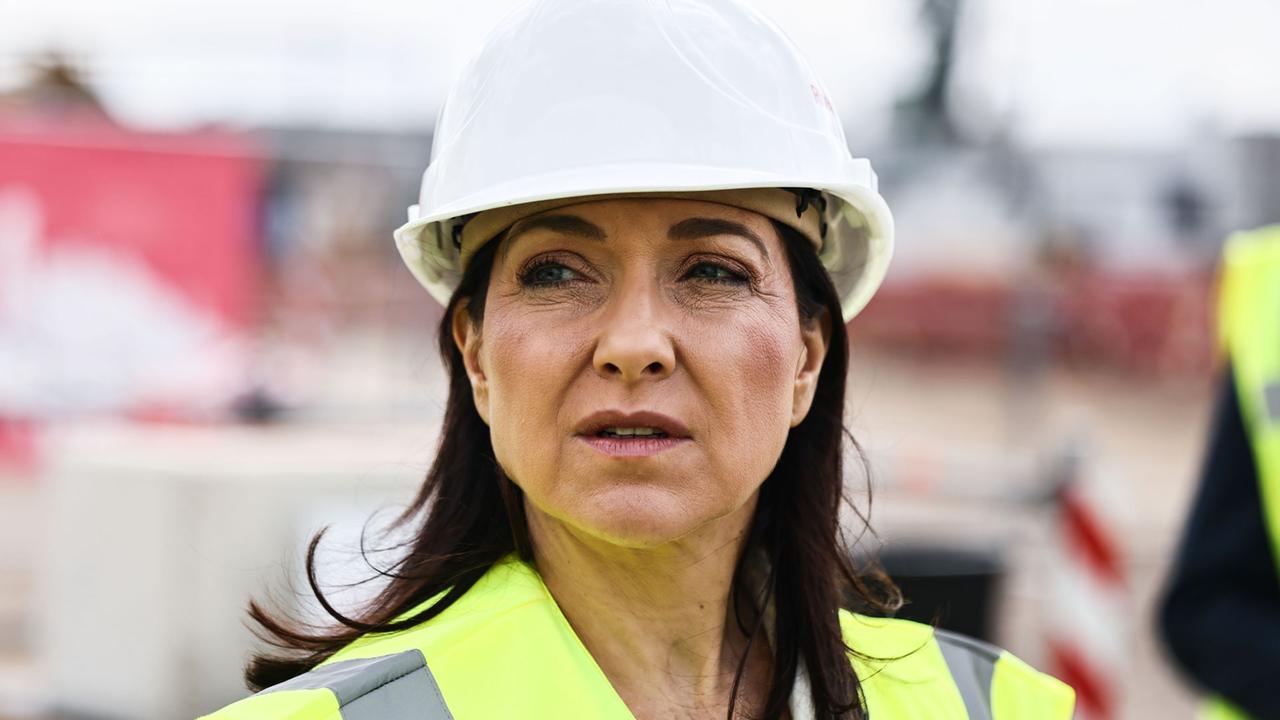
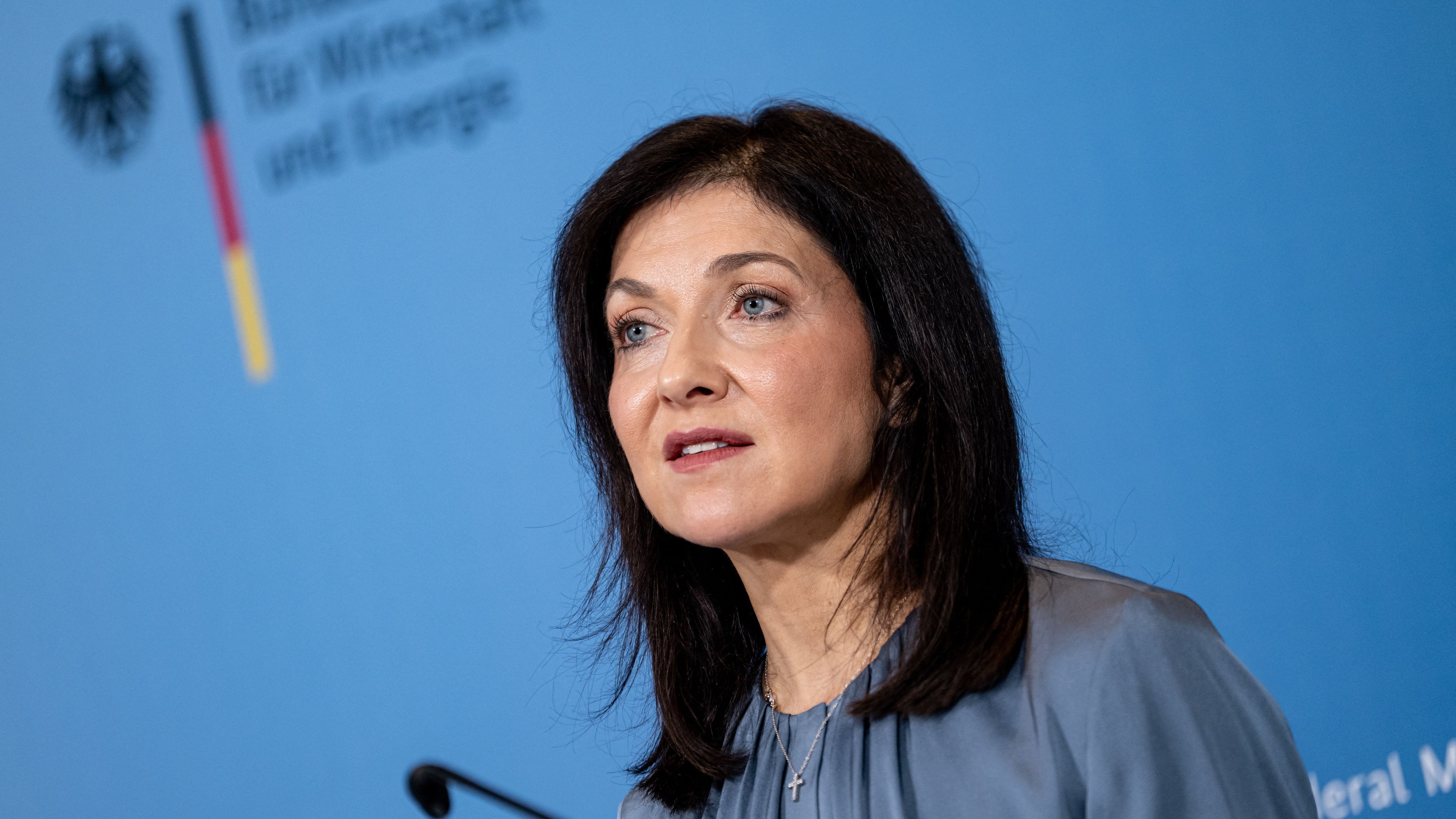
On 2026‑10‑19, Bundeswirtschaftsministerin Katherina Reiche stepped onto the stage of the German Economy and Energy Ministry and unveiled a ten‑point plan to accelerate the hydrogen market. That same day she announced a €1.5 billion package aimed at supporting industrial companies in their transition to hydrogen. The package was designed to address the high costs of renewable or low‑carbon hydrogen and to stimulate demand for green steel.
Renewable and low‑carbon hydrogen still carries a price tag that dwarfs that of fossil alternatives. The German government acknowledges that without intervention the market will remain sluggish, and by injecting capital and creating incentives the plan seeks to bridge the gap between the current cost of green hydrogen and the cheaper, but environmentally damaging, fossil fuels.
The plan sets an ambitious target: expanding the hydrogen infrastructure network to over 2,200 kilometres by 2025.
Central to the plan is a €1.5 billion fund dedicated to industry, which will provide financial support through carbon contracts, allowing companies to share the cost of transitioning to hydrogen. The initiative also earmarks an initial budget of 4 GW for hydrogen projects, signalling a commitment to scale up production quickly.
One of the most tangible steps in the package is the support for converting gas‑fired power plants into hydrogen‑powered units. By repurposing existing infrastructure, Germany can reduce the time and capital required to build new hydrogen facilities. This approach cuts costs and leverages the country’s existing energy landscape.
The plan sets an ambitious target: expanding the hydrogen infrastructure network to over 2,200 kilometres by 2025. A robust network is essential for transporting hydrogen from production sites to industrial users and for ensuring the reliability of the supply chain.
Reiche’s ten‑point plan goes beyond funding. It includes measures to foster hydrogen use through cost‑sharing contracts and to push for less rigid criteria at the EU level. By easing regulatory hurdles, the plan aims to create a more flexible environment for hydrogen projects, encouraging private investment and speeding up deployment.
Today, the German government stands at the crossroads of fossil reliance and clean ambition. With a €1.5 billion package and a clear roadmap, it is attempting to turn the hydrogen market from a slow‑moving concept into a competitive industry. The success of this initiative will hinge on how quickly the promised infrastructure can be built and how effectively the high costs of green hydrogen can be reduced.
The journey from policy to practice is long. Yet the German government’s commitment signals a willingness to invest heavily in a future where hydrogen fuels industry and reduces emissions. If the ten‑point plan delivers on its promises, it could set a precedent for other nations grappling with the same transition.