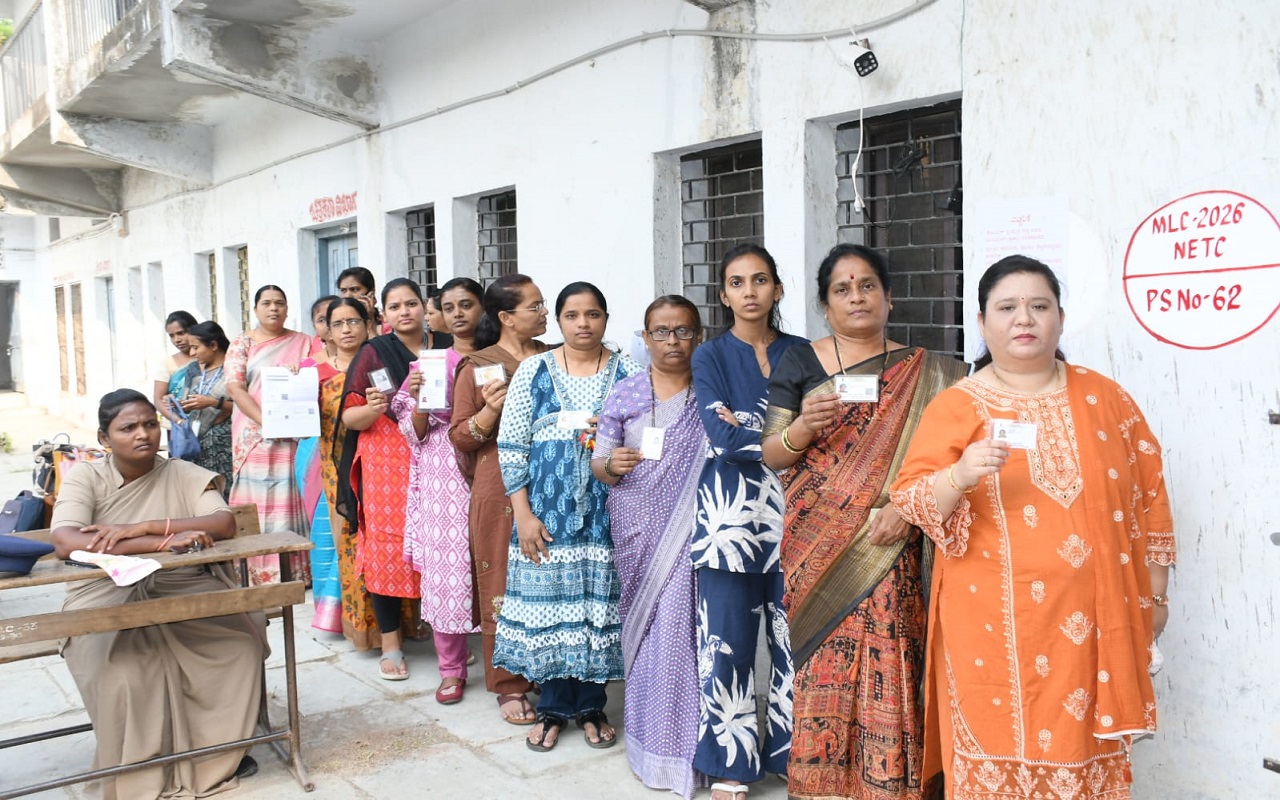
On a crisp morning in Karnataka, the hum of anticipation rose above the corridors of 144 schools scattered across eleven districts. From the bustling streets of Belagavi to the quieter classrooms of Yadgir, teachers gathered not as educators but as voters, tasked with shaping the next generation of their profession. The election, slated for a single day, unfolded over ten relentless hours, a testament to the logistical choreography required to synchronize thousands of ballots across a region as diverse as the state itself.

When the final ballot box was sealed, the tally revealed a staggering 34,784 positions filled. The sheer scale of the exercise dwarfs typical local elections, reflecting both the size of Karnataka’s public‑school system and the ambition of a state eager to professionalize its teaching workforce. Of the participants, 2,960 were men and 1,740 were women, a gender breakdown that underscores ongoing efforts to broaden representation within the classroom hierarchy.
The election spanned districts that together form the eastern educational backbone of Karnataka: Belagavi, Vijayapura, Bidar, Kalaburagi, Yadgir, Koppara, Raichur, and Bellary. Each district contributed its share of polling stations, turning schools into civic arenas where teachers cast votes for their peers during a coordinated effort across this swath of the state, illustrating how regional education policy can be mobilized through a single, focused event.
This empowerment, however modest in the grand scheme, may ripple outward, influencing how educators perceive their role within the public system.
In India’s federal structure, education is largely a state responsibility, and Karnataka has long been a laboratory for reforms aimed at improving teacher quality. By filling tens of thousands of positions through a transparent electoral process, the state signals a commitment to merit‑based appointments rather than the patronage that has historically colored public‑sector hiring. The rapid, ten‑hour window also demonstrates an administrative capacity to conduct large‑scale elections without protracted delays, a factor that could inspire similar initiatives in other sectors.
Beyond the statistics, each ballot represented a personal stake. For the 2,960 male teachers and 1,740 female colleagues who stepped into the voting room, the act was both a civic duty and a professional milestone. Their participation reflects a broader cultural shift: teachers are no longer passive recipients of assignments but active architects of their career trajectories. This empowerment, however modest in the grand scheme, may ripple outward, influencing how educators perceive their role within the public system.
The election concluded on the same day it began, fulfilling the promise to wrap up the process by day’s end. The immediate outcome—a fully staffed slate of teachers—positions Karnataka to address classroom needs and elevate instructional standards. As the newly elected teachers assume their posts, the state’s education administration will likely monitor the impact of this unprecedented hiring surge, setting benchmarks for future recruitment drives.
The democratic process in Karnataka's educational sector reflects the dedication of the participants across the region. Teachers continue to engage enthusiastically in casting their votes, ensuring that the 144 schools across the eleven districts complete the elections successfully within the designated timeframe.