
At the Warsaw Security Forum, NATO’s supreme commander took the stage and delivered a stark message to Moscow. General Alexus Grynkewich warned that any aggression against the Alliance would be met with fierce resistance and would prove utterly futile. He told the audience that if someone were foolish enough to attack NATO, the Alliance would fight, stop the attack and deny the aggressor the ability to achieve its objectives. In his remarks, he emphasized the importance of clear messaging on red lines and swift attribution of blame for hostile acts, including hybrid warfare, sabotage, and cyberattacks.
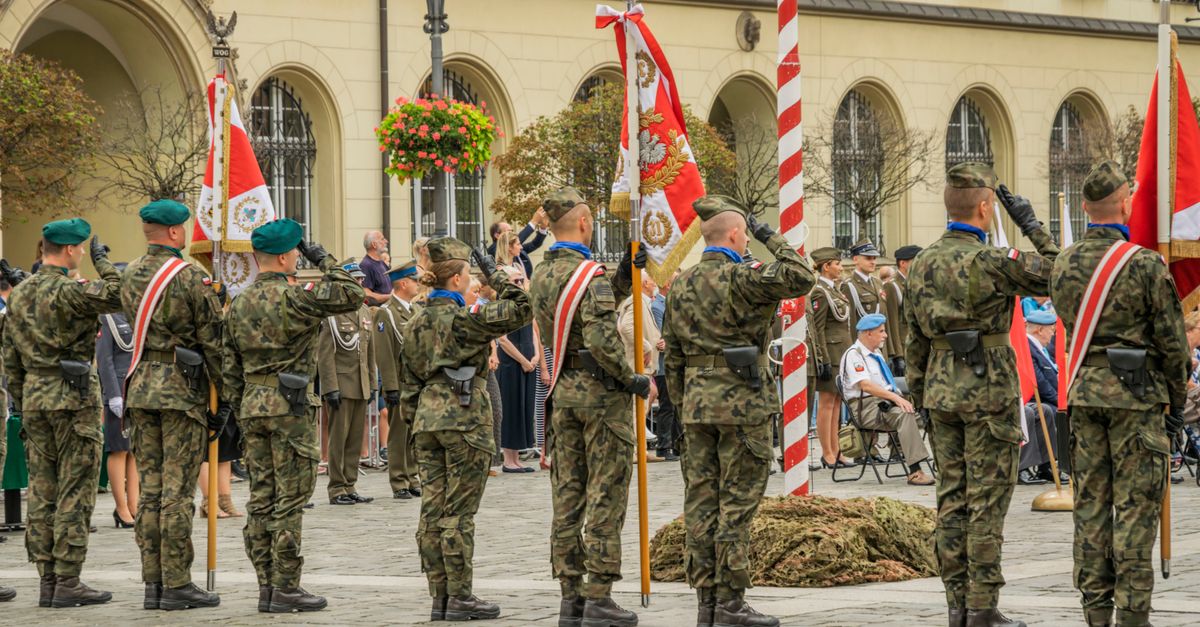
General Grynkewich announced NATO’s new strategic concept, dubbed the "Theory of Victory." The doctrine rests on three pillars—block, attenuate and break—and is intended to move the Alliance from a posture of deterrence on its eastern flank to a proactive response that would repel a Russian incursion. He explained that the idea is rooted in a denial-defense concept whose purpose is to stop any adversary from gaining a foothold on Alliance territory. In plain terms, the plan calls for first blocking the initial attack, then attenuating any continued assault to prevent enemy advance, and, if necessary, breaking the enemy forces and their combat systems. He noted that the finer details of the plan remain classified for security reasons.
Until now, NATO’s approach has centered on deterrence along its eastern flank. The Theory of Victory marks a step beyond that posture, aiming to actively reject an attack should it occur. Despite the shift in tone, NATO officials maintain that the Alliance remains a defensive organization.
According to NATO sources, the proposal has been the subject of discussion for about three months in classified forums.
The Theory of Victory did not emerge overnight. According to NATO sources, the proposal has been the subject of discussion for about three months in classified forums. The classified nature of the debates means that much of the deliberation is not public, but the outcome was presented openly at the Warsaw forum.
On the same day, the European Union took its own measure against Moscow. EU foreign ministers added nearly 1,600 new names to the sanctions blacklist. This move represents a significant expansion of the sanctions list.
Throughout his remarks, General Grynkewich sought to lower the temperature by repeating that he does not assess a conflict to be imminent or inevitable. In his words, "Let me make one point very clear: I do not assess that conflict is imminent or inevitable. It isn’t."