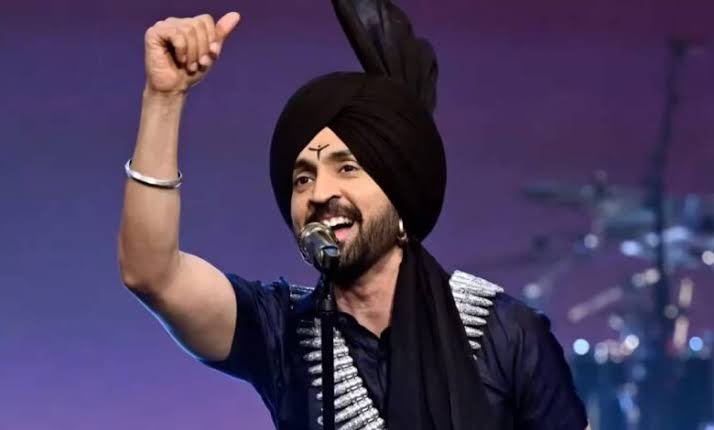
For fans across India, the name Diljit Dosanjh is synonymous with high-energy performances and a deep connection to his audience. His 'Oura India Tour' was meant to bring that electricity to the Jawaharlal Nehru Stadium in Delhi, promising a night of music amidst the city's vibrant atmosphere. But as the dates approached, the music stopped before it could even begin. The concert, scheduled for October 30, has been denied permission by the Delhi Police, leaving a void where a massive celebration was supposed to be.
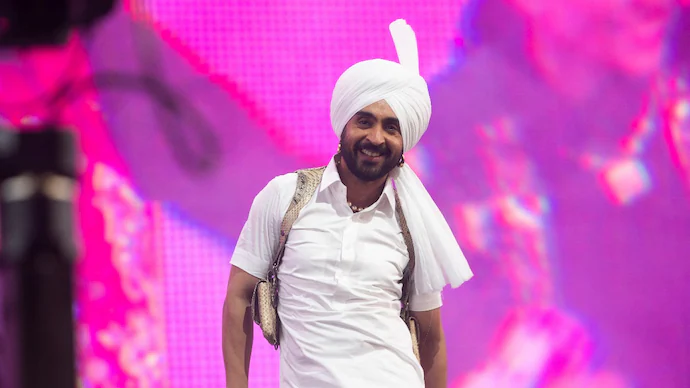
The decision to deny permission arrived with a definitive weight, effectively canceling the Delhi leg of the tour. The Delhi Police cited security concerns as the primary driver for the refusal, noting that the upcoming festive season and various legal issues necessitated a more cautious approach to large-scale public gatherings. This decision comes at a time when security protocols have been under intense scrutiny, particularly following the Tiger Shroff incident in Mumbai, which has heightened the sensitivity of law enforcement regarding massive crowds.
As the city prepares for Deepavali and various winter festivals, the logistical burden on local authorities grows. The police have maintained that without proper permission, an event of this magnitude simply cannot be organized. There is a sense that the intersection of major celebrations and a high-profile musical event creates a complexity that the authorities are currently unwilling to navigate. For the fans who were counting down the days, the uncertainty is palpable; as of now, there is no clarity regarding whether the concert will be rescheduled or if those who sought tickets will receive refunds.
The singer has a reputation for being vocal on social and political issues, having spoken up for farmers during their protests at the border.
To understand the perspective of the authorities, one must look at the procedural requirements that govern such massive events. The police have not framed the denial as a personal strike against the artist, but rather as a matter of administrative and safety necessity. Jarnail Singh, an Assistant Police Inspector, provided insight into the logistical rigor required for such a feat, stating, "If permission was granted, it would have been done through a proper plan." This suggests that the denial is rooted in the inability to establish a security framework that meets the current standards required during this specific period.
However, the cancellation has not been viewed through a purely administrative lens by all. What began as a logistical hurdle has quickly evolved into a political debate. The decision has drawn sharp criticism from political leaders who see the denial as something more symbolic. Figures such as Abhijeet Dipke and Saurabh Bhardwaj have questioned the rationale behind the move, suggesting that the government may be reacting to the influence of the artist himself.

Diljit 'Cancelled': About Rules Or Rajniti? This concert is taking place at a time when our city is hosting festivals and an ongoing protest that could be taken up by protesters at any moment....Linking this concert's cancellation to politics is unfair: @CharuPragya It is very clear that Diljit Dosanjh is paying the price for speaking out against this government's policies, whether during the farmers' movement or any other movement: @drjoshipiyush speaks to @navikakumar
Much of this political friction stems from Dosanjh’s history of using his platform for more than just music. The singer has a reputation for being vocal on social and political issues, having spoken up for farmers during their protests at the border. He has also been a voice for students, alleging that they had faced police brutality. Because of this history of advocacy, his presence in the capital is viewed by some not just as entertainment, but as a gathering of people with shared social interests.
This intersection of celebrity and social activism is exactly what critics say is driving the police's caution. The political opposition has questioned whether the state is intimidated by the popularity of certain artists. Abhijeet Dipke, in a moment of pointed skepticism, asked, "Are concerts even scary?" This question encapsulates the tension between the police's stated mission of maintaining order and the critics' belief that the denial is an overreach fueled by political discomfort.

Diljit Dosanjh remembers Rahat Indori during his concert. Courageous under any circumstances. But he did it in Indore, that too after Bajrang Dal wanted his show cancelled. "Kisi ke baap ka Hindostan thodi hai." https://t.co/jmI9S2Ta8A
As it stands, the Jawaharlal Nehru Stadium will remain quiet on October 30. While the 'Oura India Tour' continues in other cities, the Delhi chapter has been abruptly closed. The fans are left in a state of limbo, caught between the official explanation of security and festive logistics and the political narrative of censorship. For now, the music remains unheard in the capital, and the debate over why the permission was withheld continues to grow louder than the songs themselves.