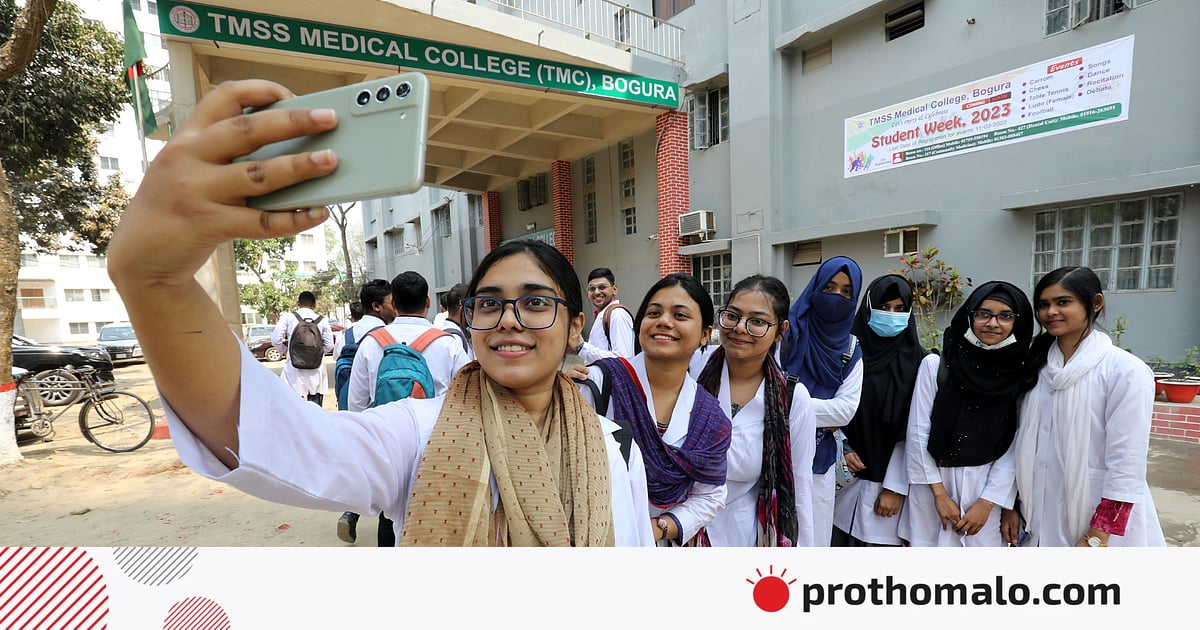
In the lecture halls and anatomy labs of Bangladesh's medical colleges, a quiet revolution is underway. Women now constitute an overwhelming 63% of all medical students across the country, fundamentally reshaping the future of healthcare in this South Asian nation. This dramatic shift isn't limited to just medicine—women also represent approximately 90% of total enrolments in nursing and midwifery programs, indicating a profound transformation in how Bangladesh trains its healthcare workforce.
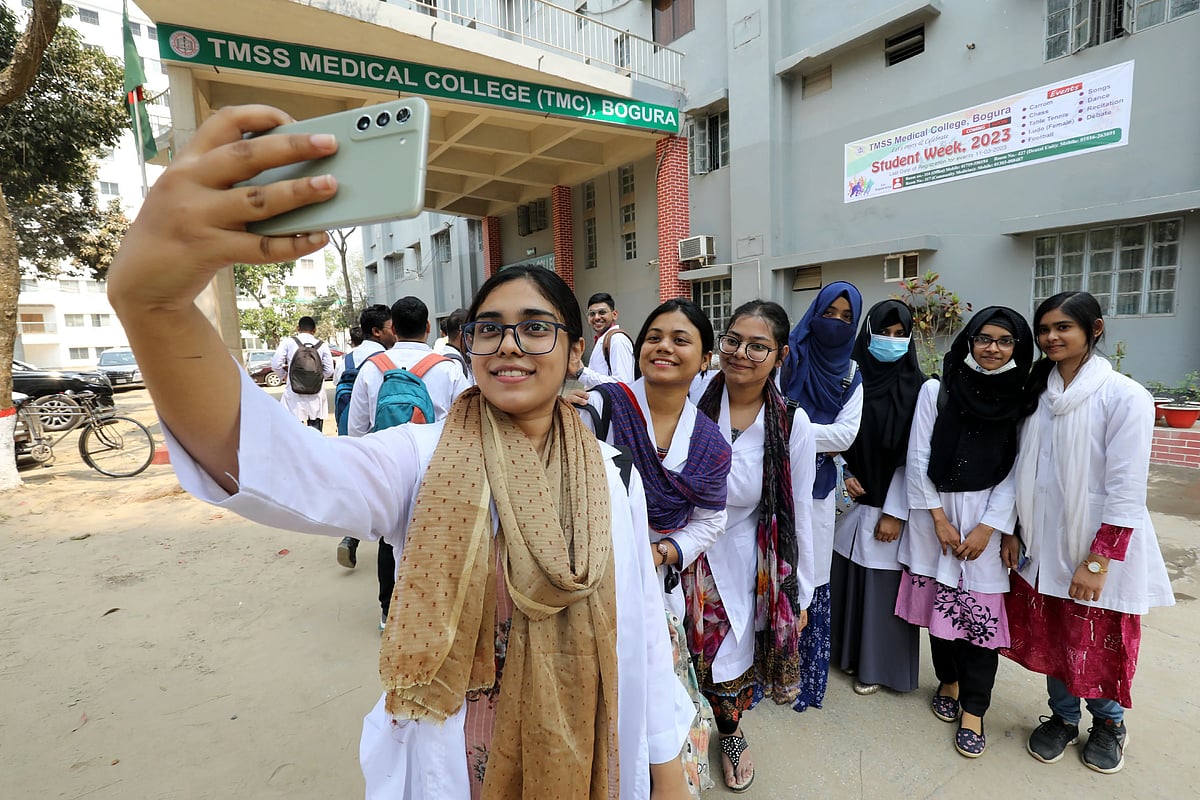
The statistics paint a clear picture of this gender transformation. Out of 51,313 students enrolled in medical colleges nationwide, 62.79% are female. This trend holds true across both public and private institutions, with women making up 61.57% of students in public medical colleges and an even higher percentage in private ones. These numbers aren't just anomalies—they represent a consistent pattern that has been developing over the past eight to ten years.
The gender disparity doesn't stop at the MBBS level. In dental education and nursing programs, women's participation is even more pronounced. This suggests a broader trend of women gravitating toward healthcare professions across the board. The question naturally arises: what has driven this remarkable shift in educational choices?
The changing demographics aren't just about enrollment numbers—they're also reflected in academic outcomes.
The changing demographics aren't just about enrollment numbers—they're also reflected in academic outcomes. Female graduates now consistently outnumber their male counterparts in MBBS examinations, indicating that women aren't just entering medical school in greater numbers but are also outperforming their male peers academically. This academic excellence has become a defining characteristic of the current generation of female medical students.
Despite their dominance in medical education, women's representation in government service remains disproportionately low. This creates an intriguing paradox: while women are becoming the face of medical education in Bangladesh, they aren't yet equally represented in the public healthcare workforce that serves the nation's population.
The 39th (Special) BCS examination offers a telling snapshot of this complex dynamic. In this crucial civil service examination for physician recruitment, 47% of the recommended candidates were female. While this represents significant female participation, it's notable that women comprised 56% of the applicant pool, suggesting that while women are well-represented in the applicant pool, their ultimate selection rate doesn't fully match their educational dominance.
This gender transformation didn't happen overnight. The trend of increasing female enrollment in medical education has been steadily developing over the past eight to ten years. What began as a gradual shift has now become a new normal, with women not just participating but leading in medical education across Bangladesh.
As Bangladesh continues to develop its healthcare infrastructure, the growing presence of women in medical education promises to reshape how healthcare is delivered and perceived in the country. While challenges remain in translating educational parity into professional equality, the current generation of female medical students represents a powerful force that will undoubtedly influence the future of healthcare in Bangladesh for decades to come.