
In the complex landscape of French politics, the line between protected speech and criminal conduct is often thin, and rarely has that boundary been more sharply drawn than in the case of Rima Hassan. A member of the European Parliament, Hassan now finds herself at the center of a legal storm that traces its origins back to a digital artifact: a post on the social media platform X, published on March 26, 2026. The post, which has since been deleted, contained a quote from Kozo Okamoto, a figure whose name is inextricably linked to one of the most harrowing chapters of 20th-century militancy. On May 30, 1972, Okamoto participated in a brutal attack at Tel Aviv airport that resulted in the deaths of 26 people. By invoking his words, Hassan triggered a firestorm that would eventually move from the digital sphere into the halls of a Paris courtroom.
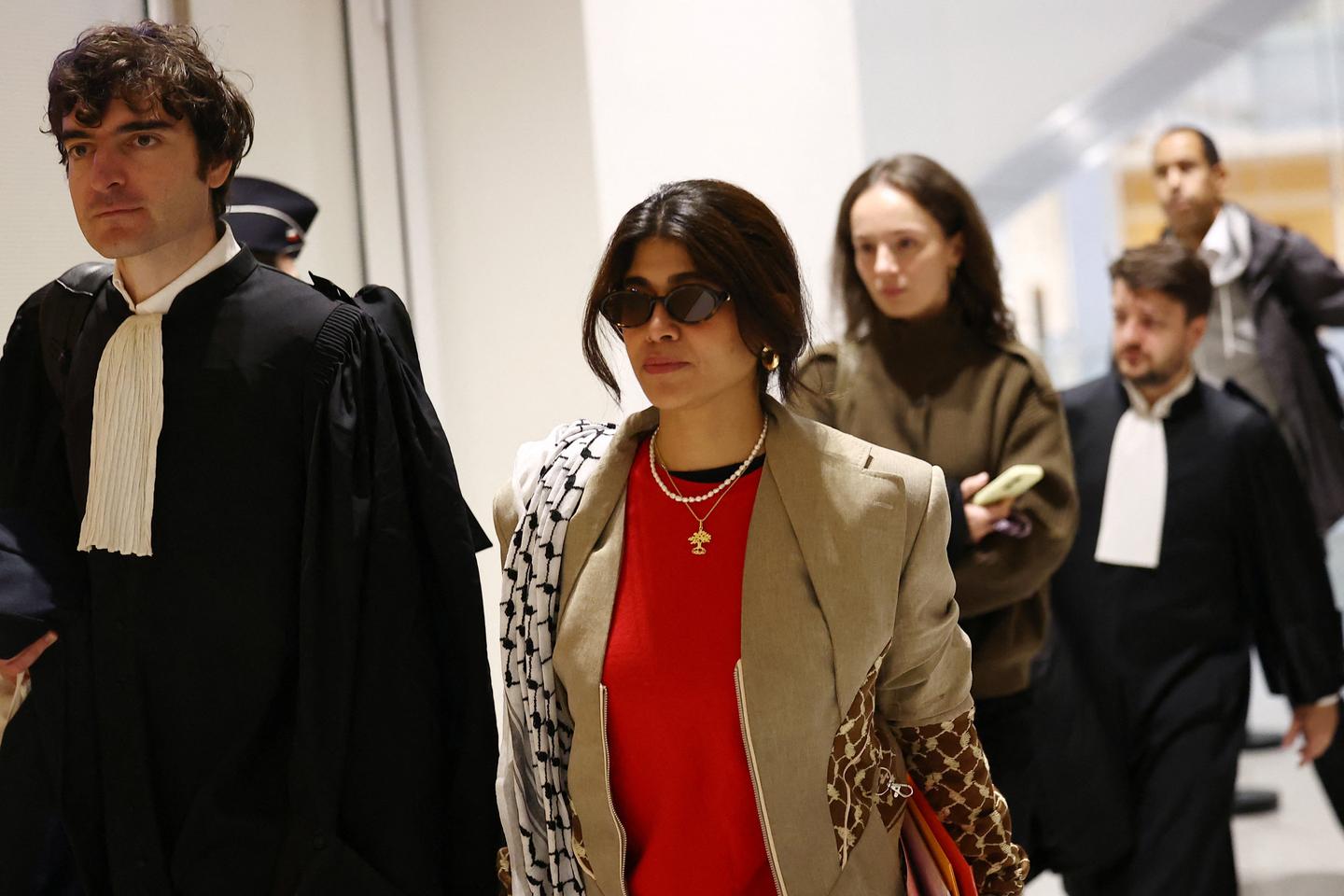
When the trial opened in Paris on October 18, 2026, the prosecution’s argument was stark and focused. They contended that Hassan’s decision to quote Okamoto was not merely an exercise in political commentary, but a deliberate act of "glorification of terrorism." In the eyes of the state, the post did more than reference a historical figure; it served to legitimize violence. Prosecutors argued that the content "trivialized the attack and praised its perpetrator," effectively crossing the threshold from protected political discourse into the realm of criminal incitement. For the authorities, the nature of the quote and the context in which it was shared left little room for ambiguity regarding the intent behind the message.

French prosecutors have requested a suspended prison sentence and ineligibility for Rima Hassan. The court has yet to rule. EJA reiterates: glorifying terrorism has no place in democratic debate. Judicial independence and due process must be respected https://t.co/Eey0krY3yt
For her part, Rima Hassan has maintained a defiant stance throughout the proceedings. She rejects the prosecution’s characterization of her actions entirely, framing the legal pursuit as a calculated maneuver designed to undermine her work. According to Hassan, the trial is "an attempt to intimidate her and silence an opposition lawmaker." This narrative of political persecution has been echoed by her supporters, including members of the La France Insoumise party, who view the charges as an effort to stifle a prominent voice of dissent within the European Parliament. Hassan’s defense rests on the assertion that her political identity and her role as an elected official are the true targets of this litigation.
They requested a 10-month suspended prison sentence for Hassan, a measure that would carry significant weight for a sitting legislator.
As the trial continued into its second day on October 19, 2026, the prosecution solidified their stance by detailing the specific penalties they deemed appropriate for the alleged offense. They requested a 10-month suspended prison sentence for Hassan, a measure that would carry significant weight for a sitting legislator. Perhaps more consequential to her political career, prosecutors also sought a two-year ban on holding public office. This request for an ineligibility period underscores the gravity with which the state views the charges; it is a move that, if successful, would effectively remove Hassan from the political arena for a substantial duration.
Despite Hassan’s insistence that the case is politically motivated, the prosecution has remained firm in its rejection of that claim. They have presented the trial as a straightforward application of French law regarding the glorification of terrorism, stripping away the political framing to focus on the content of the post itself. By refusing to engage with the defense’s narrative of intimidation, the prosecutors have kept the focus squarely on the legal implications of the 2026 post. They maintain that the law must be applied consistently, regardless of the defendant's political status or the potential political fallout of a conviction.
As the proceedings concluded for the week, the courtroom in Paris left the matter in a state of suspension. No ruling has yet been issued, leaving the future of Rima Hassan’s political career and the legal precedent of this case hanging in the balance. The trial has become a focal point for broader questions about how modern democracies handle the intersection of social media, historical memory, and the legal definition of terrorism. For now, the case remains a stark reminder of the volatility inherent in political speech, as the court prepares to decide whether Hassan’s words constitute a criminal act or a protected, albeit controversial, expression of opinion.