In the bustling streets of Istanbul, a new criminal organization was making waves. Known as the Dalton gang, this group had found a unique way to operate: they used social media to recruit and direct potential criminals. Their leader, Beratcan Gökdemir, was believed to be based in Russia, coordinating attacks from afar. The Dalton gang's methods were both chilling and innovative, leveraging the power of online platforms to orchestrate violence and crime.
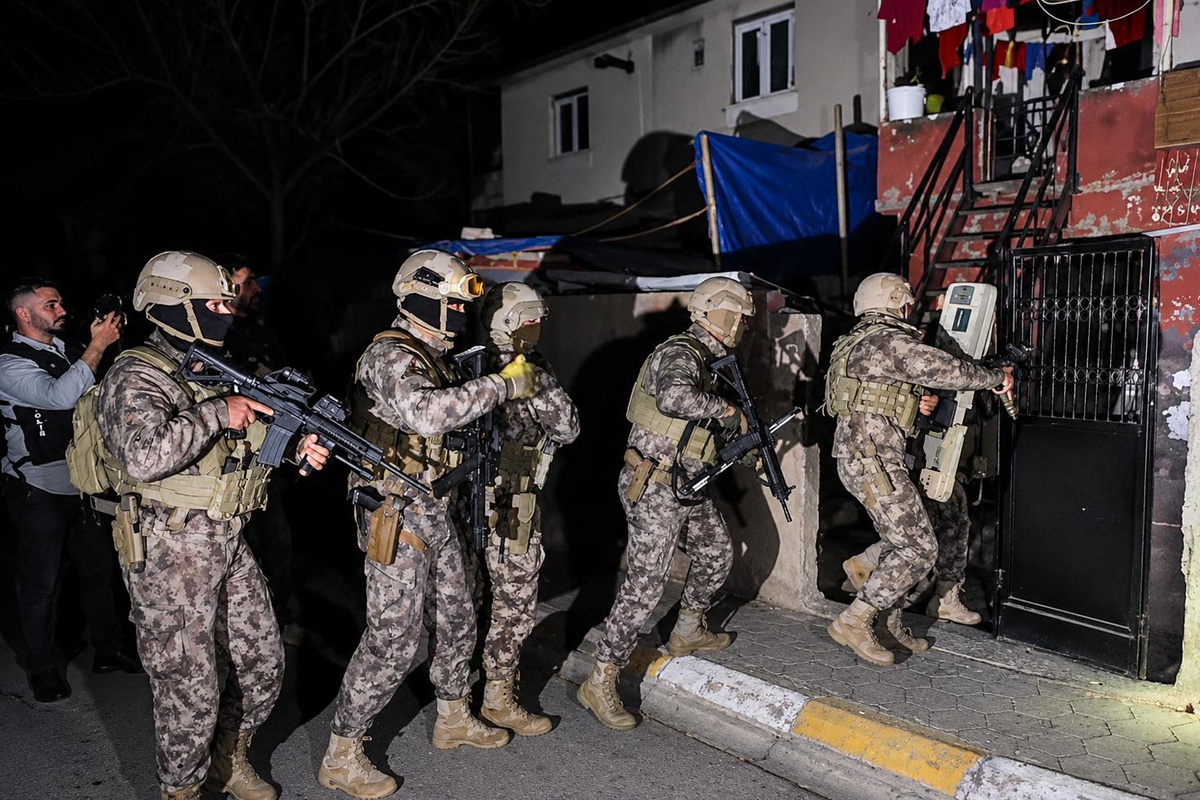
On October 27, 2026, the Istanbul Public Prosecutor's Office's Organized Crime Struggle Directorate launched a large-scale operation against the Dalton gang. The operation, involving 30 cities across Turkey, was meticulously planned and executed. The Istanbul Intelligence Directorate provided crucial support, ensuring that the operation was both coordinated and effective.
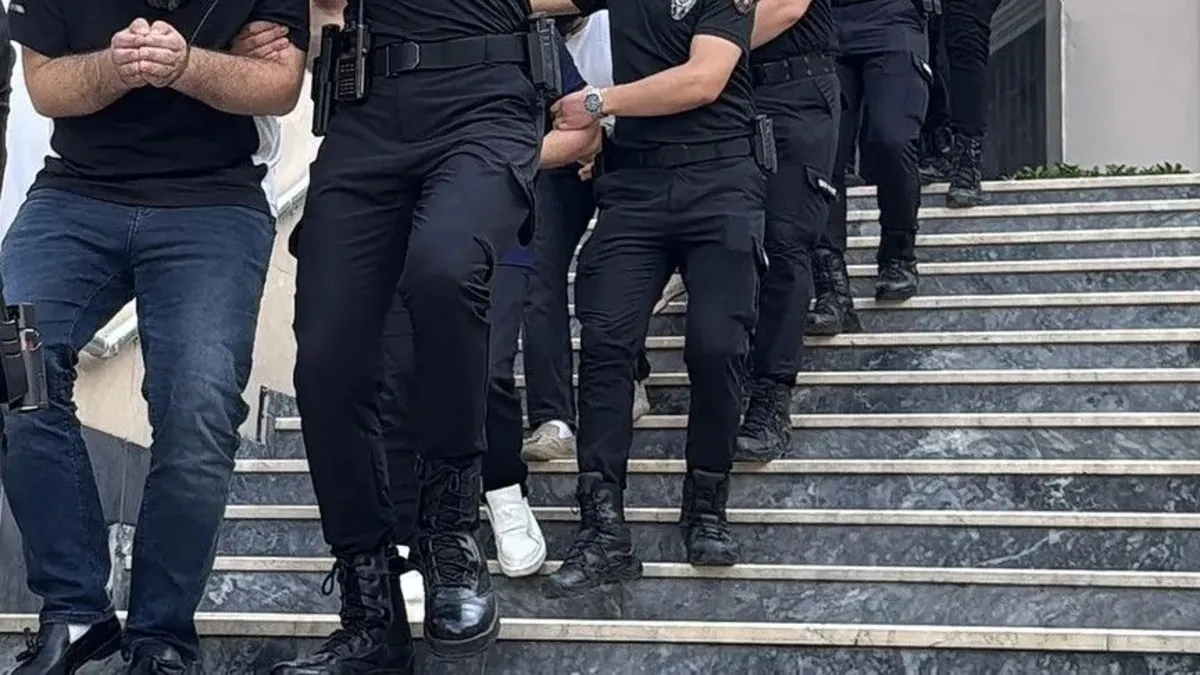
The operation revealed the intricate network of the Dalton gang. Suspects, including 30 children, were apprehended in a series of simultaneous arrests. The gang's activities were meticulously decoded, showing how they used WhatsApp groups to direct potential criminals. These individuals, often referred to as 'triggermen,' were recruited through social media platforms and then directed to commit various crimes.
This number was significant, as it represented a substantial blow to the Dalton gang's operations.
Beratcan Gökdemir, the leader of the Dalton gang, was a key figure in the operation. His name was linked to a red notice, indicating his importance to the criminal organization. The operation suggested that Gökdemir was based outside Turkey, using social media to manage the gang's activities from afar. This revelation was a significant breakthrough in understanding the group's modus operandi.
The operation had a profound impact on the criminal landscape in Turkey. Eighty-five suspects, including 30 children, were apprehended. This number was significant, as it represented a substantial blow to the Dalton gang's operations. The apprehensions were made in 30 cities across Turkey, indicating the widespread nature of the gang's activities.
The Istanbul Public Prosecutor's Office's Organized Crime Struggle Directorate played a crucial role in coordinating the operation. Their expertise in handling complex criminal networks was evident in the success of the operation. The Istanbul Intelligence Directorate provided critical support, ensuring that the operation was well-coordinated and executed effectively. This collaboration between different branches of the Turkish law enforcement was a testament to the country's commitment to addressing organized crime.
The apprehension of 85 suspects, including 30 children, was a significant achievement. However, the Dalton gang's leader, Beratcan Gökdemir, remained at large. His presence in Russia, coordinating the gang's activities from afar, presented a new challenge for Turkish authorities. The operation highlighted the need for continued vigilance and international cooperation in combating organized crime.
The operation against the Dalton gang marked a new chapter in Turkish law enforcement. The decoding of the gang's operations and the apprehension of 85 suspects, including 30 children, sent a clear message: the Turkish authorities were determined to address the growing threat of social media-facilitated crime. The operation's success was a testament to the collaboration between different branches of law enforcement and the commitment to protecting the public from the Dalton gang's activities. As the investigation continues, the focus remains on bringing Beratcan Gökdemir to justice and ensuring that the Dalton gang's activities are brought to an end.