In the high-stakes theater of competitive football, tension is often a silent passenger, building behind every tackle and every disputed call. But during the under-20 match in Brazil between Mamoré and Uberlândia, that tension did not merely simmer; it exploded. The catalyst was a moment of pure sporting triumph: Mamoré scored their third goal. In any other context, a third goal is a celebration, a moment of tactical dominance. Here, it became the fuse for a catastrophe.
As the ball hit the back of the net, the celebration did not bring joy, but instead triggered a mass brawl that would soon etch this specific encounter into the annals of football history. The chaos erupted in the 54th minute, turning a structured athletic contest into a scene of unbridled disorder. What followed was not a series of isolated skirmishes, but a total breakdown of the social contract between competitors.
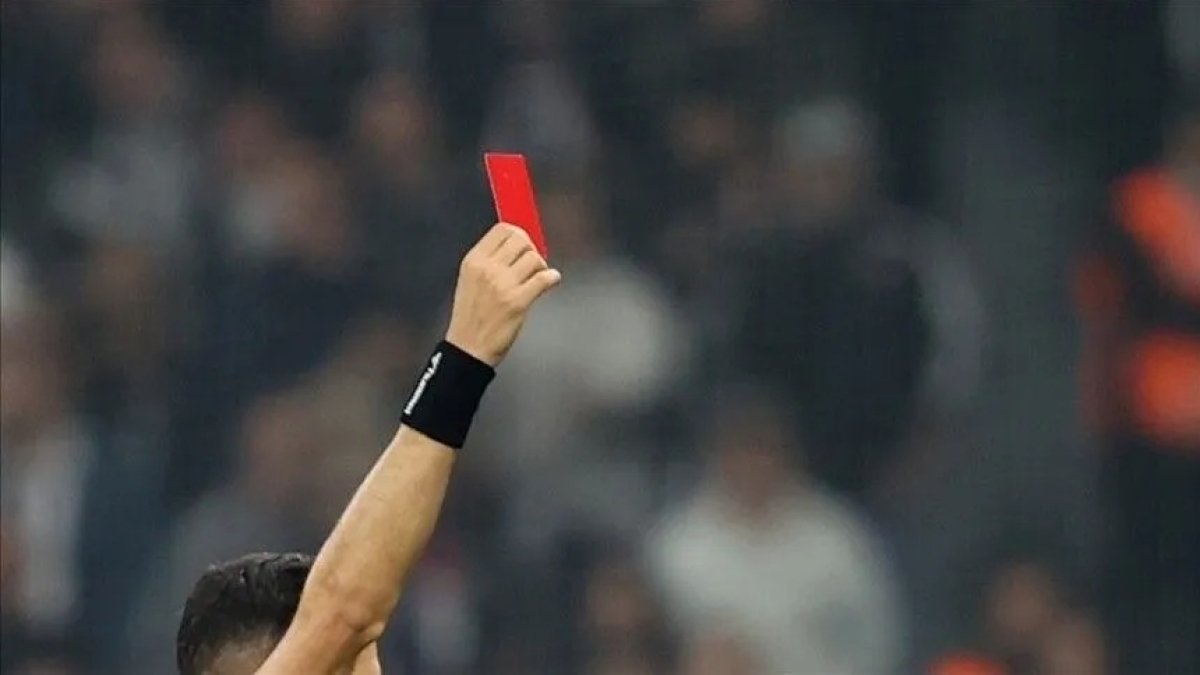
When the dust finally settled on the pitch, the scale of the disciplinary failure was revealed through a number that defies conventional sporting logic. The referee, tasked with maintaining the sanctity of the game, was forced to take unprecedented action. In an attempt to regain control of a situation that had spiraled beyond the reach of standard officiating, the referee issued a staggering 53 red cards.
This breakdown illustrates how the violence permeated the entire hierarchy of the teams.
A red card is the ultimate symbol of expulsion in football, signaling that a player's conduct has crossed a line from competitive aggression into something fundamentally unacceptable. To see one is common; to see dozens is a statistical anomaly that suggests a complete collapse of the match's structure. The referee eventually stopped the match early, unable to continue a contest that had ceased to be a game of football.
To understand the magnitude of this event, one must look at the specific composition of those sent off. This was not merely a dispute between players on the field; it was a systemic failure involving every level of the participating organizations. The 53 ejections were not distributed evenly across a single group, but represented a cross-section of the entire matchday operation.
According to the records of the incident, the disciplinary actions included 43 players, 8 coaches, and 2 executives. This breakdown illustrates how the violence permeated the entire hierarchy of the teams. When coaches and executives—the very individuals responsible for the conduct and discipline of their squads—are drawn into the physical fray, the ability to de-escalate the situation vanishes. The brawl was an all-encompassing contagion that moved from the pitch to the sidelines and into the management ranks.
While the referee worked to record the details of the brawl on the field, the chaos proved difficult to contain even after the match was halted. The dysfunction extended beyond the physical altercations between the players and staff. Reports indicate that following the conclusion of the match, the manager of Uberlândia caused further trouble by stealing items from the opposing team.
This secondary incident suggests that the atmosphere of the day was defined by a profound lack of respect for the rules and the opposition. The theft serves as a postscript to the violence, a final act of indiscipline that underscored the total breakdown of professional conduct between the two clubs.
As details of the under-20 match in Brazil emerged, the event was being characterized as the most undisciplined in the history of football. It stands as a singular moment where the competitive spirit was entirely replaced by chaos. The sheer volume of ejections—53 in total—creates a benchmark for disorder that is unlikely to be matched.
For the sport, such moments serve as a grim reminder of how quickly the structure of a game can dissolve. What began as an under-20 match between Mamoré and Uberlândia ended as a historical anomaly, a day when the referee's whistle could no longer command the respect of the participants, leaving behind a legacy of unprecedented disciplinary action.