
In a move that sent ripples through Jerusalem, U.S. leadership announced plans to halt annual military aid to Israel by the end of the current fiscal period. The decision, framed as a reflection of Israel’s growing economic strength, caught Israeli officials off guard. While Prime Minister Benjamin Netanyahu had previously hinted at the possibility of phasing out aid over time, the abrupt nature of the announcement left Israel’s finance ministry scrambling to assess the financial implications. Officials warned that the sudden halt could impose a burden of $8 billion over the next two years, requiring increased taxation or alternative funding sources to maintain defense capabilities.
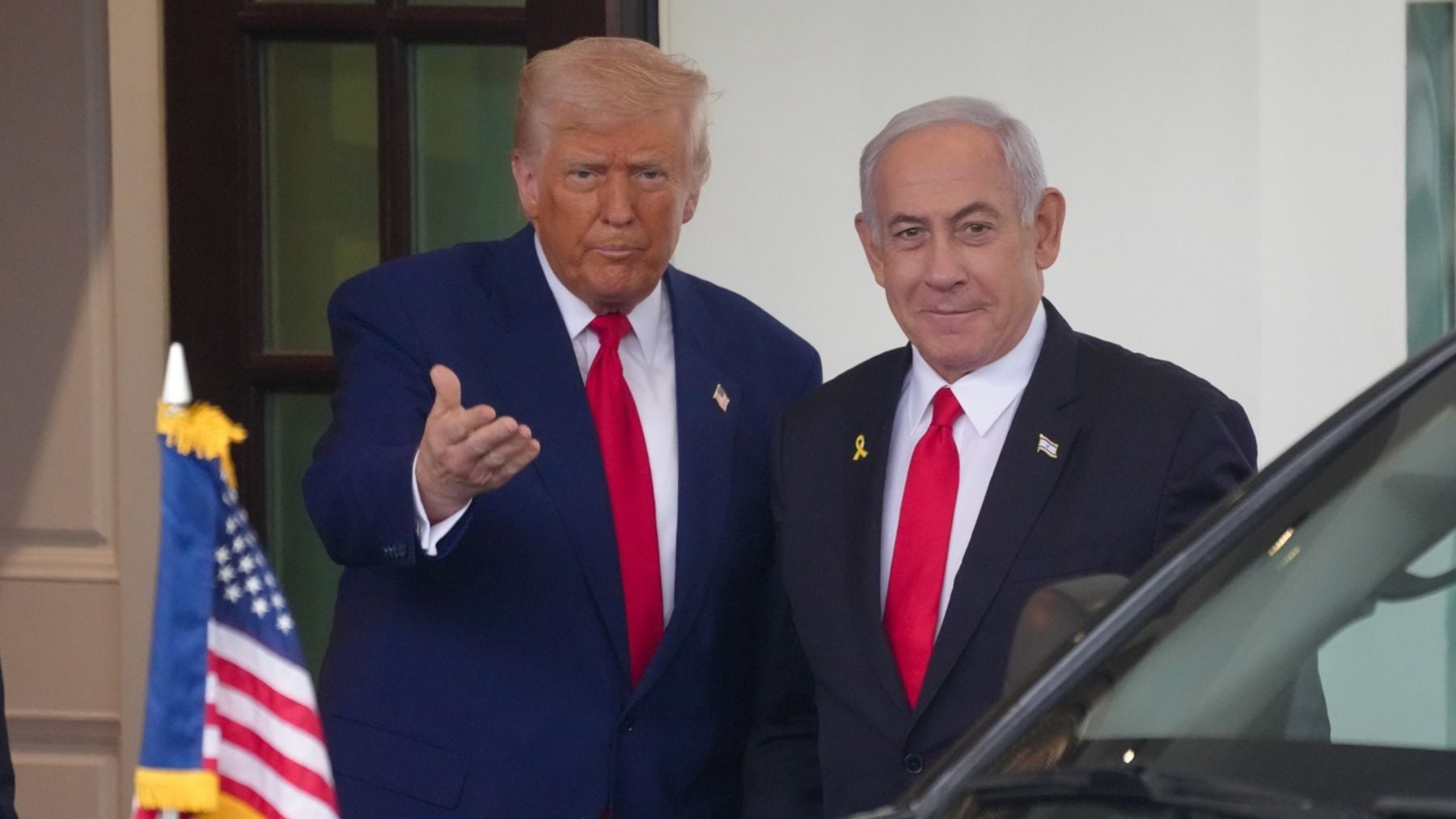
The $3.8 billion annual aid package, part of a non-binding 2016 agreement, had long been a cornerstone of Israel’s defense strategy. However, U.S. officials argued that Israel’s economic success rendered the aid unnecessary, shifting the focus toward direct arms purchases instead. The decision was framed as a strategic realignment, with U.S. leadership emphasizing that Israel would still have the option to acquire weapons through commercial channels.
The 2016 memorandum of understanding (MoU) between the U.S. and Israel had always been subject to annual congressional approval, leaving room for adjustments. Over 90% of the aid historically went to U.S. defense contractors, never directly benefiting Israel’s military budget. Netanyahu acknowledged the shift, stating that Israel should prepare for the potential end of American military aid, which he described as a matter of time rather than immediate action. His remarks underscored a broader concern: Israel’s reliance on U.S. funding had left it vulnerable to political shifts in Washington.
Economic officials in Israel emphasized the immediate financial strain the decision would impose.
Former Israeli military leader Gadi Eisenkot warned that the abrupt change in strategy signaled deeper instability. "The fact that the security establishment is discovering a shift in the strategic relationship through public announcements indicates just how much Benjamin Netanyahu’s conduct poses a real danger," Eisenkot stated. His comments highlighted concerns about transparency and the potential long-term consequences of such a sudden policy shift.
Economic officials in Israel emphasized the immediate financial strain the decision would impose. "The refusal of two-year aid is essentially $8 billion," one official noted. "From where we get it? It is clear that from the taxes of citizens." The shift forced Israel to reconsider its defense priorities, with officials now exploring ways to offset the loss of U.S. funding without compromising security.
Netanyahu’s earlier suggestion that aid cuts were inevitable due to changes in U.S. policy rather than Israel’s performance further complicated the narrative. While the U.S. framed the decision as a reflection of Israel’s prosperity, critics argued that the move risked undermining decades of strategic partnership.
As Israel navigates this financial transition, the long-term implications remain unclear. The U.S. decision to halt annual aid—while allowing for future arms purchases—marks a significant departure from past policy. For now, Israel must adapt, but the broader question remains: Can a nation’s security truly be built on shifting sands?


BREAKING: Israel has given the US intelligence that Iran is considering the use of chemical weapons, per NYT. Israel says the chemical weapons threat is now more urgent than Iran's ambitions to develop a nuclear weapon. Some US officials see the intelligence as part of a pressure campaign by Netanyahu to persuade Trump to return to major combat operations.