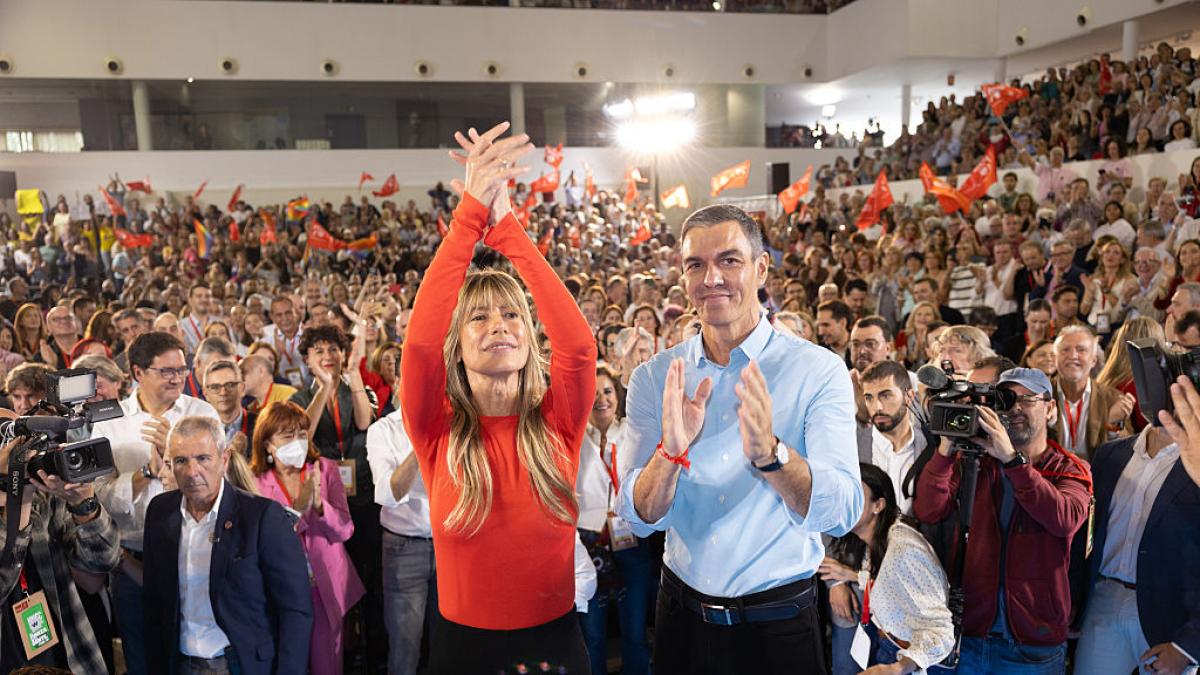
On October 28, 2026, Spanish Prime Minister Pedro Sánchez announced that his wife, Begoña Gómez, had filed a complaint against the PP (Partido Popular) party. The complaint centers around a deepfake video that had been circulating on social media, falsely portraying Begoña Gómez as supporting left-wing views. This development comes as the country prepares for the general elections scheduled for November 29, 2026, adding another layer of complexity to the campaign trail.
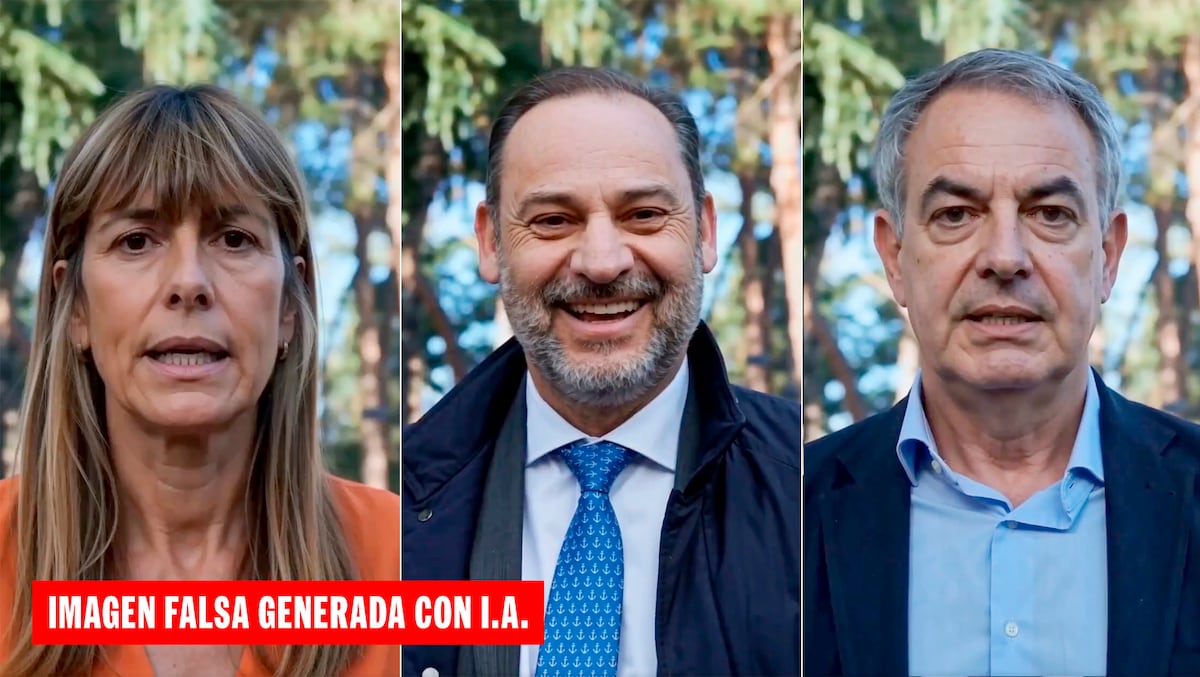
In response to the latest incident, Sánchez criticized the PP for using AI techniques similar to those used by abusers of minors. He emphasized, 'A party that aspires to govern must fight against these kinds of ideas, not promote them.' Sánchez’s statement was particularly poignant, given that his family had been directly affected by the PP’s actions. On the same day, Sánchez surprised many by announcing early elections, a move that could change the political landscape significantly.
The decision to call early elections was made during a family dinner with his wife and parents. This decision was seen as a clear indication of the seriousness with which the Sánchez family viewed the issue.
- October 28, 2026: Begoña Gómez reiterated her denunciation, emphasizing the misuse of her image.
On the same day, the Boletín Oficial del Estado published the official candidate lists for the upcoming elections. Meanwhile, regional leaders visited affected areas to support citizens. These events underscored the multifaceted nature of the political landscape in Spain, with regional issues and national elections intertwining.
- October 17, 2026: The Comité Federal del PSOE (PSOE Federal Committee) met, setting the stage for the upcoming elections. - October 28, 2026: Begoña Gómez formally denounced the PP for using AI to supplant her image in a political video. This incident sparked a broader debate on the ethical use of technology in politics. - October 28, 2026: Sánchez announced early elections, a move that aimed to address the political climate and the issues raised by the AI-generated video. - October 28, 2026: Begoña Gómez reiterated her denunciation, emphasizing the misuse of her image. - October 28, 2026: The Boletín Oficial del Estado published the official candidate lists, marking a significant step towards the elections. - November 29, 2026: The elections are scheduled to take place, with the AI-generated video controversy still looming over the political landscape.
The use of AI in political campaigns raises significant questions about identity theft and the ethical boundaries of modern political advertising. Begoña Gómez’s denunciation of the PP for using AI to supplant her image is part of a larger debate about the role of technology in politics. The incident has sparked a broader conversation about the need for regulations and guidelines to ensure the responsible use of AI in political contexts.
In his statement, Sánchez emphasized the need for political parties to fight against the misuse of technology. He said, 'A party that aspires to govern must fight against these kinds of ideas, not promote them.' This call for action reflects a growing concern among political leaders about the ethical implications of using AI in political campaigns. The incident has also highlighted the need for transparency and accountability in the use of technology in politics.

As the dust settles on the AI-generated video controversy, the political landscape in Spain remains tense. The early elections, called by Sánchez, are set to take place in the coming weeks. The incident has already reshaped the political narrative, with the Sánchez family and the PSOE (Partido Socialista Obrero Español) taking a strong stance against the misuse of technology. The outcome of the elections will be closely watched, as it could have significant implications for the future of Spanish politics.