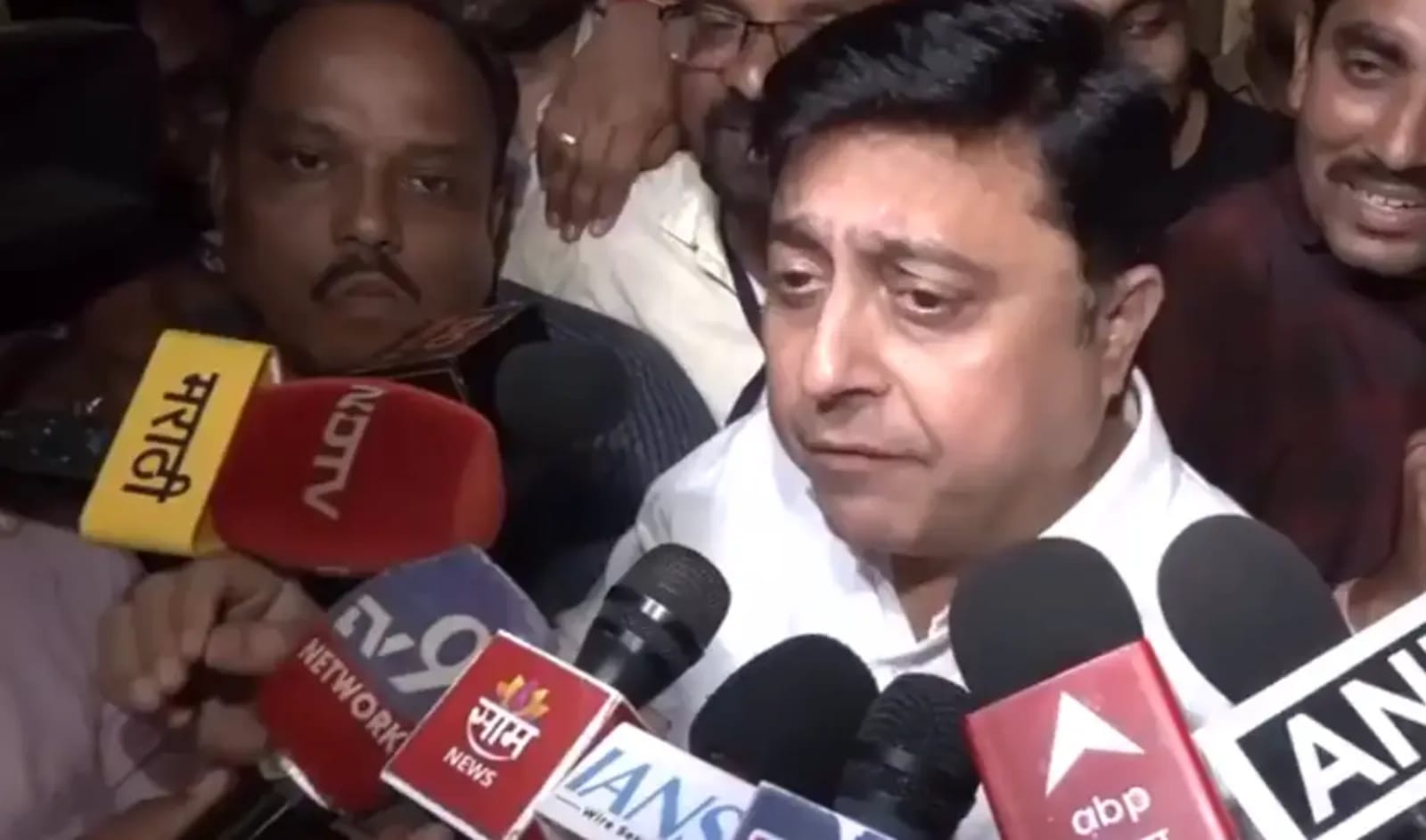
When the ballot boxes closed on 2026-10-29, political analysts expected the Nagpur constituency to remain a bastion of the Bharatiya Janata Party (BJP). The city, long associated with the party’s senior leadership, seemed poised to deliver another comfortable win for its candidate, Maj Bharti. Yet the final tally, announced on the following Sunday, told a different story: Congress challenger Abhijit Vangari emerged victorious, edging out Bharti by a margin of 3,271 votes. For a newcomer to Maharashtra’s electoral theater, the result reads like a textbook case of an upset, prompting a reevaluation of assumptions about regional party dominance.
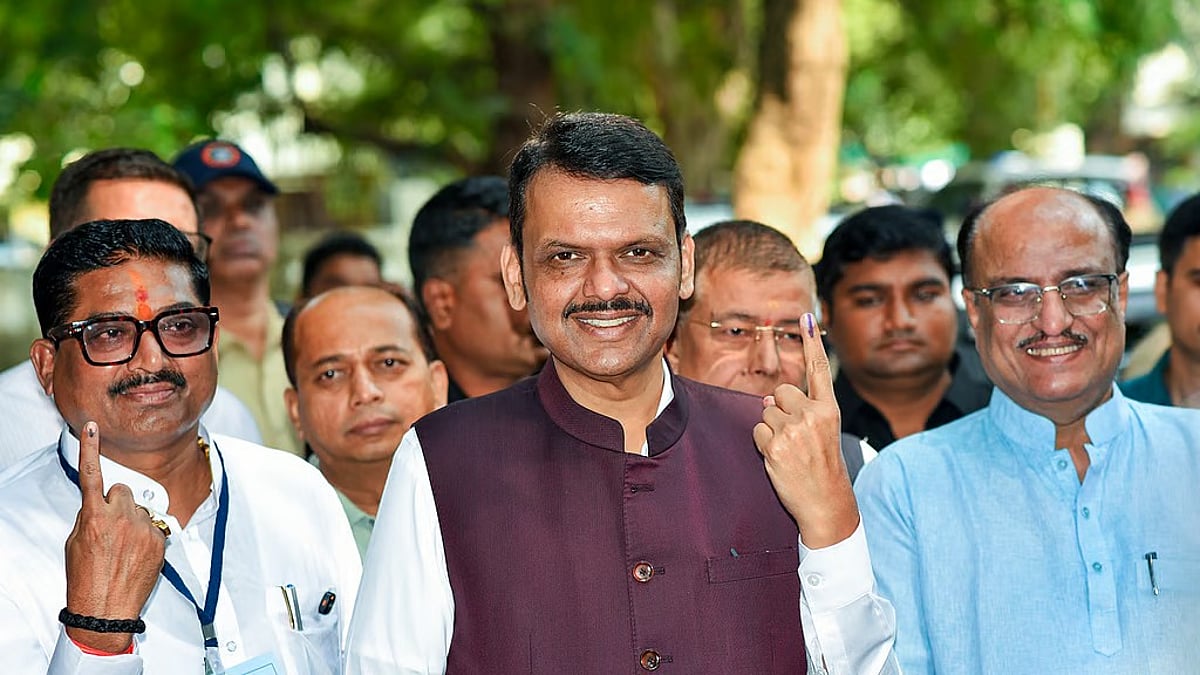
The race attracted the attention of two of the BJP’s most recognizable figures: Devendra Fadnavis, a former chief minister of Maharashtra, and Nitin Gadkari, a senior minister at the national level. Both traveled to Nagpur to rally support for Maj Bharti, underscoring the strategic importance the party placed on the seat. Their presence signaled a concerted effort to shore up the BJP’s base, a move that, on paper, should have reinforced Bharti’s prospects. On the Congress side, the campaign was supported by strong local support, which helped Vangari secure the victory.

#WATCH | Nagpur, Maharashtra: Congress candidate Abhijit Vanjari has taken a lead over the BJP’s Sudhakar Kohale during the counting of second-preference votes in the Graduates' MLC election. Congress candidate Abhijit Vanjari said, "The BJP exerted all its might—all their leaders were present in Nagpur—yet the voters stood with us. Our party remained united, and the leaders and workers of the Maha Vikas Aghadi stood together as one. Numerous organizations supported me; in fact, I had mentioned in my campaign materials that 48 organizations were backing me. This victory belongs to the workers and leaders of those very organizations." (28.10)
Understanding why the result mattered requires a close look at the vote totals. Maj Bharti secured 63,960 votes, a figure that, in isolation, reflects a substantial base of support. However, Vangari’s tally surpassed Bharti’s by exactly 3,271 votes, a differential that proved decisive. Adding another layer, the Congress fielded a second candidate, Nitesh Karale, who garnered 24,249 votes. While Karale’s share did not directly challenge the top two contenders, it illustrates the broader appeal of the Congress brand in the constituency. The margin of 3,271 votes, though modest in absolute terms, was enough to overturn expectations and deliver a clear win for Vangari.
As each ballot was tallied, the early leads shifted, and the narrative of a BJP sweep began to unravel.
The counting process, conducted on the Sunday after the election day, served as the moment of verification. As each ballot was tallied, the early leads shifted, and the narrative of a BJP sweep began to unravel. When the final numbers were announced, the headline was unmistakable: Abhijit Vangari had won Nagpur. The announcement not only confirmed the vote difference but also cemented the reality that the BJP’s high‑profile campaign had not translated into a victory on the ground. The timing of the count—just days after the vote—meant that the result quickly entered public discourse, shaping the post‑election analysis.
The Nagpur outcome reverberates beyond a single constituency. For the BJP, the loss represents a critical blow to the perception of invincibility in its traditional heartlands. The presence of senior leaders like Fadnavis and Gadkari, while indicative of the party’s commitment, was insufficient to secure the seat. For the Congress, Vangari’s triumph offers a supportive narrative, suggesting that the party can still mobilize voters effectively when the message aligns with local concerns. The result may encourage both parties to reassess campaign strategies, candidate selection, and voter outreach as they look ahead to future contests in Maharashtra.
As the dust settles, the immediate focus shifts to how each side will interpret the result. The BJP is likely to conduct an internal review, examining why the campaign’s heavyweight presence did not convert into votes. Meanwhile, the Congress will probably highlight Vangari’s win as evidence of a resurgence, using it to galvanize supporters in neighboring constituencies. For the electorate of Nagpur, the decision reflects a willingness to deviate from established patterns, signaling that future elections may be more competitive than previously assumed. The story of a single seat, captured in a margin of 3,271 votes, thus becomes a microcosm of the evolving dynamics in Maharashtra’s political arena.