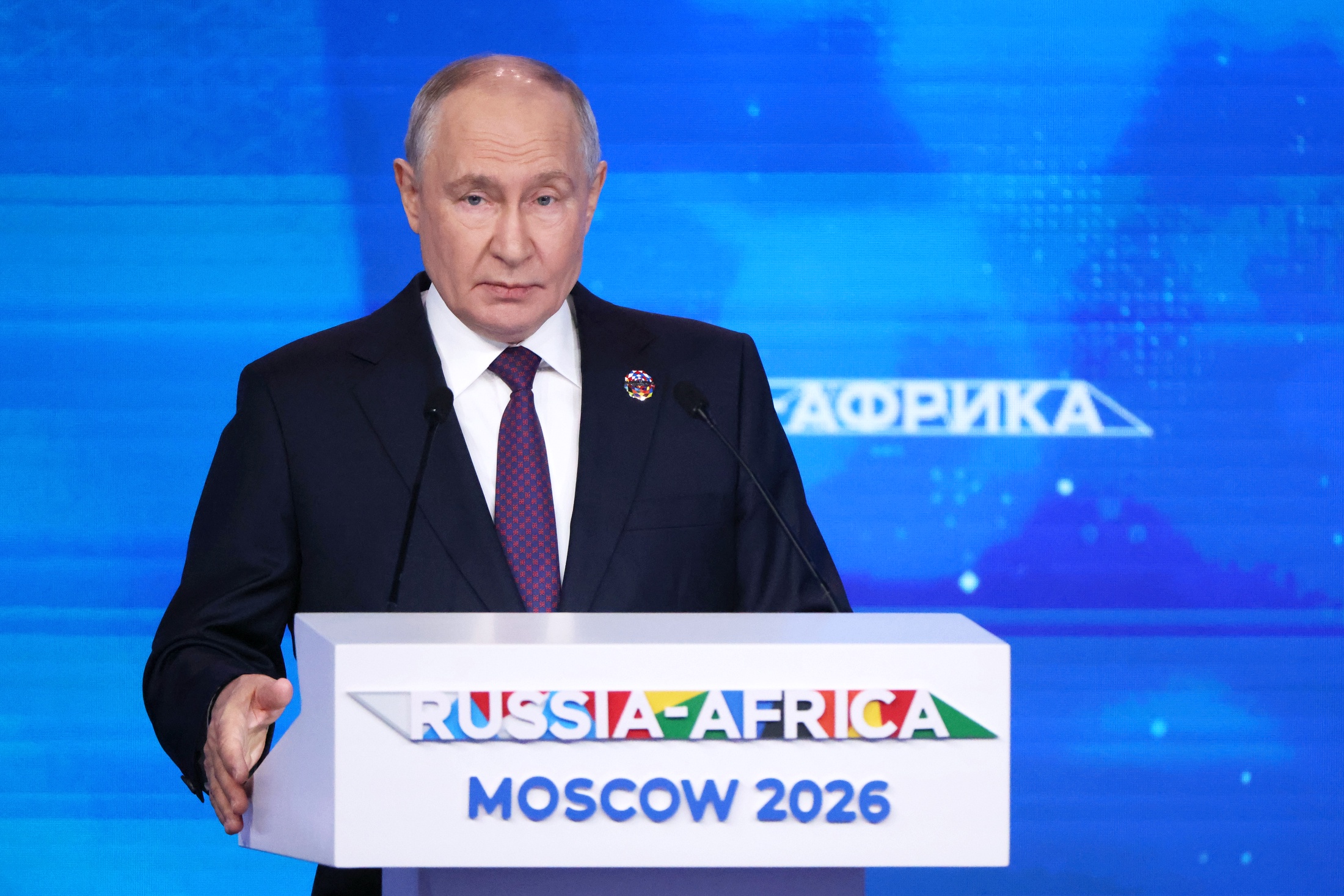
On October 28, 2026, the third Russia-Africa summit convened in Moscow. Beyond the diplomatic exchanges that define such high-level gatherings, the event included an economic and humanitarian forum designed to address shared challenges between the two continents. It was within this framework of cooperation that the Russian leadership began to articulate a broader vision for the global order. As the discussions unfolded, the focus shifted from immediate trade agreements to the structural position of African nations on the world stage. This setting provided the necessary backdrop for a statement that would carry significant weight regarding international power dynamics.

By October 29, 2026, President Vladimir Putin addressed the forum directly. He emphasized the rising importance of Africa in global affairs, framing the continent not merely as a partner but as an emerging force with increasing leverage. In his remarks, he stated that the role and significance of Africa are growing. "And as we have noted," he continued, "we fully agree with this - the role of Africa will only increase." This assertion serves as a foundational claim for the subsequent demands made during the session. The president argued that this trajectory cannot be ignored by the established institutions governing international relations. Consequently, he concluded that the significance of Africa and its representation in international universal organizations must be ensured. These words marked a clear shift toward demanding formal recognition rather than informal consultation.
The core of the argument centered on the specific architecture of the United Nations. During the forum, Putin highlighted the growing role of Africa and the need for its representation in international organizations, specifically the UN Security Council. He pointed out that the absence of African representatives among the permanent members of the Security Council is unjust. This observation underscores a long-standing critique of the current security body, which has remained static despite shifting geopolitical realities. The demand was not for new powers alone, but for a reflection of the actual influence being exerted across the continent. By linking the rise of African states directly to their lack of permanent seats, the statement sought to align moral justice with practical political reality.
By linking the rise of African states directly to their lack of permanent seats, the statement sought to align moral justice with practical political reality.
However, the call for change came with a caveat regarding the method of implementation. The goal was to ensure representation without destabilizing existing frameworks. Putin explained that here one needs to act carefully based, as we say, broad consensus so as not to destroy even what we have. This qualification suggests a pragmatic approach to reform; while the end goal involves expanding the scope of African participation, the process must avoid disrupting the status quo entirely. The emphasis on consensus indicates a desire for stability, ensuring that any adjustments to the international structure are accepted by all major players involved. This balance between ambition and caution defines the tone of the Russian leadership's engagement with the topic.
The statements delivered over these two days in Moscow reflect a strategic push to redefine the boundaries of global governance. By insisting that the role of Africa will only increase, the administration signals confidence in the continent's future capacity to influence decisions. The insistence on representation in international universal organizations implies that current access is insufficient for the level of engagement occurring elsewhere. Ultimately, the message conveyed was that the world order requires updating to accommodate the changing distribution of power. As the summit concludes, the focus remains on how these principles translate into concrete action within the broader international community.