The fragility of peace in the Middle East was laid bare on October 20, 2026, when Houthi rebels launched a coordinated assault on Riyadh International Airport. Using a barrage of missiles and drones, the Iran-backed militia targeted the heart of Saudi infrastructure, signaling a dangerous escalation in a long-standing regional conflict. For those living in the shadow of these hostilities, the attack was a stark reminder that the war in Yemen is not a distant, contained skirmish, but a volatile force capable of reaching the most vital hubs of the Saudi state. The British government, observing the chaos from Downing Street, did not mince words, labeling the Houthi militia's actions as "absolut niederträchtig."
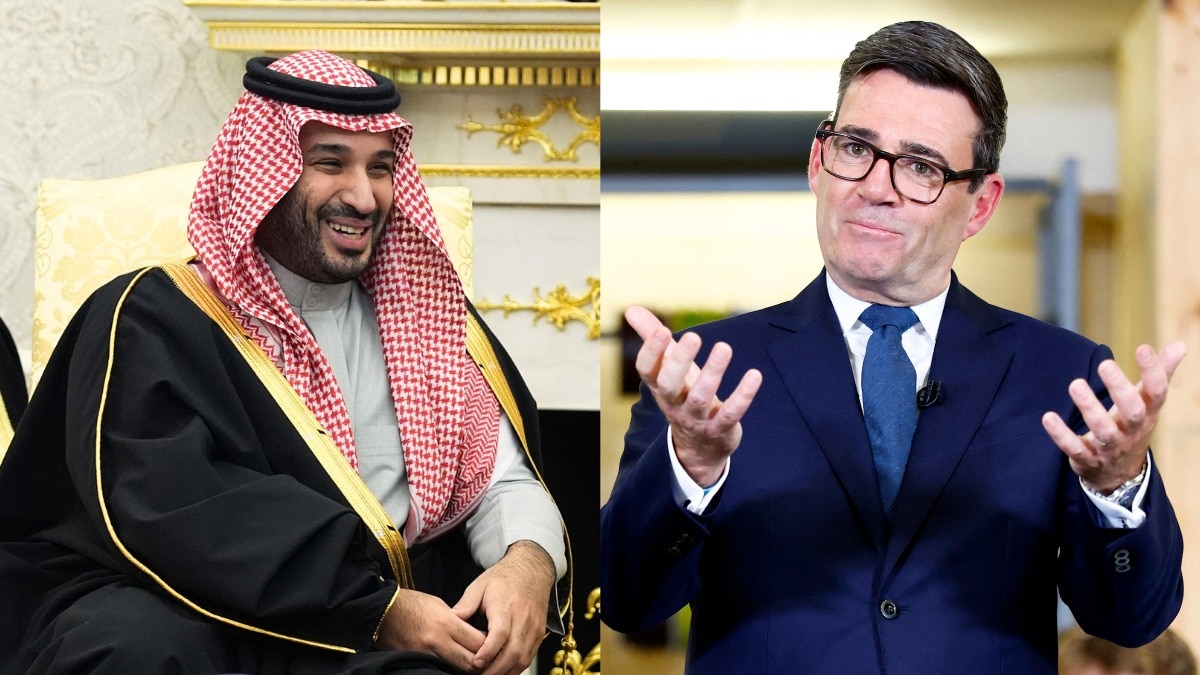
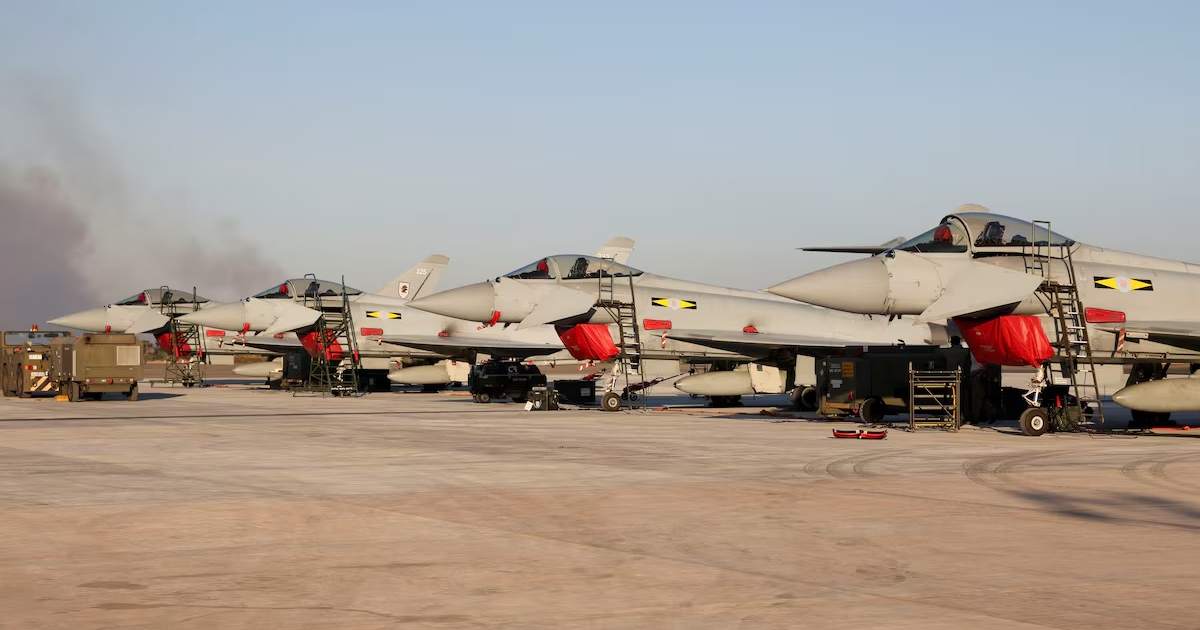
In response to the intensifying threat, the United Kingdom has moved to deepen its military cooperation with Saudi Arabia. The British government announced that the Royal Air Force (RAF) will deploy Eurofighter jets to conduct defensive air patrols over Saudi territory. The objective is clear: to intercept incoming missiles and drones before they can strike civilian or strategic targets. Defense Minister Wes Streeting has been quick to frame this deployment as a strictly defensive measure, emphasizing that these aircraft will not participate in offensive strikes. The goal is to provide a protective umbrella, not to escalate the conflict into a broader kinetic war.

JUST IN - UK to deploy RAF Eurofighter Typhoons to Saudi Arabia to protect the country from Houthi attacks, the Typhoons will "operate in a defensive role and will not conduct offensive strikes against the Houthis" — Sky
The deployment of the Eurofighters is only one part of a broader British strategy to stabilize the region. Beyond the patrols, the UK is extending its air-to-air refueling support for Saudi aircraft by 90 days, ensuring that the Saudi military maintains the capacity to monitor its own airspace. Furthermore, Britain is dispatching a contingent of military advisors and a transport aircraft to provide logistical and strategic support. This multifaceted approach is designed to bolster Saudi defensive capabilities while maintaining a clear boundary against direct involvement in the offensive aspects of the war.
Despite the visible presence of British air power, the government in London remains adamant that the path to peace does not run through the barrel of a gun.
Despite the visible presence of British air power, the government in London remains adamant that the path to peace does not run through the barrel of a gun. Wes Streeting articulated this position with precision, stating, "The government believes that there is no lasting military solution to the Yemen conflict. We will continue to support the UN-led political process for sustainable peace." This stance reflects a delicate diplomatic tightrope. Britain is committed to protecting its ally from immediate harm, yet it remains wary of being drawn into an intractable conflict that has already claimed countless lives and defied years of international mediation efforts.
The timing of the Houthi escalation coincides with a significant shift in the Iranian political landscape. On October 20, 2026—the same day as the attack on Riyadh International Airport—the Iranian parliament confirmed Mehrdad Achlaghi Ketabtschi as the new Minister of Defense. An arms expert by trade, Ketabtschi's ascent to the cabinet signals a potential hardening of Iran's military posture. His arrival was marked by immediate friction, as he issued a direct threat against Donald Trump, further complicating an already volatile geopolitical map. The emergence of a new, assertive defense minister in Tehran suggests that the regional power struggle is entering a new, less predictable phase.