
For the millions of passengers who rely on the high-speed rail connection between Madrid and Barcelona, the service is more than a convenience—it is the backbone of Spanish domestic travel. Yet, as the infrastructure ages, the Ministry of Transport faces a daunting logistical puzzle: how to perform essential, large-scale renovations without causing a decade of rolling delays and maintenance-induced headaches. On October 30, 2026, Minister of Transport Óscar Puente brought a bold, albeit disruptive, solution to the public eye. He revealed that the government is actively evaluating the possibility of a total suspension of service on the Madrid-Barcelona line to facilitate a rapid, concentrated overhaul of the tracks.
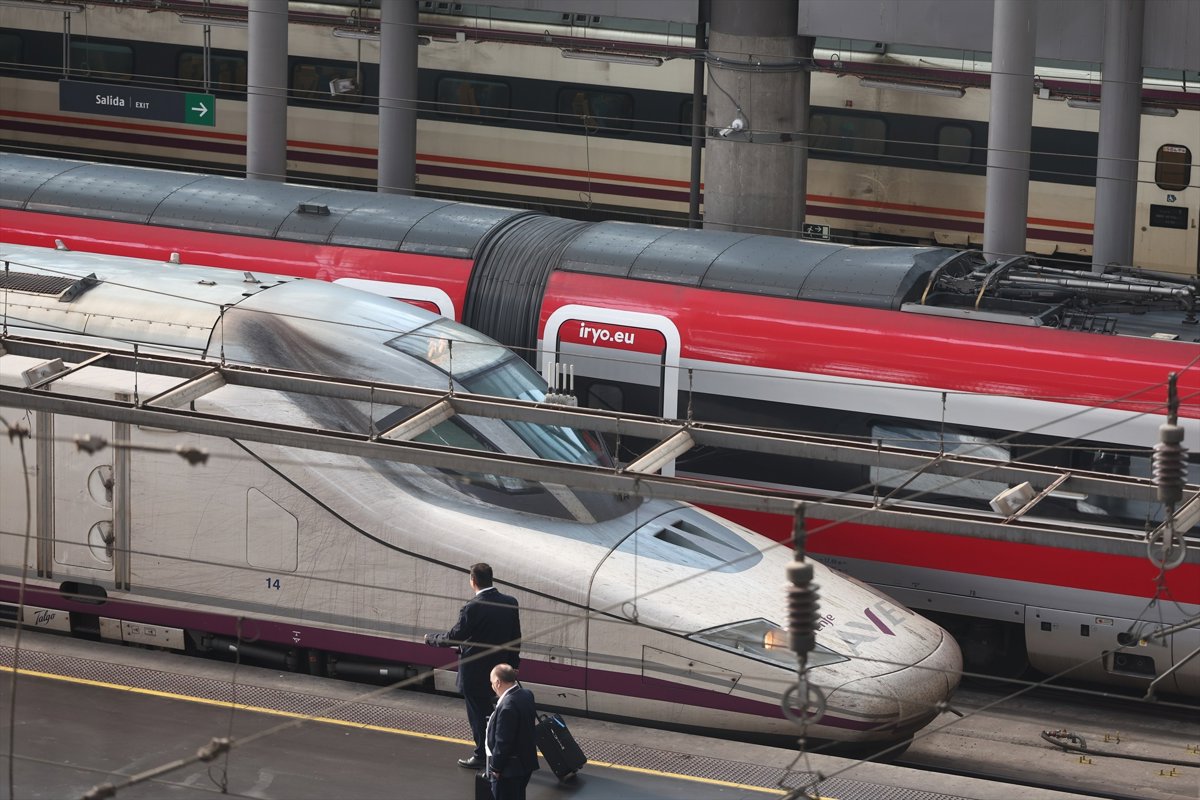
The logic behind the proposal rests on a stark comparison of two different approaches to engineering. Under the current, conventional model, the necessary renovations would be carried out in the margins of daily operations—what engineers call a 'maintenance band.' This piecemeal approach is notoriously slow, with the Ministry estimating that the project would drag on for five years. By contrast, a full closure would allow crews to work around the clock without the constraints of train traffic. According to the projections laid out by Puente, this concentrated effort could reduce the total project duration to less than 24 months, or potentially as little as 12 months under ideal conditions.
This strategy of 'rip-and-replace' is not entirely unprecedented in the broader European context. Puente noted that similar approaches have been utilized in countries like Germany, where the trade-off between short-term pain and long-term gain is a familiar, if difficult, calculus. The goal is to move away from the 'death by a thousand cuts' model of perpetual maintenance, which often results in chronic, unpredictable punctuality issues for passengers. By opting for a total shutdown, the government hopes to achieve a definitive, high-quality upgrade that would serve the country for decades to come, rather than a series of patches that never truly resolve the underlying wear and tear.
This strategy of 'rip-and-replace' is not entirely unprecedented in the broader European context.
Despite the clear efficiency gains, the proposal is not without significant political and social risk. Puente acknowledged the gravity of the choice, stating, "We would be talking about a project that could take us five years in a maintenance band, which we could reduce to less than 24 months or 12 months under normal conditions, but during that time we would deprive users of the service." The Ministry is currently in a phase of evaluation, weighing the undeniable benefits of a shorter, more effective construction timeline against the inevitable backlash from commuters and businesses who rely on the daily connection between Spain’s two largest cities. It is a classic governance dilemma: choosing between the slow, steady inconvenience of the status quo and the sharp, acute shock of a total service interruption.
As of late October 2026, no final decision has been reached, but the discussion itself signals a shift in how the Spanish government views its most critical infrastructure. The Ministry of Transport is clearly signaling that the era of 'business as usual' maintenance may be coming to an end. Whether the public is willing to accept a year or two of significant disruption in exchange for a modernized, more reliable rail network remains the central question. For now, the Madrid-Barcelona line continues to run, but the shadow of a potential shutdown looms over the tracks, serving as a reminder that even the most advanced infrastructure requires a heavy price to remain relevant in a modern economy.