For the residents of Delhi, the sight of barricades has become a familiar, if unsettling, feature of the urban landscape. However, the recent wave of protests—centered on demands for the resignation of Chief Election Commissioner Gyanesh Kumar—has pushed these containment strategies into the spotlight. The resulting atmosphere of tension and the subsequent reports of widespread detentions have prompted a significant intervention from the highest level of the Indian judiciary.

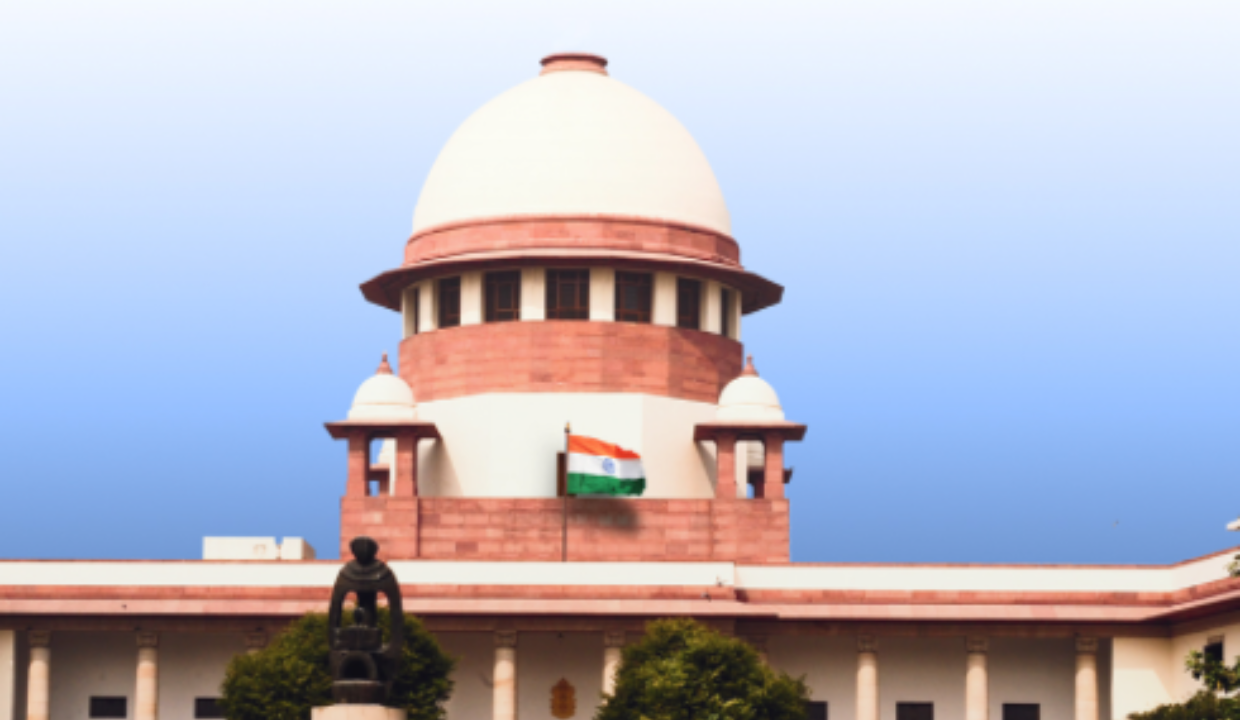
On May 26, 2024, the Supreme Court of India issued a formal directive that marks a critical turning point in the ongoing debate over protest management. By ordering authorities to assess and justify the barricading measures and detention practices utilized during the recent unrest, the Court has signaled that the state’s power to control public space is not absolute. The directive is not merely a request for information; it is a demand for accountability. The Court has effectively placed the government’s protest management protocols on trial, requiring officials to explain the legitimacy of the actions taken by law enforcement in the face of public dissent.

Are detention buses the new jails? https://t.co/XFxcGxUVGg
At the heart of the Supreme Court’s inquiry is the principle of proportionality. The Court has made it clear that while the state has a duty to maintain order, the use of police force must be commensurate with the situation at hand. Excessive force, the Court suggests, undermines the very democratic values it is meant to protect. Central to this legal framework is Section 163 of the Bharatiya Nagarik Suraksha Sanhita (BNSS). This provision serves as the benchmark against which the police’s conduct is now being measured. By explicitly referencing the BNSS, the Court is reminding authorities that detentions are not arbitrary tools to be used at will, but actions that must strictly comply with established legal standards.
Excessive force, the Court suggests, undermines the very democratic values it is meant to protect.
As the government prepares its official response, the implications of this judicial directive extend far beyond the specific events surrounding the protests against Gyanesh Kumar. The case highlights a growing friction between the state’s desire for control and the citizens’ right to gather and express opposition. By forcing the authorities to justify their tactics, the Supreme Court is asserting its role as the ultimate arbiter of constitutional rights. The upcoming response from the government will be closely watched, as it will reveal not only the official justification for the recent crackdown but also the extent to which the state is willing to align its protest management practices with the mandates of the law. For now, the city remains in a state of watchful waiting, as the legal process begins to untangle the complex relationship between public security and the fundamental right to protest.

VIDEO | Delhi: After meeting CJP founder Abhijit Dipke, Rajya Sabha MP and advocate Kapil Sibal says, "We are deeply grateful to the Supreme Court of India for passing an order that restores the faith of the Indian people, as well as the faith of professionals, in the justice system of this country. Beyond this, we will not speak on anything else..." (Full video available on PTI Videos - https://t.co/bIyFWTfmBd)