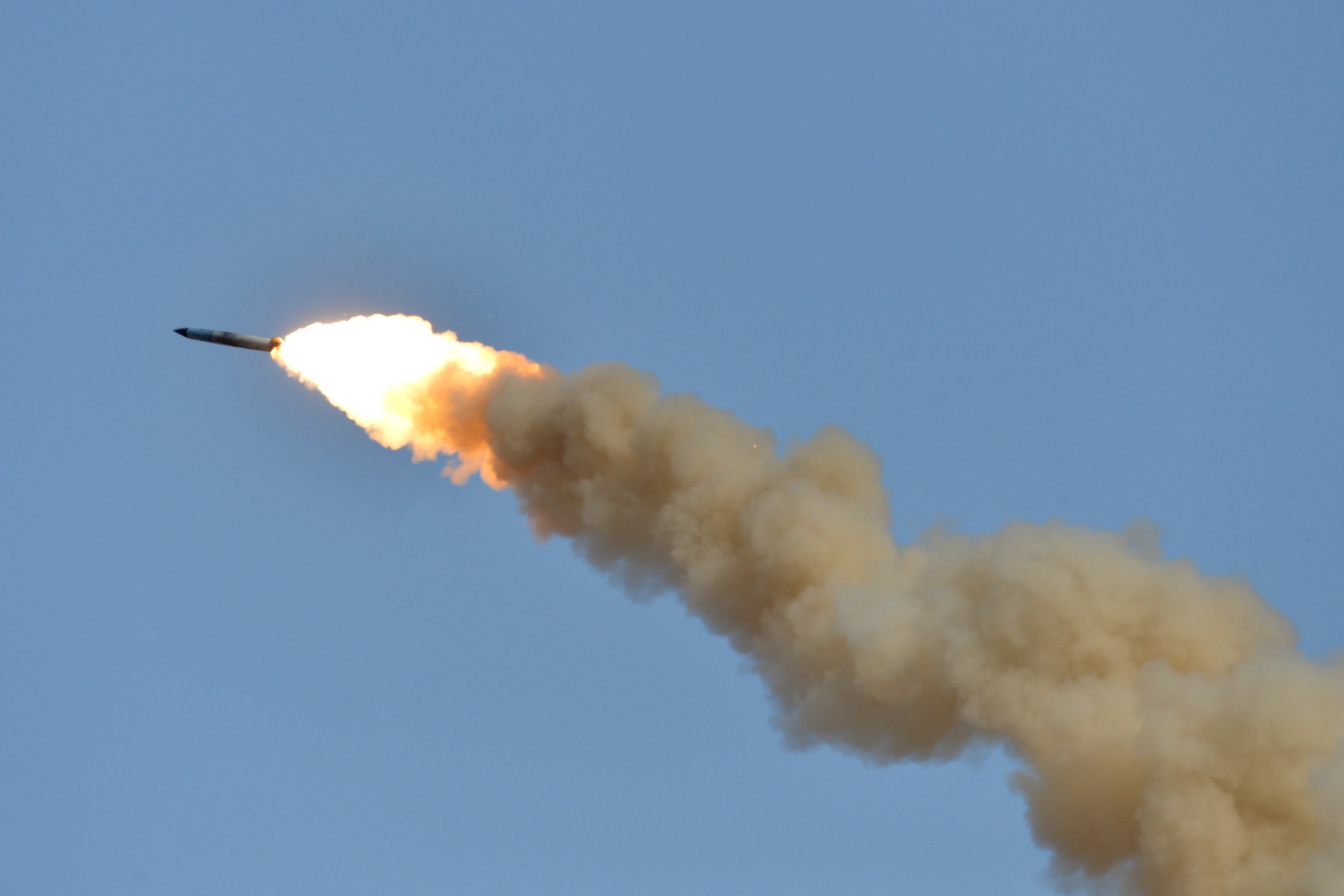
Nighttime in a conflict zone is rarely silent, but on October 27, 2023, the darkness over Ukraine was punctuated by the mechanical roar of a coordinated mass strike. The Russian Ministry of Defense reported a wide-ranging offensive, utilizing a combination of high-precision ground-based weapons and drones to strike a series of strategic targets. This was not a localized skirmish, but a synchronized effort to disrupt the logistical and industrial rhythms that sustain the Ukrainian defense.

The scope of the operation focused heavily on the machinery of war itself. Russian forces directed their strikes toward the Ukrainian defense industry, specifically targeting facilities essential to the country's ability to project power. These were not merely warehouses, but specialized enterprises involved in the production and storage of cruise missiles, as well as medium and long-range unmanned aerial vehicles (UAVs), commonly known as drones. By targeting these military-industrial complexes, the strikes aimed to strike at the very source of Ukraine's aerial and missile capabilities.
While the capital felt the weight of the attack, the Kharkiv region became a focal point for strikes aimed at the movement of troops and materiel. In this area, the Russian military targeted military production facilities and critical logistics centers. Logistics centers serve as the vital connective tissue of any modern military, acting as hubs where supplies, ammunition, and equipment are gathered before being moved to the front lines. To disrupt these hubs is to disrupt the ability of a military to sustain long-term operations.
As the strikes moved toward the capital, the focus shifted from the production of weapons to the infrastructure that allows a city to function.
Beyond the land-based targets, the Kharkiv region also saw strikes directed at Ukrainian naval vessels. This multi-domain approach—hitting land-based production, logistics, and maritime assets simultaneously—suggests an attempt to create a broad-spectrum disruption of Ukrainian military movement and readiness.
As the strikes moved toward the capital, the focus shifted from the production of weapons to the infrastructure that allows a city to function. Kyiv, the heart of the nation, faced a direct assault on its transportation networks. The strikes hit key transport infrastructure, aiming to sever the lines of movement within the metropolitan area.
Among the most significant hits were strikes on the transport infrastructure and surrounding areas, resulting in damage to key facilities in Kyiv. Transportation networks and infrastructure are vital to the functioning of a major area, facilitating the movement of resources and services. When these transport routes are damaged, the impact is felt immediately as the movement becomes increasingly difficult and unpredictable.
The events of October 27, 2023, represent a calculated effort to strike at multiple layers of Ukrainian capability. From the high-tech production of cruise missiles to the fundamental transit of a capital city, the Russian military utilized a diverse array of weaponry to hit targets across different sectors. The combination of ground-based precision weapons and drones allowed for a simultaneous reach that touched the industrial centers of Kharkiv and the vital transit hubs of Kyiv, marking a significant moment in the ongoing military operations.