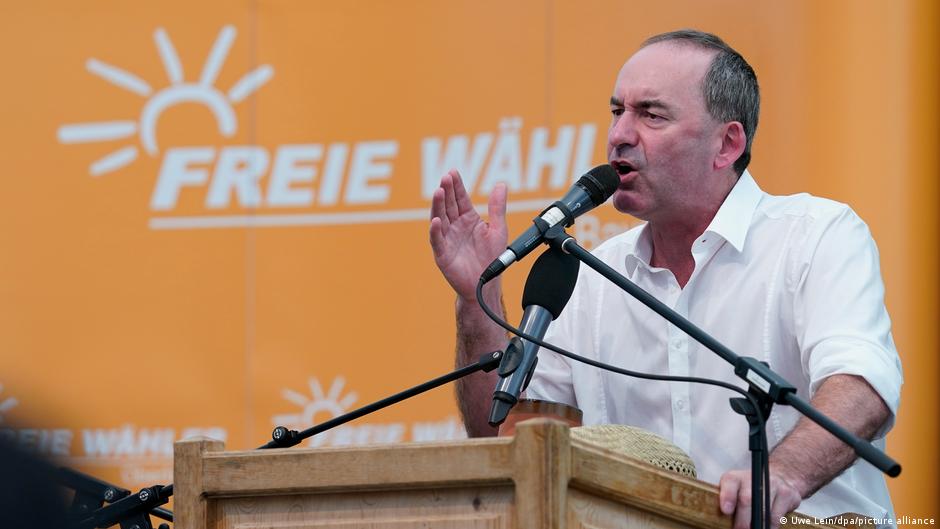
On the morning of November 4, 2026, the world of Bavarian politics was stunned by the news that Hubert Aiwanger, a 55-year-old politician, had been found dead in a Berlin hotel. Aiwanger, a central figure in the Free Voters Party, was expected to attend the opening of the party's Berlin representation office. However, he had not felt well and did not make the trip. His absence was noticed, and his body was discovered later that day, marking a sudden and unexpected end to his political career.
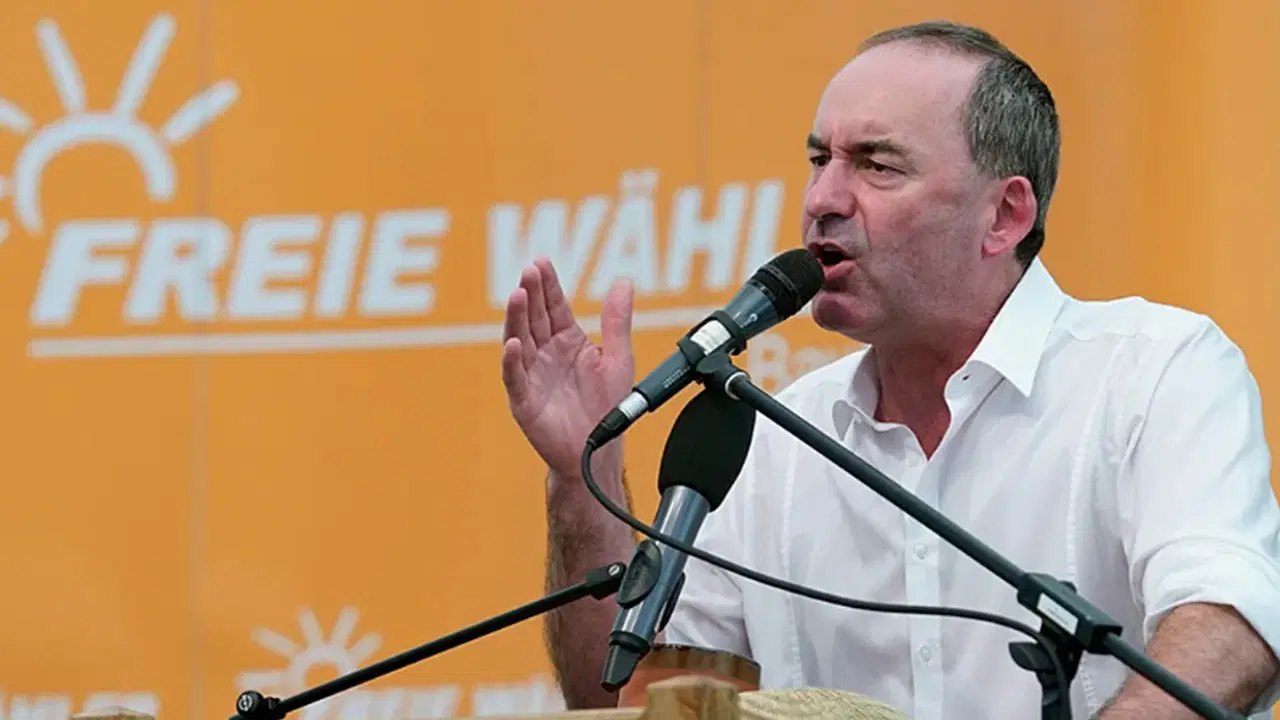
Hubert Aiwanger's political journey began in the early 2000s when he joined the Free Voters Party, a conservative political party known for its critical stance on EU decisions and its focus on regional issues. Aiwanger quickly rose through the ranks, becoming the party's Landesvorsitzender (state chairman) in 2006, a position he held for 20 years. During his tenure, Aiwanger played a crucial role in the party's success, particularly in local elections, where the Free Voters achieved significant victories.

German police said they were investigating the sudden death of Hubert Aiwanger, deputy premier of the state of Bavaria and leader of a small conservative party, whose body was found in a Berlin hotel room on Wednesday evening.
In 2014, Aiwanger's political star ascended even higher when he was appointed Bavaria's Economy Minister. This position came with the additional role of Vice-Minister President, a title that underscored his importance in the state government. As Economy Minister, Aiwanger focused on regional development, energy, and economic policies that were central to Bavaria's growth. His conservative views and critical stance on EU decisions often put him at odds with other political parties, particularly the Christian Social Union (CSU), which forms the Bavarian government alongside the Free Voters.
In the early 1990s, when he was a young man, Aiwanger was accused of writing an antisemitic flyer.
Aiwanger's political career was marked by his involvement in forming a coalition with the CSU. This coalition was a delicate balance, as the two parties had differing views on many issues. Aiwanger's ability to navigate this coalition and maintain a stable government was seen as a significant achievement. However, the coalition's success was not without its challenges, and Aiwanger's role in managing these challenges was crucial.

This is deeply shocking and heartbreaking news. Hubert Aiwanger was an excellent Minister of Economic Affairs who made an important contribution to Bavaria’s economic interests. I have written to Herr Aiwanger almost every day on matters relating to the economy and international trade, which makes this loss particularly poignant for me. My thoughts are sincerely with his family, his loved ones and everyone who is mourning him. We mourn with them and keep them in our thoughts and prayers. 🖤 @Markus_Soeder @fwhfreising @Landtag_Bayern @TobiGotthardt @ManfredWeber
Despite his political successes, Aiwanger's past was not without controversy. In the early 1990s, when he was a young man, Aiwanger was accused of writing an antisemitic flyer. The incident, known as the Flugblatt-Affäre (Flyer Affair), was a significant scandal at the time and cast a shadow over his political career. While Aiwanger denied the allegations, the incident remained a point of contention, particularly among his critics and opponents. The discovery of this past during his political career added a layer of complexity to his public image and his interactions with the public.
The sudden death of Hubert Aiwanger has sent ripples through the political landscape of Bavaria. The Free Voters Party, which Aiwanger had led for 20 years, has issued a statement expressing their deep sorrow and the loss of a key figure. The party's current leadership is now grappling with the implications of Aiwanger's absence, particularly in the context of the upcoming local elections. The Bavarian government, with its coalition with the CSU, is also facing challenges in the wake of Aiwanger's death, as his role in managing the coalition is now uncertain.
The death of Hubert Aiwanger marks a significant moment in Bavarian politics. His sudden passing has left a void that will be difficult to fill. The Free Voters Party, which Aiwanger had led for two decades, is now facing the challenge of maintaining its political momentum without its central figure. The coalition with the CSU is also in flux, as the absence of Aiwanger raises questions about the future of the Bavarian government. As Bavaria moves forward, the political landscape will undoubtedly be shaped by the legacy of Hubert Aiwanger and the challenges his death has brought to the forefront.
