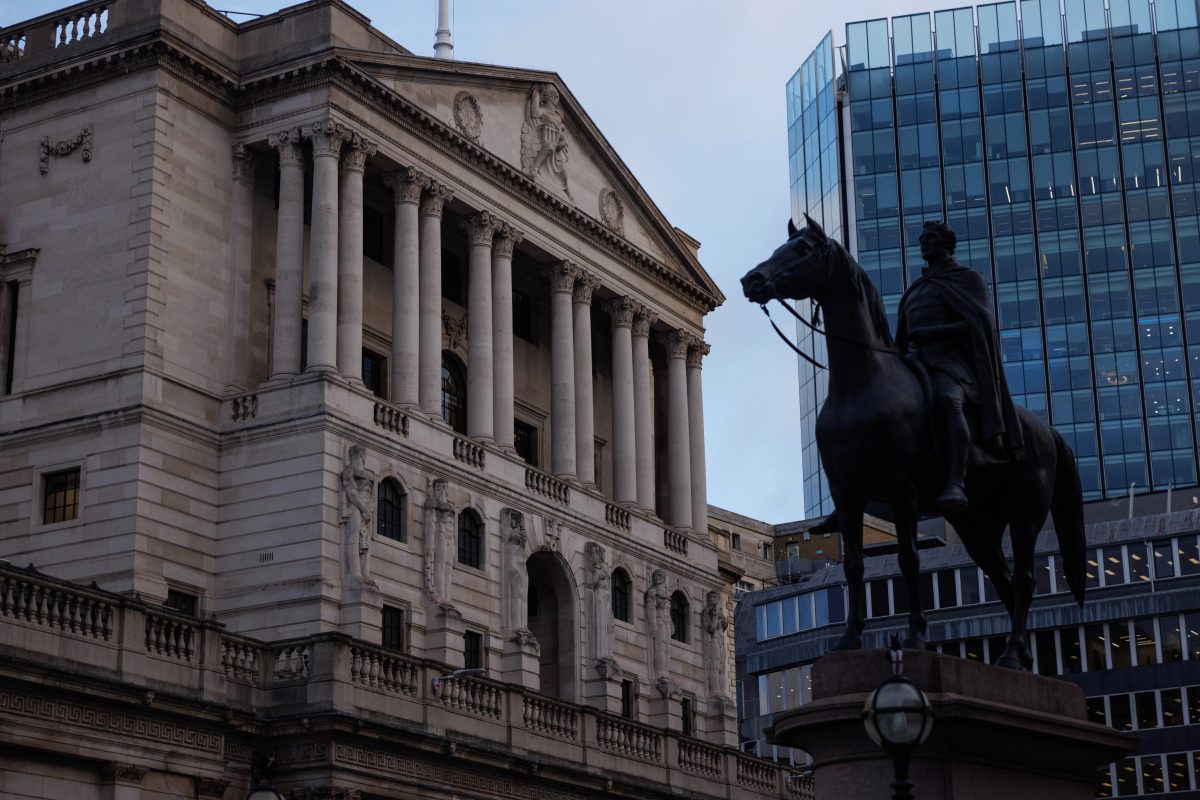
In the rarefied air of central banking, a unanimous vote is a signal of something more than mere agreement. It is a declaration of a singular, urgent purpose. This was the first increase in more than three years, a move that sent shockwaves through the City of London and the high streets of Britain alike. The decision was not just a technical adjustment to the cost of borrowing; it was a stark admission that the economy is facing a second cost-of-living crisis in four years, and that the central bank is preparing for a long battle to tame it.

The timing of the hike was as eyebrow-raising as the unanimity. Official figures released alongside the decision painted a picture of surprising resilience. The economy, after growing at 0.6% in the first half of the year, was forecast to expand by 0.7% between July and September. Unemployment had actually stabilized, falling a little. Yet, despite these metrics suggesting a degree of health, the Bank of England’s Monetary Policy Committee (MPC) decided to tighten the screws. The decision to raise rates to 4% was a big call, driven by a deep-seated anxiety about the future rather than the present data alone.
The core of the Bank’s argument lies in the concept of "pipeline pressure." Governor Andrew Bailey framed the decision not as the start of a long sequence of hikes, but as a necessary response to forces already building in the economy. "There is now enough inflationary pressure in the pipeline caused by the rise in energy prices that an increase in Bank Rate is warranted," Bailey stated. This view suggests that the shock from the Iran war, which has sent oil and gas prices soaring, has not yet fully worked its way through the system. Businesses are absorbing these costs now, but the Bank believes they will inevitably pass them on to consumers, driving up prices and wages in the process.
Average profit margins have plummeted, falling from 13-14% to a thin 10-11%.
This perspective creates a stark contrast with other economic forecasters. The Office for Budget Responsibility (OBR), the government’s independent watchdog, offered a more cautious outlook. The OBR forecasts that the UK economy will grow by just 1% in 2027, with inflation peaking at 3.75%. They argue that weak business conditions mean there is little appetite among employers for high wage settlements, which would otherwise fuel inflation. The Bank, however, is betting on a different scenario: that businesses, facing their own squeezed profit margins, will prioritize passing on costs over retaining staff, leading to a wage-price spiral that the OBR’s model does not fully account for.

The Bank of England raised rates for the first time since 2023 Governor Andrew Bailey says unless the Iran war is resolved, more hikes could follow https://t.co/x88vxxzHmA https://t.co/akYIJk8QlX
The human cost of this policy divergence is already visible on the high street. While the official numbers show resilience, the reality for many businesses is a grim struggle. Average profit margins have plummeted, falling from 13-14% to a thin 10-11%. This erosion of profitability means that companies are less able to absorb the rising costs of energy and labor. They are being squeezed from both sides: the cost of doing business is going up, while the demand from consumers, who are also facing tax rises and high energy bills, is uncertain. This dynamic makes the Bank’s forecast of a 4.9% inflation peak next summer seem not just possible, but likely.
The immediate driver of this inflationary pressure is the energy sector. The Bank’s central forecast sees inflation hitting just under 5% next spring, a figure that is 1.5 percentage points higher than it had previously forecast in July. A key component of this rise is the surge in household energy bills. The Bank predicts that a typical household energy bill will jump by 27% in January, climbing to £2,150 a year. This is a direct hit to the disposable income of millions of families, and it is precisely the kind of shock that can trigger a rapid increase in spending, thereby accelerating inflation.

BREAKING: The Bank of England has raised the base interest rate from 3.75% to 4%. @EdConwaySky reacts to the first rate increase since August 2023 and looks at what could happen next Analysis: https://t.co/gRdfp80Fag 📺 Sky 501, Virgin 602, Freeview 233 https://t.co/QOYkMjBiSM
Even within the hallowed halls of the Bank, there was disagreement on the size of the move. External member Catherine Mann voted for a more aggressive hike, pushing for a 50 basis point increase to 4.25%. Her dissent highlights the uncertainty that surrounds the economy. While the majority of the committee was comfortable with a 25 basis point increase to 4%, Mann’s vote suggests that some policymakers believe the Bank is moving too slowly. Her dissent serves as a reminder that the fight against inflation is not a monolith, and that there are differing views on how aggressive the response needs to be.
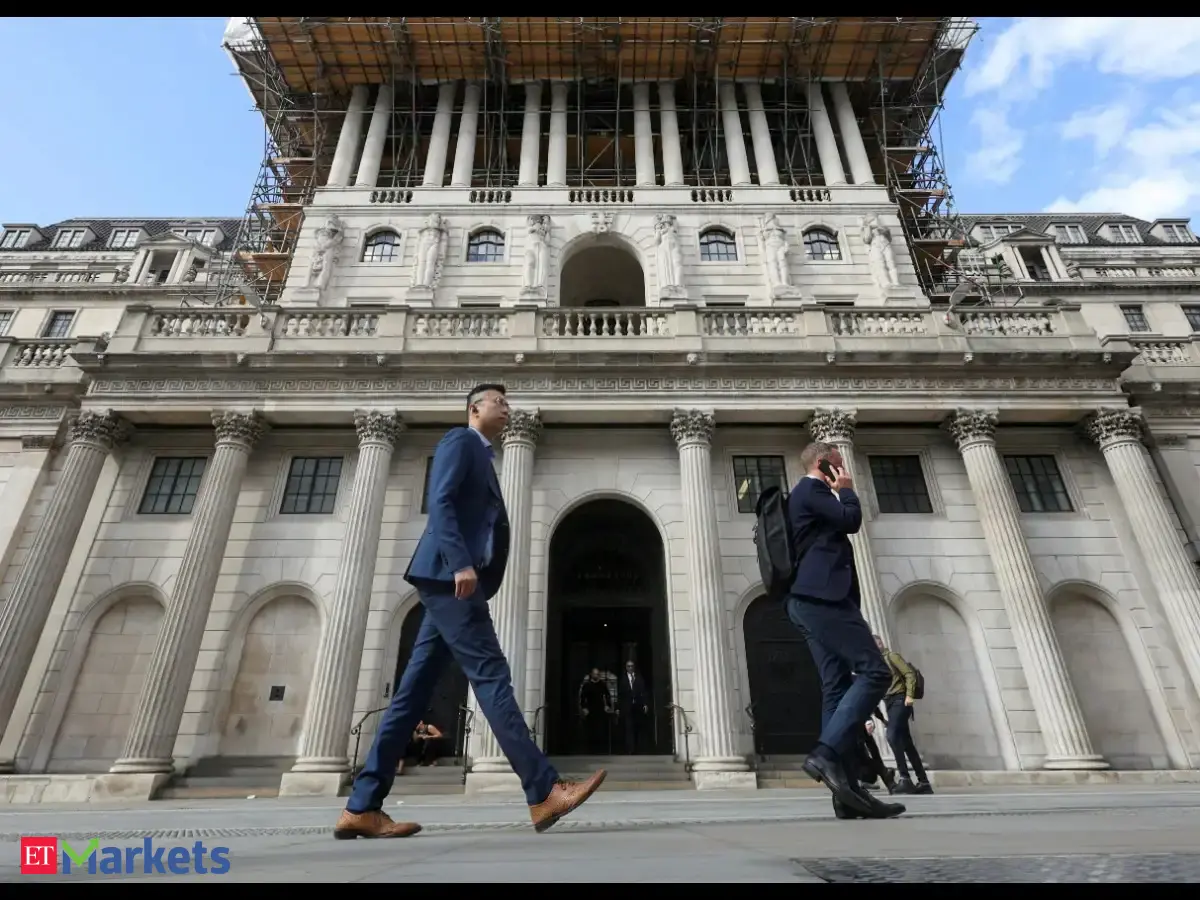
The decision to raise rates unanimously was a signal to the market that the Bank is serious about its mandate. The vote was a surprise to many City analysts, who had expected a split decision. The unanimity sends a message that the Bank is united in its resolve to preserve its credibility. As Governor Bailey put it, "without news which softens the risks to inflationary pressures, I can see the argument for a further increase in rates." The Bank stands ready to act, and the market is bracing for more. The era of cheap money is officially over, and the Bank of England is signaling that it will not hesitate to raise rates again if inflation does not show signs of softening.