
For generations, the papacy has stood apart from the direct fray of national politics. That changed recently when Pope Leo XIV, a 71-year-old American citizen and former bishop in Peru, submitted his mail-in ballot for the US midterm elections. The Vatican confirmed the historic act, marking the first time a pope has participated in a US general election.
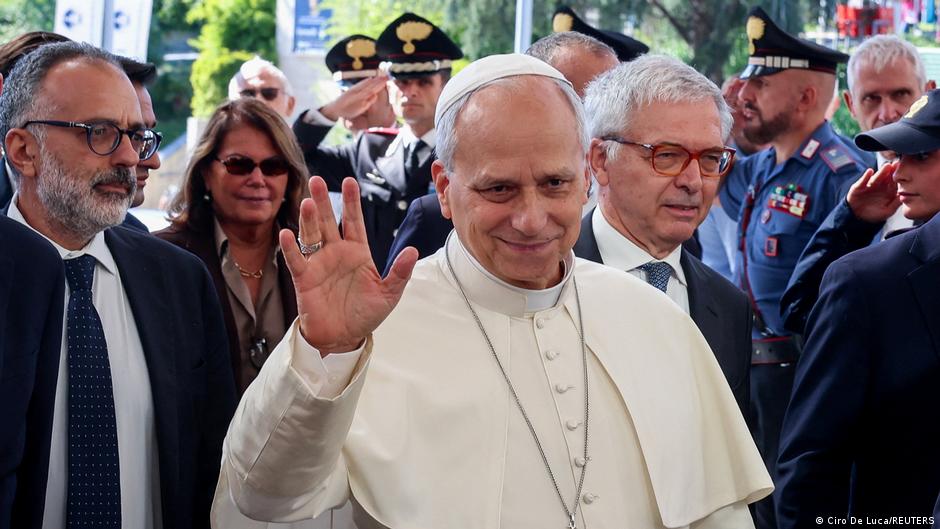
Leo XIV’s status as a U.S. citizen allowed him to submit a mail‑in ballot. While the Vatican has not detailed his specific choices on the ballot, a statement released following the vote affirmed the Pope’s belief in the “right and duty of citizens to participate in democratic processes.” Records indicate he has voted in every general election since 2000, with the exceptions of 2020 and 2022.
The timing of Pope Leo XIV’s vote is particularly noteworthy. The US midterm elections will see all seats in the House of Representatives and about one-third of the Senate contested, with the Republicans seeking to defend narrow majorities against a strong challenge from the Democrats. Historians and American bishops have welcomed the move, interpreting it as a demonstration of democratic values and the Pope’s identification as a global citizen.
It raises questions about the future of Papal neutrality and the Vatican’s role in global political discourse.
However, the response hasn’t been universally positive. The Vatican confirmed the vote and reiterated the Pope’s belief in the right and duty of citizens to participate in democratic processes. The tensions between the Pope and the US government are not new, encompassing disagreements over the war in Iran and immigration policies.

NEW: Pope Leo XIV is set to become the first sitting pontiff in the Catholic Church’s two-thousand-year history to vote in a secular election. Leo requested an Illinois mail ballot on Oct. 3, and it was sent to his brother John’s home in New Lenox, Ill. John Prevost visited the pope at the Vatican on Wednesday and may now be carrying the ballot back to the Will County clerk by hand. https://t.co/EV7qGIcZRt
This isn’t an isolated incident. Pope Francis also cast a vote in the US midterm elections. This parallel action further underscores a potential shift in the Vatican’s approach to civic engagement. While the Vatican’s statement focused on the general principle of citizen participation, the move has been embraced by American bishops, who view it as a positive affirmation of democratic principles.
The implications of a pope actively exercising the right to vote are far‑reaching. It raises questions about the future of Papal neutrality and the Vatican’s role in global political discourse. The Pope, by casting a ballot, has publicly affirmed his connection to the American electorate, a symbolic gesture with potentially significant consequences.

“The Holy Father expresses his belief in the right and the duty of citizens to participate in democratic processes,” the Vatican said. https://t.co/EkrW1PhCeC
This moment isn’t simply about one vote; it’s about a centuries‑old institution reassessing its relationship with the democratic process. The Vatican’s confirmation of Pope Leo XIV’s participation was a statement of principle. The Holy Father’s belief in the “right and duty” of citizens to participate in democratic processes is a message resonating far beyond the borders of the United States.
Supporters, including American bishops, praised the act as an affirmation of democratic values, while critics such as President Donald Trump expressed concern about the Pope’s involvement in domestic politics. President Trump’s criticism highlights the sensitivity surrounding the issue.

Just in from @HolySeePress: “Pope Leo XIV has exercised his right to vote as a United States citizen, whenever he was eligible to do so. The Holy See Press Office confirms that in keeping with this long-standing practice of civic participation, he has submitted his mail-in ballot in Chicago. The Holy Father has also confirmed that, during his years of residence in Peru he exercised his right to vote whenever he was eligible to do so. The Holy Father expresses his belief in the right and the duty of citizens to participate in democratic processes.” The statement follows reports that Leo had requested a postal ballot for the US midterm elections on Nov. 3. This is first known instance of a pope voting in a country’s secular election.
The impact of Pope Leo XIV’s and Pope Francis’ votes remains largely symbolic, though it undoubtedly fueled discussion and debate. The act has opened a new chapter in the relationship between the Catholic Church and the democratic world.