For the merchants of Delhi, the days leading up to Diwali are not merely a calendar event; they are the lifeblood of their annual economy. Across the city, 20 historic markets serve as the commercial engine of the region, supporting a vast network of traders and factory owners. These markets are the heartbeat of Delhi, and as the festival of lights draws near, the pace of commerce typically reaches a fever pitch. However, this year, that rhythm faces an unprecedented challenge. A planned political rally, scheduled for November 1 at the iconic Ramlila Maidan, has set the business community on edge, prompting a desperate appeal to Congress leader Sonia Gandhi.

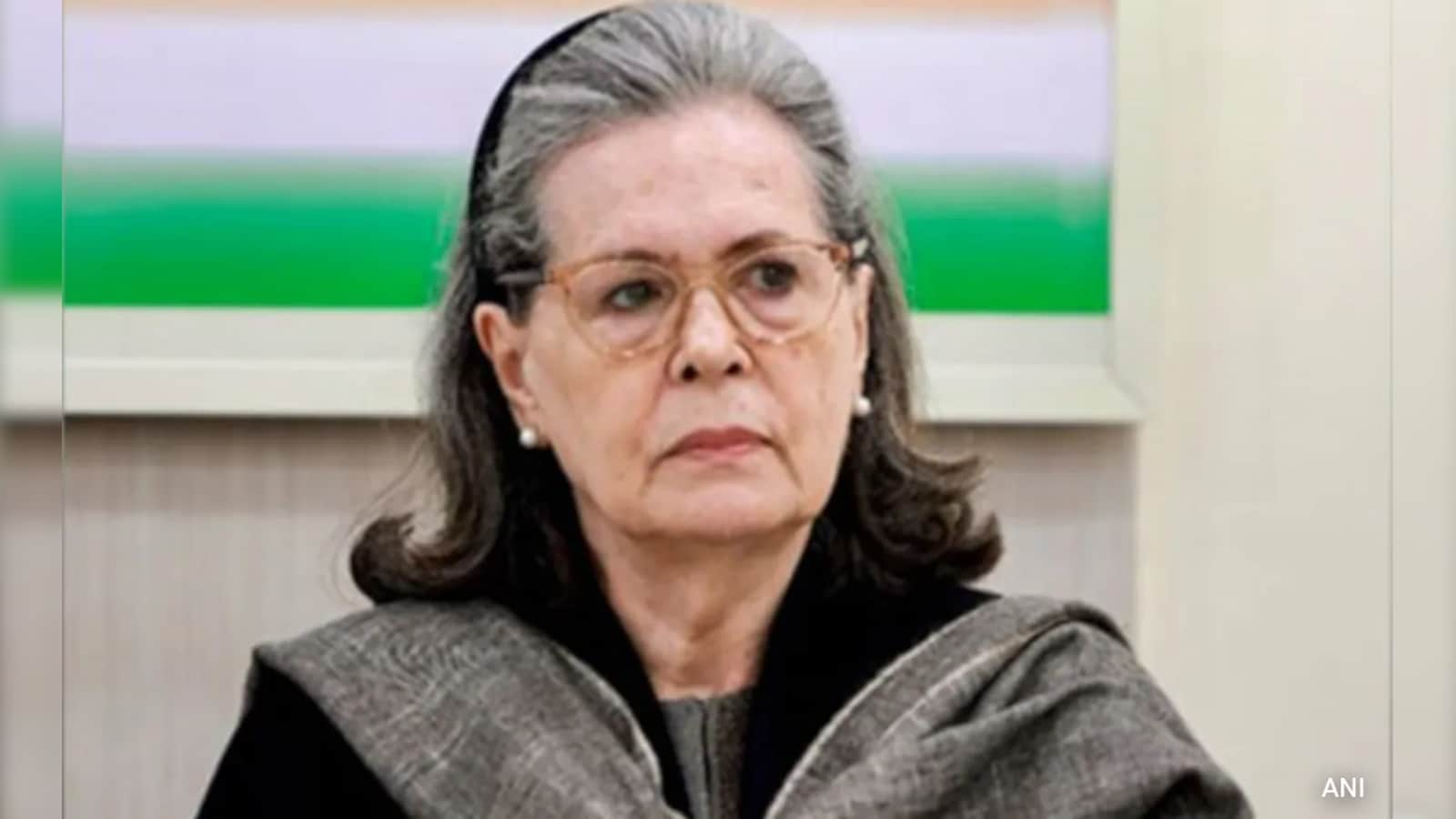
On October 30, the Chamber of Trade and Industry (CTI) took the formal step of writing to the Congress Parliamentary Party chairperson. The tone of the request was one of urgency and conciliation. Brijesh Goyal, representing the CTI, has been clear that the traders are not taking a stance against the political gathering itself. Instead, they are making a heartfelt plea, one that he describes as 'pleading with folded hands' to protect the livelihoods of those who depend on these crucial shopping days. The traders argue that the timing of the rally, falling squarely within the peak Diwali shopping season, creates a conflict between political expression and the basic economic survival of thousands of families.
The concerns raised by the CTI are rooted in the sheer scale of the event. The CTI estimates that the rally could cause a traffic paralysis across 20 historic markets. Brijesh Goyal has posed a pointed question regarding the logistics of the season: 'If a lockdown-like gridlock hits central Delhi, how will the goods for Dhanteras be transported in and out?' The potential impact on trade is significant, with the CTI suggesting that the rally could disrupt daily trade valued between Rs 10,000 and Rs 12,000 crore. The traders fear that the resulting traffic congestion and parking shortages will essentially create a lockdown-like gridlock. The roads leading to the historic markets, already strained by the seasonal surge in shoppers, would become impassable, effectively cutting off the flow of goods at the most critical time of the year.
The CTI estimates that the rally could cause a traffic paralysis across 20 historic markets.
In their correspondence with Sonia Gandhi, the traders have not simply voiced their complaints; they have offered alternatives. The CTI has suggested that the rally be shifted to a later date, ideally after the conclusion of the Diwali festivities, or moved to a different venue, such as the Burari Ground, which might accommodate the crowd without paralyzing the city's commercial core. This proposal is framed as a compromise, intended to allow the political event to take place while ensuring that the city's merchants are not forced to sacrifice their most profitable days of the year. As the November 1 date approaches, the situation remains a delicate balance between the demands of political mobilization and the practical realities of a city that relies on the free movement of goods and people to survive.