For years, the financial support provided to new parents in Germany has remained static while the cost of living surged. This adjustment marks the first increase since the program was introduced in 2007, aiming to restore value that had eroded over nearly two decades.

The core of the change addresses a long-standing gap between the official rates and the actual purchasing power families experience. A study by the Institute of the German Economy highlighted that due to the lack of an inflation adjustment, the allowance lost roughly 38 percent of its value since its inception. To combat this, the coalition agreement between the Union and SPD set out to align the payment structure with current economic conditions, ensuring that young families do not feel financially penalized by rising prices.
The specific figures involved in the reform are precise and represent a modest but necessary shift. The minimum rate will rise from 300 euros to 330 euros per month. Similarly, the maximum rate increases from 1800 euros to 1900 euros. These adjustments are designed to keep the benefit competitive without overhauling the entire system overnight. The goal is to ensure the allowance remains attractive for those navigating the complexities of modern parenthood.
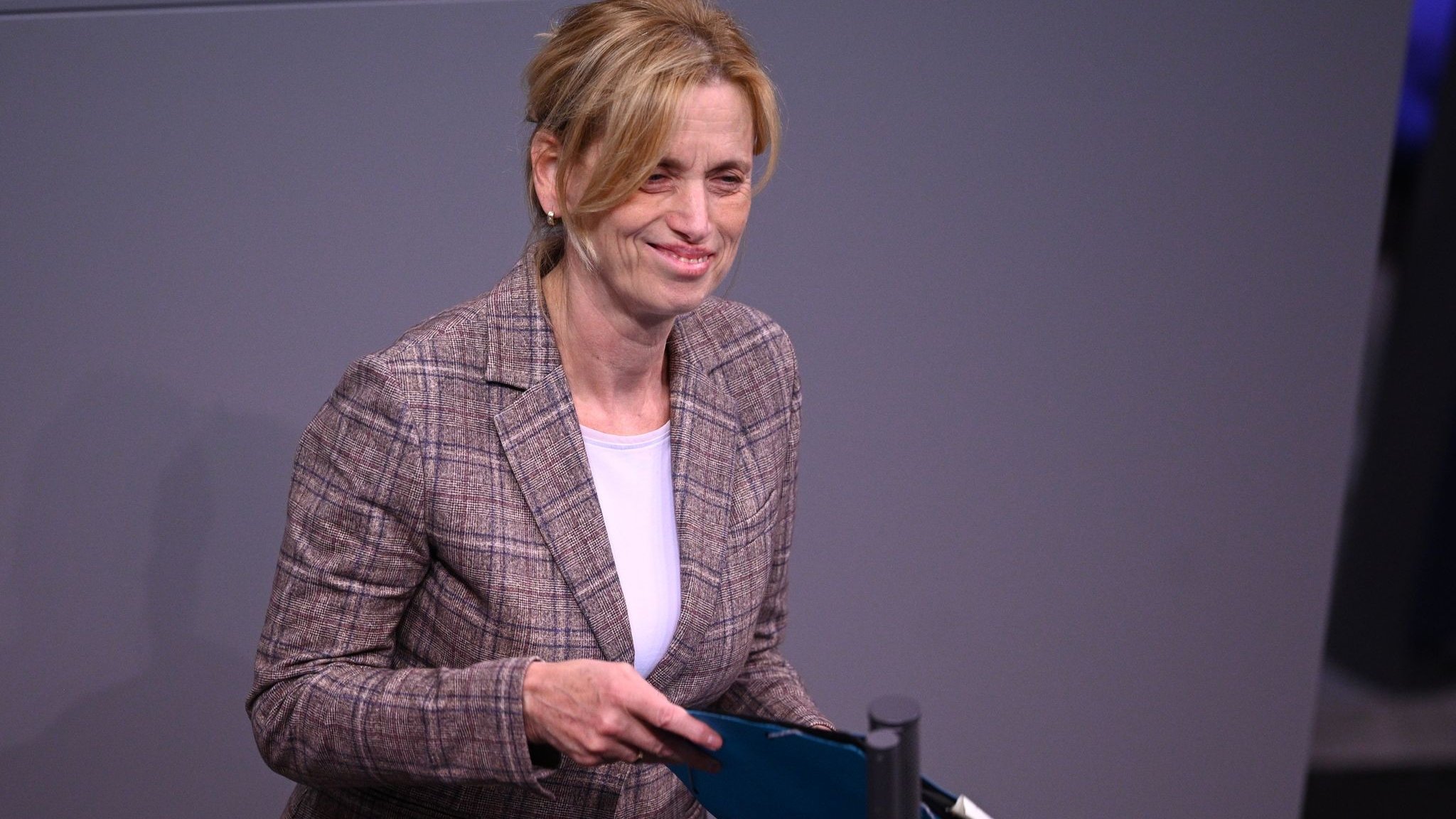
Karin Prien, representing the CDU party, emphasized the political intent behind these changes during the discussions.
Beyond the monetary values, the distribution rules remain largely consistent, though they offer flexibility intended to encourage shared responsibility. The base allowance period stays fixed at 14 months. Under the new plan, if both parents take at least four months each, the remaining six months can be divided flexibly between them. This structure is intended to promote paternal involvement while respecting the traditional framework established in previous years.
Karin Prien, representing the CDU party, emphasized the political intent behind these changes during the discussions. She noted that the government had reached an understanding to develop the allowance structurally. "Wir haben uns darauf verständigt, das Elterngeld strukturell weiterzuentwickeln und es besser an die heutige Lebensrealität junger Familien anzupassen," she stated. Her comments reflect a broader consensus within the Union and SPD regarding the need to support families directly rather than leaving them to manage inflation alone.
The reform package includes further innovations beyond the rate hikes, moving toward internal government coordination before finalizing the legislative draft.
Ultimately, the decision reflects a recognition that family policy must evolve alongside the economy. The 300 euro minimum and 1800 euro maximum were once sufficient benchmarks, but inflation has rendered them less meaningful. With the new rates of 330 and 1900 euros, the system attempts to reclaim some of that lost ground. It remains a foundational element of the social contract, now updated to meet the demands of a changing demographic landscape.