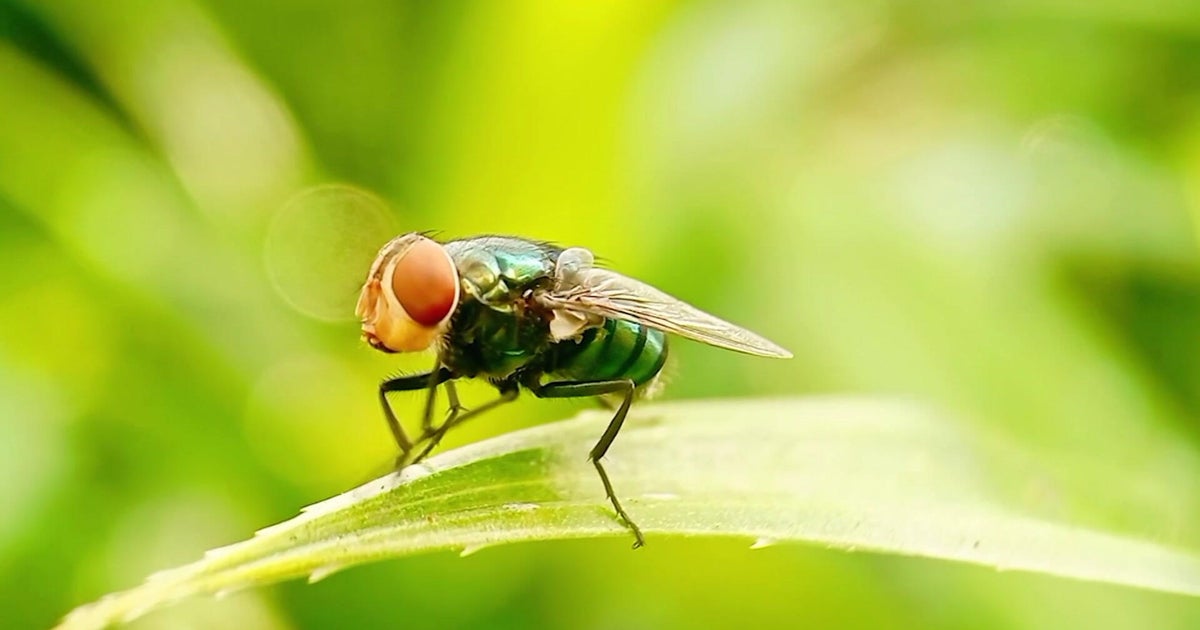
In the vast expanse of Pecos County, Texas, a routine inspection turned into a startling revelation. Wildlife officials, conducting their regular surveillance, stumbled upon an elk with an unusual affliction. The animal was host to the New World screwworm, a parasitic fly known for its flesh-eating larvae. This discovery, confirmed by the U.S. Department of Agriculture (USDA) on October 21, 2026, marked the first time the parasite had been detected in U.S. wildlife, sending ripples of concern through the agricultural and conservation communities.

The New World screwworm, scientifically known as Cochliomyia hominivorax, is not a newcomer to the region. Historically, it has been a scourge in Central America and Mexico, where it has inflicted significant damage on livestock. The parasite lays its eggs in open wounds of mammals, and once hatched, the larvae feed on the host's living tissue, causing painful and often fatal infestations. The USDA's announcement came on the heels of a previous detection earlier that year, when a three-week-old Texas calf was found to be infected, prompting heightened vigilance across the state.
The screwworm's reappearance in the U.S. is part of a broader resurgence that has been observed in recent years. This resurgence has had tangible economic impacts, including a temporary ban on Mexican cattle imports, which has contributed to record-high beef prices for American consumers. The ban, implemented in response to the resurgence, was a preemptive measure to prevent the parasite from establishing a foothold in U.S. livestock populations. However, the discovery in Pecos County suggests that the screwworm has already begun to affect wildlife, raising fears that it could spread further.
Teams are scouring the region, inspecting wildlife and livestock for signs of infestation.
The USDA has been quick to reassure the public that the New World screwworm does not pose a direct threat to food safety. However, its impact on meat production is a significant concern. Infected animals often suffer from reduced productivity and, in severe cases, death. This not only affects the livelihoods of farmers and ranchers but also has broader implications for the agricultural economy.

BREAKING: The US Department of Agriculture said it has confirmed the first detection of the flesh-eating parasite, the New World screwworm, in US wildlife in Texas.
In response to the discovery, the USDA and the Texas Parks and Wildlife Department have ramped up surveillance efforts. Teams are scouring the region, inspecting wildlife and livestock for signs of infestation. Alan Cain, a spokesperson for the Texas Parks and Wildlife Department, emphasized the importance of public participation in these efforts. "We encourage all hunters and landowners to be vigilant for signs of New World screwworm while they are out in the field this season," Cain said. His words underscore the critical role that citizens play in early detection and containment.
Signs of screwworm infestation include open wounds that emit a foul odor, the presence of larvae, and unusual behavior in animals, such as lethargy or difficulty moving. Anyone who suspects an infestation is urged to report it immediately to local wildlife authorities. This collective effort is essential to prevent the parasite from becoming entrenched in U.S. ecosystems.
The detection of the New World screwworm in U.S. wildlife is more than just a local issue; it is a reminder of the interconnectedness of global ecosystems. The parasite's resurgence in Central America and Mexico, likely driven by factors such as climate change and changes in land use, has now reached the U.S., highlighting the need for international cooperation in pest management.

For Texas, the stakes are particularly high. The state's robust livestock industry, a cornerstone of its economy, is now under threat. The discovery in Pecos County serves as a wake-up call, prompting a reevaluation of biosecurity measures and a renewed focus on early detection and response. As the USDA and state agencies work to contain the spread, the coming months will be critical in determining the extent of the infestation and the effectiveness of control measures.

BREAKING: The US Department of Agriculture said it has confirmed the first detection of the flesh-eating parasite, the New World screwworm, in US wildlife in Texas.
As of now, the situation remains fluid. The USDA's confirmation of the first case in wildlife has galvanized efforts to monitor and control the parasite, but the challenge is far from over. The New World screwworm's presence in Texas is a stark reminder of the ongoing battle against invasive species and the need for constant vigilance in protecting our natural and agricultural resources.