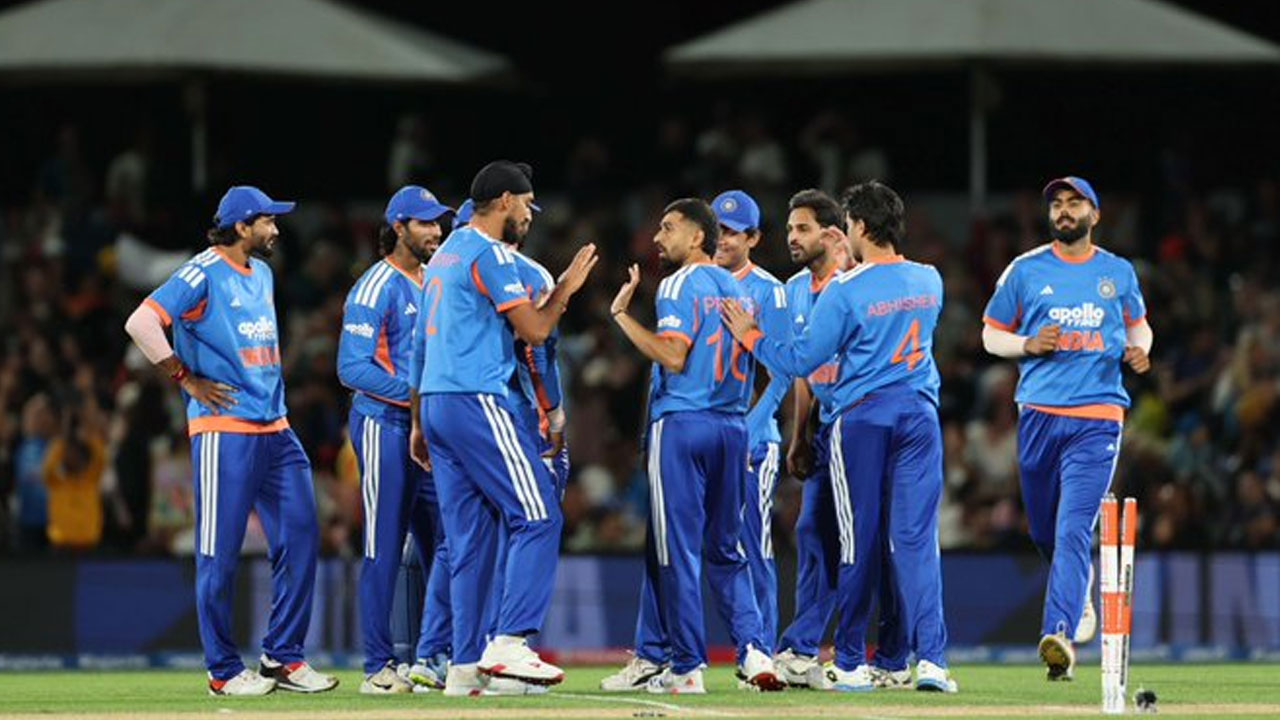
For anyone stepping onto the cricketing stage for the first time, the drama of a T20 match can feel like a rapid-fire story told in bursts of runs, wickets, and fleeting brilliance. In the second T20 of the India-New Zealand series, the match offered exactly that: a challenging target for India and a truncated reply from the hosts that would become the headline of the day.

When the Indian side took to the field, they faced a match that would test their bowling capabilities. The T20 format, known for its fast pace and strategic depth, requires teams to adapt quickly to changing conditions. The Christchurch pitch offered its own unique challenges, with both teams needing to adjust their game plans accordingly.

26 BALL UNBEATEN 51 BY TILAK VARMA SEALS THE GAME FOR INDIA. 🇮🇳 - A 2-0 lead in New Zealand for Shreyas Iyer and his boys! https://t.co/1jqibkuglY
When New Zealand's batsmen took the crease, the narrative shifted dramatically. The home side struggled to find footing against disciplined Indian bowling, and within the first few overs, three wickets fell. By the ten-over mark, New Zealand's total stood at a modest 66 runs for the loss of three wickets. The early dismissals of key players, coupled with the inability to build partnerships, meant the innings never recovered momentum.
The performance highlighted the importance of early breakthroughs in the T20 format.
India's bowling effort proved effective, with their bowlers taking three crucial wickets. The disciplined approach put pressure on New Zealand's batsmen from the start, making it difficult for them to establish any rhythm. The performance highlighted the importance of early breakthroughs in the T20 format.

India beat New Zealand by 4 wickets to lead the T20 cricket series 2-0. #Cricket #NZvIND India's Tilak Varma made 51 runs off 26 balls. One more win and the series is India's. https://t.co/Iff5570JKm
Several players contributed to the match's outcome. Finn Allen, known for his aggressive batting approach, found the going tough against the Indian attack. Meanwhile, Michael Savage, another key player in the New Zealand lineup, was among those dismissed early in the innings.
With the match being part of an ongoing series between the two teams, the result added an interesting dimension to the competition. The T20 format, with its emphasis on quick scoring and strategic bowling, often produces matches where fortunes can change rapidly.

🚨 Tilak Verma in death overs in T20 for team India 🚨 Runs - 470 || Balls - 203 || SR - 231.52 || 4s - 32 || 6s - 37 231.51 SR in death Overs 🤯🔥 He is better than injured Hardik Pandya finisher. https://t.co/0B8drNDyYv
As the series progresses, the early results set a tone for both camps. India's ability to extract wickets suggests a well-rounded bowling attack capable of adapting to conditions. New Zealand, on the other hand, will need to regroup, address early wicket losses, and find ways to sustain longer innings if they hope to level the series. The Christchurch encounter, with its clear statistical divide, offers a microcosm of the challenges and thrills that define modern T20 cricket.
