In the early days of October 2026, the flow of migrants into Greece began to wane. According to reports, the number of arrivals had declined significantly, a shift that seemed to offer a momentary respite from the ongoing humanitarian crisis. However, the calm was short-lived, as two deadly incidents would soon rock the region, bringing back the harsh realities of the migrant crisis to the forefront.
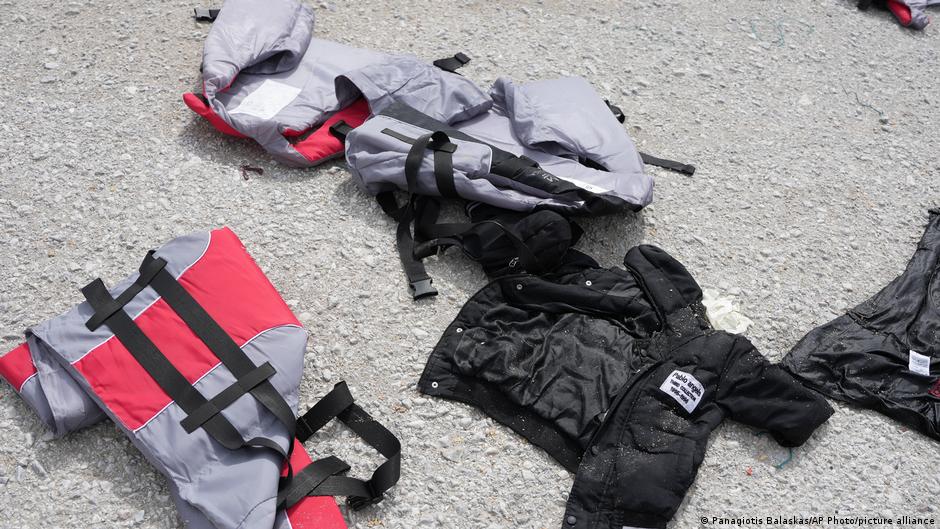
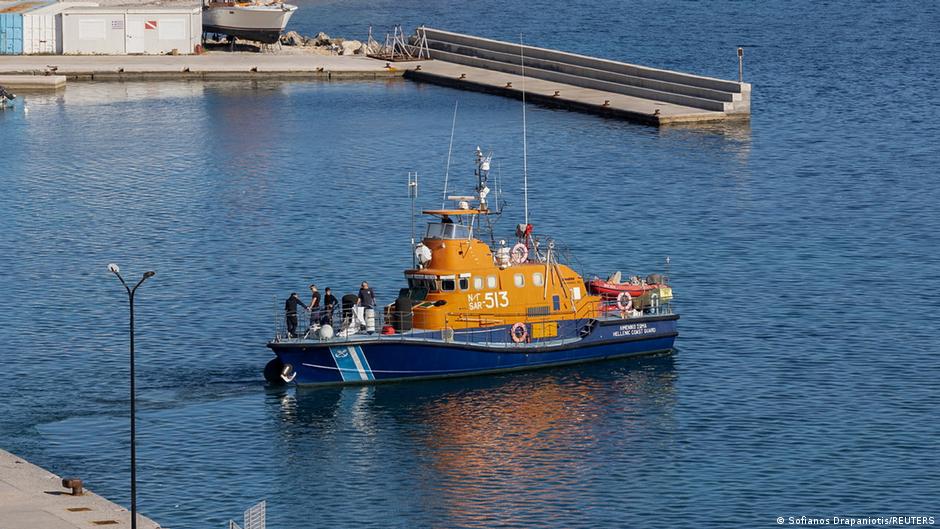
On the evening of October 19, 2026, a speedboat carrying migrants capsized just 3.7 nautical miles north of Samos island. The Greek Coast Guard, which had been monitoring the area, quickly launched a search and rescue operation. Tragically, six migrants lost their lives in the accident, and fourteen were rescued. The incident came as a shock, especially considering the recent decline in arrivals, and raised immediate questions about the safety of the sea routes.
Just hours later, a second shipwreck occurred off the coast of Lesvos, another Greek island. This time, the tragedy was even more devastating. Six migrants, including an infant, lost their lives in the incident. The Greek Coast Guard initiated a comprehensive search and rescue operation, but the loss of life was a stark reminder of the dangers faced by those attempting to cross the Aegean Sea.
The Greek government, led by the Minister of Shipping and Island Policy, Vassilias Kikilias, took a firm stance, declaring a zero-tolerance policy towards smugglers.
The Greek Coast Guard, in its reports, blamed smugglers for the incidents, citing reckless maneuvers at high speeds as the cause of the capsizings. The incidents underscored the ongoing struggle to balance the safety of migrants with the need to combat human trafficking. The Greek government, led by the Minister of Shipping and Island Policy, Vassilias Kikilias, took a firm stance, declaring a zero-tolerance policy towards smugglers. Vassilias Kikilias blamed migrant traffickers for the deaths.
In a statement, Vassilis Kikilias, the Greek Minister of Shipping and Island Policy, expressed his government's commitment to addressing the issue. 'Our position is non-negotiable: Zero tolerance for smugglers,' he declared.
Despite the recent decline in arrivals, the incidents off Samos and Lesvos serve as a grim reminder of the ongoing crisis. Greece remains a key entry point for migrants into Europe, and the dangers of the sea routes continue to claim lives. The tragic events have sparked renewed calls for stricter enforcement and more humane policies to address the root causes of migration.
As the search for the missing migrants continues, the international community remains closely watching the situation. The U.S. Coast Guard is listed among the key entities in the reports. However, the incidents highlight the complex and multifaceted nature of the migrant crisis, with no easy solutions in sight. The search for a balance between safety and human rights remains a pressing challenge for policymakers and humanitarian organizations alike.